
إيران تحت الضغط.. حصار أمريكي وانهيار اقتصادي ينذران بانفجار داخلي – أخبار السعودية
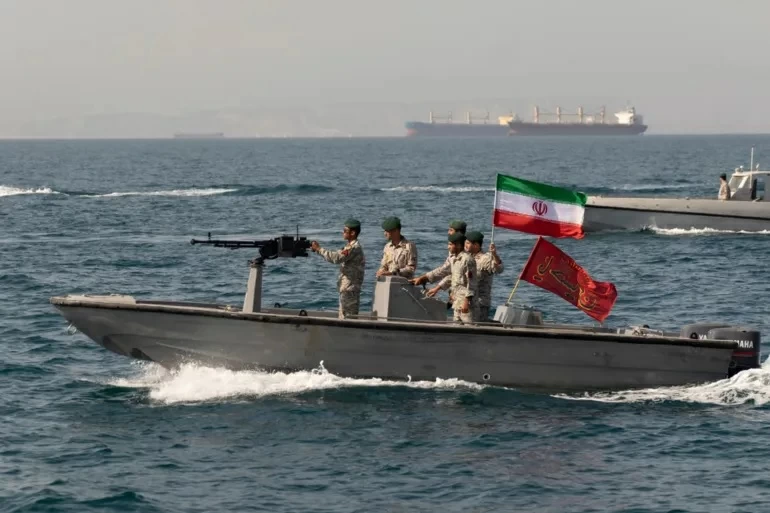
أكدت صحيفة «وول ستريت جورنال» أن الحصار البحري الشامل الذي تفرضه الولايات المتحدة على الموانئ الإيرانية، وضع طهران أمام تحد غير مسبوق منذ عقود.
رد أمريكي حاسم
ورأت أن إيران استطاعت خلال سنوات طويلة التكيف مع العقوبات عبر الالتفاف عليها، ببيع النفط للصين عبر شبكة من السفن «الخفية»، ولكن الحصار البحري جاء الآن ليقوض هذا الأسلوب بشكل كبير ويحد من قدرة طهران على تصدير النفط الذي يعد شريانها الاقتصادي الرئيسي.
ولفتت في تقرير، اليوم (السبت)، إلى أن إيران سعت لفرض نفوذها في مضيق هرمز عبر مهاجمة السفن وتعطيل حركة الملاحة، ما تسبب في هزة كبيرة في أسواق الطاقة العالمية، واعتبرت أن هذه الخطوة منحت طهران ورقة ضغط مؤثرة وأثارت قلق الأسواق، لكنها لم تترجم إلى سيطرة فعلية على مجريات الصراع، إذ جاء الرد الأمريكي حاسماً بفرض حصار بحري واسع، استهدف جميع الصادرات الإيرانية، وأدى عملياً إلى شل حركة ناقلات النفط ومنعها من الوصول إلى الأسواق، حتى مع محاولاتها الفرار نحو المحيط الهندي.
انقسام سياسي في إيران
وكشف هذا التطور عن انقسام سياسي واضح بين تيارين رئيسيين، تيار معتدل بقيادة الرئيس مسعود بزشكيان، يميل إلى احتواء الأزمة عبر التفاوض مع الولايات المتحدة، انطلاقاً من قناعة بأن استمرار الحرب سيؤدي إلى مزيد من التدهور الاقتصادي وربما انفجار داخلي، خاصة مع تزايد الضغوط المعيشية على المواطنين.
وتيار متشدد، يرى أن الحصار يمثل عملاً حربياً مباشراً يستدعي رداً عسكرياً قوياً، بل ويدعو إلى تصعيد العمليات لرفع أسعار النفط وزيادة الضغط على واشنطن.
وضع اقتصادي حرج
وأكدت الصحيفة أن إيران تبدو في وضع حرج للغاية اقتصادياً، لأن الحصار حدّ بشكل كبير من قدرتها على تصدير النفط، في حين أن البدائل المطروحة، مثل النقل البري أو عبر السكك، لا تغطي سوى جزء محدود من تجارتها الخارجية. الأمر الذي انعكس في ارتفاع معدلات البطالة، وتضخم أسعار الغذاء، وتدهور قيمة العملة المحلية بشكل حاد، إلى جانب تأثيرات سلبية لانقطاع الإنترنت على الأنشطة الاقتصادية، وهي مؤشرات تضع الاقتصاد الإيراني على حافة أزمة أعمق قد تصل إلى حد الانهيار إذا استمر الوضع على ما هو عليه.
جمود بانتظار التنازلات
ورأت «وول ستريت» أن الولايات المتحدة تراهن على أن الضغوط الاقتصادية المتزايدة ستجبر إيران في النهاية على تقديم تنازلات، خاصة فيما يتعلق ببرنامجها النووي، في حين تراهن طهران على أن استمرار الحصار سيؤدي إلى اضطراب الأسواق العالمية وارتفاع أسعار الطاقة، ما سيدفع واشنطن إلى التراجع لتخفيف الأعباء الداخلية، خصوصاً على المستهلك الأمريكي.
وعلى المستوى العسكري، تهدد طهران بخيارات تصعيدية جديدة، منها استخدام أسلحة غير تقليدية أو استهداف بنية تحتية حساسة مثل كابلات الاتصالات البحرية، في محاولة لخلق ضغط عالمي أوسع، ومع ذلك طرحت مبادرات عبر وسطاء إقليميين لوقف التصعيد مقابل إنهاء الحرب ورفع الحصار، إلا أن هذه المبادرات لم تلقَ قبولاً حتى الآن.
إلا أن المشهد الحالي يعكس حالة من الجمود المتوتر، حيث لا يبدو أن أياً من الطرفين مستعد للتراجع في المدى القريب، في حين تتزايد كلفة الصراع على إيران بشكل خاص.
وبينما يتواصل الحصار في تضييق الخناق الاقتصادي، فإن احتمال التصعيد العسكري قائم، ما يجعل المنطقة أمام مفترق طرق، فإما تسوية صعبة عبر التفاوض أو انزلاق نحو مواجهة أوسع.
The Wall Street Journal confirmed that the comprehensive naval blockade imposed by the United States on Iranian ports has placed Tehran in an unprecedented challenge for decades.
A Decisive American Response
It noted that Iran has managed over many years to adapt to sanctions by circumventing them, selling oil to China through a network of “covert” ships, but the naval blockade has now significantly undermined this method and limited Tehran’s ability to export oil, which is its main economic lifeline.
In a report today (Saturday), it pointed out that Iran has sought to assert its influence in the Strait of Hormuz by attacking ships and disrupting navigation, which has caused a major shock in global energy markets. It considered that this step has given Tehran an influential leverage and raised concerns in the markets, but it has not translated into actual control over the course of the conflict, as the American response has been decisive by imposing a wide naval blockade targeting all Iranian exports, effectively paralyzing oil tanker movements and preventing them from reaching markets, even with their attempts to flee towards the Indian Ocean.
Political Division in Iran
This development has revealed a clear political division between two main currents: a moderate current led by President Masoud Bezhakian, which leans towards containing the crisis through negotiations with the United States, based on the conviction that the continuation of the war will lead to further economic deterioration and possibly internal explosion, especially with increasing living pressures on citizens.
And a hardline current, which sees the blockade as a direct act of war that requires a strong military response, even calling for escalating operations to raise oil prices and increase pressure on Washington.
A Critical Economic Situation
The newspaper confirmed that Iran appears to be in an extremely critical economic situation, as the blockade has significantly limited its ability to export oil, while the proposed alternatives, such as land or rail transport, cover only a limited part of its foreign trade. This has reflected in rising unemployment rates, inflation in food prices, and a sharp decline in the value of the local currency, along with negative impacts from internet outages on economic activities, which are indicators placing the Iranian economy on the brink of a deeper crisis that could reach the point of collapse if the situation remains as it is.
Stalemate Awaiting Concessions
The Wall Street Journal viewed that the United States is betting that increasing economic pressures will eventually force Iran to make concessions, especially regarding its nuclear program, while Tehran is betting that the continuation of the blockade will lead to disruptions in global markets and rising energy prices, which will push Washington to retreat to ease internal burdens, especially on the American consumer.
On the military level, Tehran threatens with new escalation options, including the use of unconventional weapons or targeting sensitive infrastructure such as undersea communication cables, in an attempt to create broader global pressure. Nevertheless, it has proposed initiatives through regional mediators to stop the escalation in exchange for ending the war and lifting the blockade, but these initiatives have not received acceptance so far.
However, the current scene reflects a state of tense stalemate, where neither side seems ready to back down in the near term, while the cost of the conflict is increasingly rising for Iran in particular.
As the blockade continues to tighten the economic noose, the possibility of military escalation remains, placing the region at a crossroads, either a difficult settlement through negotiation or a slide towards a broader confrontation.
للمزيد من المقالات
اضغط هنا