
زلزال في وادي السيليكون.. كيف أطاحت النماذج الصينية بعمالقة الذكاء الاصطناعي؟ – أخبار السعودية
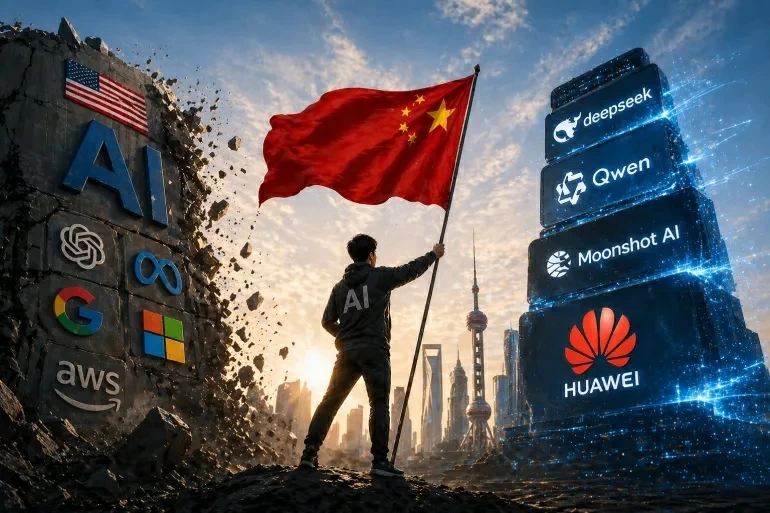
لم يعد سباق الذكاء الاصطناعي مجرد منافسة تقنية هادئة بين جدران «وادي السيليكون»، بل تحول إلى مواجهة عالمية شرسة تهز أركان الصناعة. وبينما كانت الشركات الأمريكية تظن أن قبضتها على «الشرائح المتقدمة» ومراكز البيانات هي حصنها المنيع، جاء الرد الصيني صادماً ومباغتاً، ليفرض قواعد جديدة للعبة.
في قلب هذه المعركة، برزت نماذج مثل «ديب سيك» (DeepSeek)، التي قلبت الطاولة بفلسفة «الذكاء المضغوط». فبدلاً من استهلاك طاقة هائلة وبنية تحتية ضخمة (كما تفعل النماذج الأمريكية)، نجح المهندسون الصينيون في ابتكار شبكات فرعية ذكية، تجعل النماذج أسرع وأكثر كفاءة، وبأقل استهلاك للطاقة.
معركة التكلفة: الصين تكتسح الأسواق الناشئة
لم تكن الصدمة الحقيقية تقنية فقط، بل اقتصادية بامتياز. في حين تتقاضى الشركات الأمريكية مبالغ طائلة، تقدم النماذج الصينية خدمات مشابهة بجزء بسيط جداً من التكلفة. وهذا «الفارق السعري» جعل الشركات الصينية تتغلغل بسرعة في أفريقيا والأسواق الناشئة، مما خلق حالة من القلق داخل أروقة «أمازون، وقوقل، وميتا».
ورغم العقوبات الصارمة التي فرضتها واشنطن على تصدير الشرائح المتقدمة إلى الصين، جاءت النتائج عكسية، إذ حفزت هذه العقوبات بكين على تطوير بدائل محلية (مثل شرائح هواوي)، مما وضع شركات وادي السيليكون أمام معادلة لا تحسد عليها: هل يستمرون في التفوق التقني الباهظ، أم يرضخون لضغوط السوق التي تطلب «كفاءة الصين» بأسعارها الزهيدة؟
وتتجاوز المواجهة اليوم «كود البرمجة»، إنها صراع جيوسياسي واقتصادي. ففي المستقبل القريب، لن يهم فقط من يملك «القوة الحوسبية» الأكبر، بل من يقدم الحل الأذكى والأوفر. وبينما يشتد الصراع، يظل السؤال الأكبر معلقاً: هل نشهد نهاية احتكار وادي السيليكون للذكاء الاصطناعي، أم أن النماذج الأمريكية ستجد طريقها لاستعادة السيطرة؟
The race for artificial intelligence is no longer just a quiet technological competition behind the walls of Silicon Valley; it has turned into a fierce global confrontation that shakes the foundations of the industry. While American companies believed that their grip on “advanced chips” and data centers was their impenetrable fortress, the Chinese response was shocking and unexpected, imposing new rules of the game.
At the heart of this battle, models like “DeepSeek” have emerged, turning the tables with the philosophy of “compressed intelligence.” Instead of consuming vast amounts of energy and requiring massive infrastructure (as American models do), Chinese engineers have succeeded in creating smart subnetworks that make the models faster and more efficient, with lower energy consumption.
The Cost Battle: China Sweeps Emerging Markets
The real shock was not only technological but also economic in nature. While American companies charge exorbitant fees, Chinese models offer similar services at a fraction of the cost. This “price difference” has allowed Chinese companies to quickly penetrate Africa and emerging markets, creating a state of concern within the halls of Amazon, Google, and Meta.
Despite the strict sanctions imposed by Washington on the export of advanced chips to China, the results have been counterproductive, as these sanctions have motivated Beijing to develop local alternatives (such as Huawei chips), putting Silicon Valley companies in a difficult equation: should they continue with their expensive technological superiority, or yield to market pressures that demand “China’s efficiency” at its low prices?
The confrontation today goes beyond “programming code”; it is a geopolitical and economic struggle. In the near future, it will not only matter who has the largest “computational power,” but also who offers the smartest and most cost-effective solution. As the conflict intensifies, the bigger question remains: are we witnessing the end of Silicon Valley’s monopoly on artificial intelligence, or will American models find their way to regain control?
للمزيد من المقالات
اضغط هنا