
أفريقيا على حافة أزمة غذائية بسبب حرب إيران.. والأسعار تشتعل – أخبار السعودية
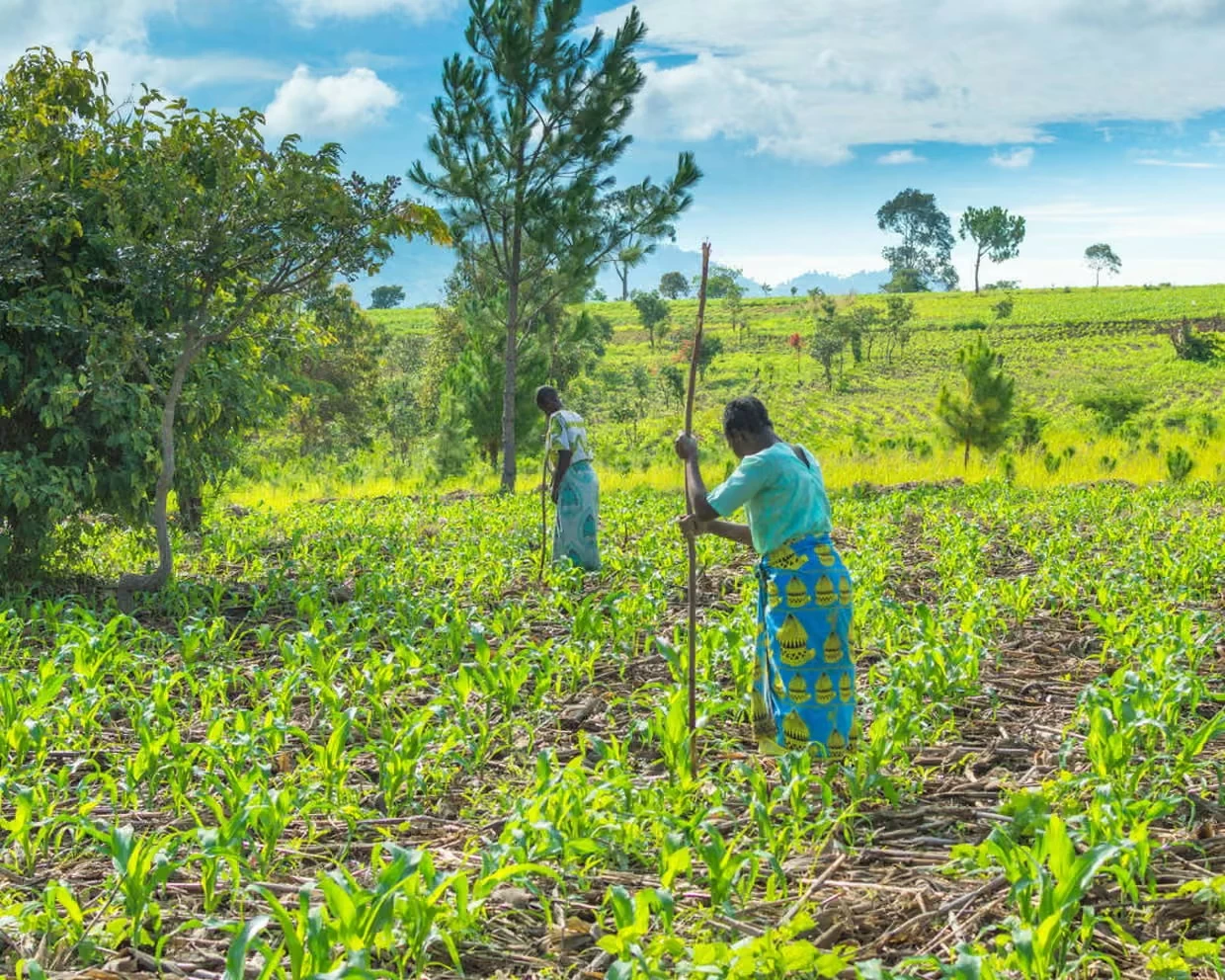
حذّر رئيس أكبر شركة للأسمدة في العالم، من أن الحرب الإيرانية قد يكون لها «عواقب وخيمة»، مما يتسبب في نقص الغذاء وارتفاع الأسعار في بعض أفقر المجتمعات وأكثرها ضعفاً في أفريقيا.
وقال الرئيس التنفيذي لشركة يارا الدولية سفين توري هولسيثر، إن الحرب الدائرة في إيران قد تؤدي إلى تداعيات دراماتيكية على الأمن الغذائي العالمي، خصوصا في أفريقيا، مع احتمالات بحدوث نقص حاد في الغذاء وارتفاع كبير في الأسعار داخل الدول الأكثر فقرًا وهشاشة.
وأوضح هولسيثر أن العالم قد يواجه ما يشبه مزادًا عالميًا على الأسمدة، حيث تتنافس الدول على الإمدادات المحدودة، ما يؤدي إلى ارتفاع الأسعار بشكل يجعلها خارج متناول الدول الفقيرة، لا سيما في القارة الأفريقية.
وقال: «أهم ما يمكن فعله الآن هو التحذير من خطر حقيقي يتمثل في أن تصبح الأسمدة سلعة نادرة تُباع لمن يستطيع الدفع أكثر، وهو ما سيترك الدول الأكثر ضعفًا عاجزة عن تأمين احتياجاتها».
ورغم أن أفريقيا تمتلك إمكانات كبيرة لتكون منتجًا رئيسيًا للغذاء، ليس فقط لتحقيق الاكتفاء الذاتي بل أيضًا للتصدير، فإن الواقع يشير إلى أنها لا تزال تعتمد بشكل كبير على الاستيراد، ما يجعلها أكثر عرضة للصدمات العالمية.
وأشار هولسيثر إلى أن الأزمة قد لا تؤدي إلى مجاعات في أوروبا، لكنها ستؤثر بشكل مباشر على الدول التي تُحرم من الغذاء نتيجة هذه المنافسة غير المتكافئة، محذرًا من أن الأكثر ضعفًا سيدفعون الثمن الأكبر مرة أخرى.
من جانبها، أكدت شركة إس آند بي غلوبال، أن تداعيات الحرب بدأت بالفعل في التسلل إلى سلاسل الإمداد العالمية، وقال كريس روجرز، رئيس أبحاث سلاسل التوريد، إن قطاع الغذاء يواجه تحديات مباشرة وغير مباشرة نتيجة القيود على الوقود والأسمدة.
وأضاف أن بعض الدول الأفريقية، مثل إثيوبيا وكينيا، تعتمد بشكل كبير على واردات الأسمدة النيتروجينية من الشرق الأوسط، ما يجعلها أكثر عرضة للتأثر بالأزمة.
وتشير التقديرات إلى أن نحو 35% من الإمدادات العالمية من اليوريا، وهي عنصر أساسي في صناعة الأسمدة، تأتي من دول الخليج، وقد ارتفعت أسعارها بنسبة تتراوح بين 60% و70% منذ اندلاع الحرب في أواخر فبراير الماضي.
كما تأثرت إمدادات الأمونيا، وهي مادة خام أساسية في إنتاج الأسمدة، بشكل كبير بسبب الحرب، حيث أوقفت بعض الدول الإنتاج نظرًا لخطورة تخزينها في ظروف النزاع.
وحذّر هولسيثر من أن استمرار تعطل الإنتاج قد يؤدي إلى نقص طويل الأمد، مؤكدًا أن استئناف العمليات قد يستغرق أسابيع أو حتى أشهر.
وتأتي هذه الأزمة في توقيت حساس، حيث تستعد دول أفريقيا جنوب الصحراء لموسم الزراعة، ما يزيد من الضغوط على المزارعين الذين يواجهون بالفعل تحديات تتعلق بضعف التربة ونقص الموارد.
وفي الوقت الذي بدأ فيه الاتحاد الأوروبي اتخاذ إجراءات لدعم المزارعين عبر تخفيف القيود وتقديم مساعدات مالية، تفتقر الدول الأفريقية إلى مثل هذه الآليات، ما يزيد من حدة الفجوة ويهدد الأمن الغذائي في القارة.
The head of the world’s largest fertilizer company warned that the Iranian war could have “severe consequences,” leading to food shortages and rising prices in some of the poorest and most vulnerable communities in Africa.
Sven Tore Holsether, the CEO of Yara International, stated that the ongoing war in Iran could lead to dramatic repercussions for global food security, especially in Africa, with the likelihood of severe food shortages and significant price increases in the poorest and most fragile countries.
Holsether explained that the world might face something akin to a global auction for fertilizers, where countries compete for limited supplies, resulting in price increases that put them out of reach for poorer nations, particularly in the African continent.
He said, “The most important thing we can do now is to warn of a real danger that fertilizers could become a scarce commodity sold to those who can pay the most, which will leave the most vulnerable countries unable to secure their needs.”
Although Africa has great potential to be a major food producer, not only for self-sufficiency but also for export, the reality indicates that it still relies heavily on imports, making it more susceptible to global shocks.
Holsether pointed out that the crisis may not lead to famines in Europe, but it will directly affect countries that are deprived of food due to this unequal competition, warning that the most vulnerable will pay the highest price once again.
For its part, S&P Global confirmed that the repercussions of the war have already begun to infiltrate global supply chains. Chris Rogers, head of supply chain research, stated that the food sector is facing both direct and indirect challenges due to restrictions on fuel and fertilizers.
He added that some African countries, such as Ethiopia and Kenya, rely heavily on nitrogen fertilizer imports from the Middle East, making them more susceptible to the crisis.
Estimates indicate that about 35% of the global supply of urea, a key component in fertilizer production, comes from Gulf countries, and its prices have risen by between 60% and 70% since the outbreak of the war in late February.
Ammonia supplies, a key raw material in fertilizer production, have also been significantly affected by the war, as some countries halted production due to the dangers of storing it in conflict conditions.
Holsether warned that continued production disruptions could lead to long-term shortages, emphasizing that resuming operations could take weeks or even months.
This crisis comes at a sensitive time, as sub-Saharan African countries prepare for the planting season, increasing pressure on farmers who are already facing challenges related to poor soil and resource shortages.
While the European Union has begun taking measures to support farmers by easing restrictions and providing financial assistance, African countries lack such mechanisms, exacerbating the gap and threatening food security on the continent.
للمزيد من المقالات
اضغط هنا