
وراء الابتسامة امرأة تُقاوم – أخبار السعودية
في ظل التحولات المتسارعة في بيئات العمل الحديثة، يبرز تحدّي التوازن بين الحياة المهنية والأسرية كإحدى أبرز القضايا التي تواجه المرأة العاملة. فمع تزايد الضغوط وتداخل المسؤوليات، يصبح الوصول إلى حالة من الاستقرار النفسي والمهني هدفاً أساسياً تسعى إليه الكثير من النساء. وتشير تقارير منظمة العمل الدولية إلى أن نحو 38% من النساء العاملات يعانين مستويات مرتفعة من الضغط المرتبط بمحاولة التوفيق بين العمل والأسرة، وهو ما ينعكس مباشرة على صحتهن وجودة حياتهن.
وتؤكد الدراسات أن الصحة النفسية تلعب دوراً محورياً في قدرة الإنسان على مواجهة ضغوط الحياة واتخاذ قراراته بوعي. فقد أظهرت دراسة لجامعة هارفارد أن الضغوط المزمنة قد تزيد احتمالية الإصابة باضطرابات القلق والاكتئاب بنسبة تصل إلى 25%، ما يجعل الاهتمام بالصحة النفسية ضرورة موازية للاهتمام بالصحة الجسدية، خصوصاً مع تسارع وتيرة الحياة وتعدد الأدوار التي تؤديها المرأة.
وفي هذا السياق، يشير عدد من الأطباء والمتخصصين إلى أن الضغوط النفسية والجسدية التي تتعرض لها المرأة العاملة لا تؤثر فقط على أدائها المهني، بل تمتد لتشمل صحتها الإنجابية والهرمونية. وقد أوضحت الجمعية الأوروبية لطب الإنجاب وعلم الأجنة، أن الدعم النفسي والاجتماعي يسهم بشكل مباشر في تقليل آثار الضغط، ويرفع جودة الحياة، بل ويزيد فرص النجاح في العلاجات المرتبطة بالخصوبة بنسبة قد تصل إلى 20% وفق دراسات حديثة.
صراع الأدوار وتداعياته النفسية والجسدية
أكد الأكاديمي والأخصائي النفسي الدكتور خالد محمد العثيمين، في حديثه لـ«عكاظ»، أهمية فهم الضغوط النفسية التي تواجه المرأة العاملة، موضحاً أنها تعيش صراعاً مستمراً بين أدوار متعددة تجعلها عالقة في دائرة لا تنتهي من المهمات والتوقعات. فهي مطالبة بأن تكون أماً مثالية، وزوجة محبة، وموظفة منتجة، وابنة حاضرة اجتماعياً، وعضواً فاعلاً في أسرتها ومجتمعها، ما يكشف حجم الأعباء النفسية التي تتحملها.
ويشير العثيمين إلى أن هذه الضغوط تترك آثاراً نفسية وانفعالية مثل التوتر المزمن وسرعة الغضب والشعور بالتقصير، ثم تمتد إلى الجانب الذهني كتشوش التفكير وصعوبة التركيز، وتظهر سلوكياً في الانسحاب الاجتماعي والاندفاعية والعدوانية، إضافة إلى آثار جسدية كالإرهاق المستمر والصداع واضطرابات النوم.
ويؤكد أنه لا وجود لصحة نفسية خالية تماماً من الأعراض، لكن المهم التمييز بين الأعراض الطبيعية التي تزول بالراحة، وتلك المرضية التي تستمر لأكثر من شهر وتترافق مع أرق دائم وتؤثر على الأداء اليومي. وعلى المدى الطويل قد تؤدي الضغوط المتكررة إلى القلق والاكتئاب والاحتراق النفسي وفقدان الهوية، وإلى مشكلات جسدية كضعف المناعة والالتهابات والاضطرابات الهرمونية، إضافة إلى انعكاساتها على الأسرة من خلال فتور العلاقة الزوجية وتوتر العلاقة مع الأبناء.
وفي ما يتعلق بإدارة الضغوط، يشدد العثيمين على أهمية الدعم الأسري وإعادة توزيع الأدوار داخل المنزل، ومشاركة الزوج والأبناء في المهمات، وخفض سقف التوقعات، وتقبّل الإنجاز الواقعي، والحصول على الراحة، وممارسة الهوايات، والالتقاء بالأصدقاء، واللجوء للكتابة التفريغية، مع ضرورة وضع حدود واضحة وتخصيص وقت أسبوعي للنفس. كما يثني على دور الأسرة وبيئة العمل في تخفيف الضغوط أو زيادتها، فالدعم الأسري والمرونة في العمل يخففان العبء، بينما تزيد البيئة السلبية من الشعور بالإجهاد.
ويختتم العثيمين بالتأكيد على أهمية طلب المساعدة النفسية عند ظهور علامات واضحة مثل استمرار الإنهاك، نوبات القلق، اضطرابات النوم، نوبات البكاء، فقدان الدافعية، تدهور العلاقات الأسرية، أو الرغبة في الانعزال.
عبء الأدوار المنزلية وتحديات الشراكة الأسرية
تكتمل الصورة من منظور سوسيولوجي عند تناول الأبعاد الاجتماعية التي يطرحها الباحث الاجتماعي راشد محمد الفارس، الذي يسلّط الضوء على ما يسميه «الضغط الخفي» الناتج عن تراكم الأعباء المنزلية. ويشير الفارس إلى أن الموروثات الثقافية لا تزال تعزز الصورة النمطية التي تُحمّل المرأة وحدها مسؤولية العمل المنزلي، حتى مع انخراطها الكامل في سوق العمل، ما يجعل جهودها داخل المنزل تُعامل كواجب مفترض لا يقابله تقدير، ويضاعف الضغوط النفسية في ظل غياب ثقافة المشاركة الأسرية.
ويؤكد الفارس أن هذا الإرهاق لا يقتصر على الجانب البدني، بل يمتد ليؤثر في جودة العلاقات الأسرية، إذ يضعف التعب المزمن قدرة المرأة على التواصل والتحمل النفسي، وقد يُساء تفسير ذلك كفتور في الروابط الأسرية، بينما هو في الحقيقة احتراق نفسي ناتج عن إجهاد متواصل. ويرى أن التحولات الاجتماعية منحت المرأة فرصاً واسعة في المجال العام، إلا أن هذه التحولات لم تُرافقها إعادة توزيع عادلة للمسؤوليات المنزلية، ما خلق عبئاً مزدوجاً وفجوة بين الأدوار التقليدية ومتطلبات العصر.
ويشير الفارس إلى أن الحل يبدأ من المجتمع ذاته، عبر دور مهم للمؤسسات التوعوية والإعلامية في تغيير النظرة النمطية وتعزيز مفهوم «الشراكة الأسرية» بدلاً من التبعية. كما يشدد على ضرورة تبني حلول عملية داخل الأسرة تقوم على التوزيع العادل للمهمات وإشراك الأبناء في المسؤوليات، إضافة إلى تخلي المرأة عن ضغط السعي نحو الكمال في أداء الأعمال المنزلية. ويخلص إلى أن التفاهم والتقدير المتبادل يشكلان الأساس لبناء بيئة أسرية مستقرة تضمن للمرأة توازنها النفسي والجسدي، وتحمي المجتمع من تداعيات الإجهاد الصامت.
الإنهاك التربوي وأثر الإجهاد على متابعة الأبناء
ويكتمل هذا المشهد التحليلي بالبعد التربوي الذي يقدمه المستشار التعليمي والمدرب الدولي عمر عبدالعزيز الزهراني، الذي يسلّط الضوء على الدور المحوري للأم في متابعة التحصيل الدراسي للأبناء. ويحذّر الزهراني، من أن استنزاف طاقة المرأة جسدياً ونفسياً يؤدي إلى تراجع قدرتها على التركيز والمتابعة التعليمية، خصوصاً عندما تتحمل هذه المسؤولية منفردة في ظل غياب أو انشغال الأب، ما يضعها أمام خطر الاحتراق النفسي الذي تظهر ملامحه في العصبية أو الميل للعزلة، وينعكس سلباً على المستوى الدراسي للأبناء.
ويطرح الزهراني مقاربة تربوية تقوم على توزيع المسؤوليات باعتباره ضرورة تربوية لا مجرد تعاون اختياري. فإشراك الزوج والأبناء الكبار في المهمات المنزلية يسهم في حماية الأم من الإنهاك ويعزز مناخاً أسرياً صحياً. كما يشدد على أهمية الدعم المجتمعي عبر شبكة الأقارب والصديقات، لما له من دور في تخفيف الضغوط وتحسين جودة التواصل داخل الأسرة.
وفي جانب مؤسسي مهم، يؤكد الزهراني دور المدرسة كشريك إستراتيجي في استقرار الأسرة؛ من خلال متابعة المرشد الطلابي لأي تراجع في مستوى الطلاب والتعاون مع المعلمين والأسرة لتقديم حلول عملية تخفف العبء عن الأم وتدعم المسيرة التعليمية للأبناء. ويرى أن تكامل الجهود بين الأسرة والمجتمع والمدرسة يشكل صمام الأمان الذي يحفظ توازن الأم ويضمن تفوق الأبناء.
تجارب النساء تكشف تنوّع الخيارات
وتكتمل الصورة بآراء وتجارب العديد من السيدات اللواتي شاركن وجهات نظرهن حول هذه القضية، إذ تباينت المواقف بين مؤيدات لفكرة التفرغ للمنزل ومعارضات لها. فبعض النساء ترى أن التفرغ ليس ضعفاً، بل خيار واعٍ يمنحهن الاستقرار النفسي والعائلي، خصوصاً عندما تصبح ضغوط العمل سبباً في توتر العلاقة الزوجية أو تدهور الصحة. وتؤكد أخريات أن المرأة ليست مطالبة بإثبات ذاتها على حساب راحتها، وأن النجاح الحقيقي يبدأ من شعورها بالرضى والتوازن.
في المقابل، ترى فئة أخرى أن ترك العمل ليس الحل، وأن المشكلة تكمن في غياب التنظيم والدعم سواء من الزوج أو من بيئة العمل. وتؤمن بعض السيدات بقدرة المرأة على التوفيق بين بيتها وعملها إذا توفّر لها التقدير والمساندة، مشيرات إلى أن الاستقلال المادي يمنح المرأة قوة وثقة في اتخاذ قراراتها.
حلا الغامدي تروي تجربتها مع العمل الذي لم تستطع التوفيق بينه وبين مسؤولياتها الأسرية، رغم سنوات من المحاولة، تقول: إن الضغوط كانت تتزايد يوماً بعد يوم، وإن علاقتها بزوجها بدأت تتأثر بسبب كثرة الالتزامات. وبعد محاولات عديدة لتنظيم وقتها، قررت اختيار أسرتها وبيتها، خصوصاً أن العائد المادي لم يكن مجزياً مقارنة بحجم الجهد. وبعد تفرغها شعرت بهدوء نسبي، لكنها لم تتوقف عن العمل تماماً، إذ خاضت تجربة «الأسر المنتجة» قبل أن تعود للشعور بالضغط، ما دفعها لإيقاف البيع مؤقتاً بحثاً عن توازن أفضل.
كما عبّرت مجموعة من النساء عن تجارب مشابهة لما ذكرته حلا؛ إذ بدأن العمل بحماس، ثم اصطدمن بواقع المسؤوليات المتراكمة، ما دفعهن إلى إعادة ترتيب حياتهن تدريجياً. وبين هذا وذاك، يبقى القرار شخصياً تحدده ظروف كل امرأة وقدرتها على الموازنة دون أن تخسر ذاتها أو استقرارها.
ومن بين الأصوات التي تحدثت، تروي شهرة عبدالخالق الغامدي (موظفة وأم وزوجة)، تفاصيل يومها الذي يبدأ قبل الجميع؛ تستيقظ لترتيب حقائب أطفالها وحقيبتها العملية، وتخرج إلى عملها محمّلة بقلق خفي: هل أنجزت كل شيء؟ وهل ستعود لتكمل ما تبقى؟ تبدو في العمل قوية ومنظمة، لكنها تحمل في داخلها هموماً لا يراها أحد.. تفكر في أطفالها وواجباتهم وصحتهم، وفي البيت الذي ينتظرها. وعند عودتها، يبدأ فصل آخر من المسؤوليات، فتتنقل بين أدوارها وكأنها تعيش يومين في يوم واحد. تقول إنها تشعر أحياناً بثقل لا يُرى، وبإرهاق يُقاس بعدد الأدوار لا بعدد الساعات، وتتمنى فقط أن يُقدَّر هذا الجهد وأن تسمع كلمة: «أنتِ تقومين بعمل عظيم». وتشير إلى أن بيئة العمل ليست دائماً منصفة، وأنها تحتاج أحياناً إلى أيام من الراحة لاستعادة طاقتها.
أما فاطمة الزهراني (عزباء) فتروي تجربتها مع الإرهاق الوظيفي، تقول: إنها تعود من الدوام مرهقة لا تبحث إلا عن السرير، بسبب ضغوط العمل وغياب التقدير. وتذكر أنها تعرضت لوعكة صحية دفعتها لزيارة المستشفى، فأكد لها الطبيب أن ما تحتاجه هو الراحة والابتعاد عن الإجهاد، حصلت على إجازة مرضية وتحسنت، لكنها ما إن عادت إلى العمل حتى عادت الضغوط نفسها، ما جعلها تفكر جدياً في ترك وظيفتها والبحث عن بيئة أكثر دعماً وتقديراً.
مواجهة الإجهاد
ودعم المرأة العاملة
في ظل التحديات الهرمونية والصحية التي يفرضها الإجهاد المزمن على المرأة، برزت سياسات الموارد البشرية كخط دفاع إستراتيجي يوفر حلولاً واقعية تدعم الاستقرار النفسي والمهني للموظفات. وفي هذا السياق، تؤكد أخصائي أول موارد بشرية ومسؤول التأمينات الاجتماعية موضي صالح بن سبعان، أن المؤشرات الحديثة تكشف ارتفاعاً ملحوظاً في مستويات الإجهاد، خصوصاً بين الأمهات العاملات، ما استدعى استجابة مؤسسية عاجلة لإعادة تشكيل بيئات العمل بما يتناسب مع احتياجات المرأة المتعددة ويحقق التوازن بين مسؤولياتها وطموحاتها.
وتبرز هذه الاستجابة من خلال تبني ثقافة ساعات العمل المرنة، التي تحولت من خيار تنظيمي إلى أداة فعّالة لتخفيف الضغوط اليومية ومنح الموظفات مساحة أكبر لإدارة أولوياتهن. وتشير بن سبعان إلى أن تمكين المرأة من هذا التوازن أصبح مسؤولية مؤسسية أساسية، إذ لم يعد مقبولاً تركها تواجه تحديات تعدد الأدوار دون دعم هيكلي واضح. ومن هنا، بات من الضروري اعتماد سياسات داعمة تضمن استدامة الإنتاجية مع الحفاظ على السلامة النفسية والجسدية للموظفات.
كما توضح بن سبعان أن التوجه نحو مأسسة الحلول المرنة وجعلها جزءاً من الثقافة التنظيمية بات يتنامى، إذ أدركت المؤسسات الحديثة أن تعزيز بيئة العمل الإيجابية وتوفير فرص النمو المهني لا يتحققان دون مراعاة الجوانب الإنسانية والاجتماعية للمرأة. ورغم هذا التحول الإيجابي، تؤكد أن الحاجة لا تزال قائمة لتوسيع نطاق هذه المبادرات وضمان استمراريتها، فمعايير النجاح المؤسسي لم تعد تُقاس بالإنتاج فقط، بل بقدرة المؤسسة على رفع جودة الحياة وتعزيز الرضى الوظيفي، وهو ما يشكل الأساس الحقيقي لاستقرار المنظومة المهنية واستدامتها.
التوازن الهرموني
والقدرة الإنجابية
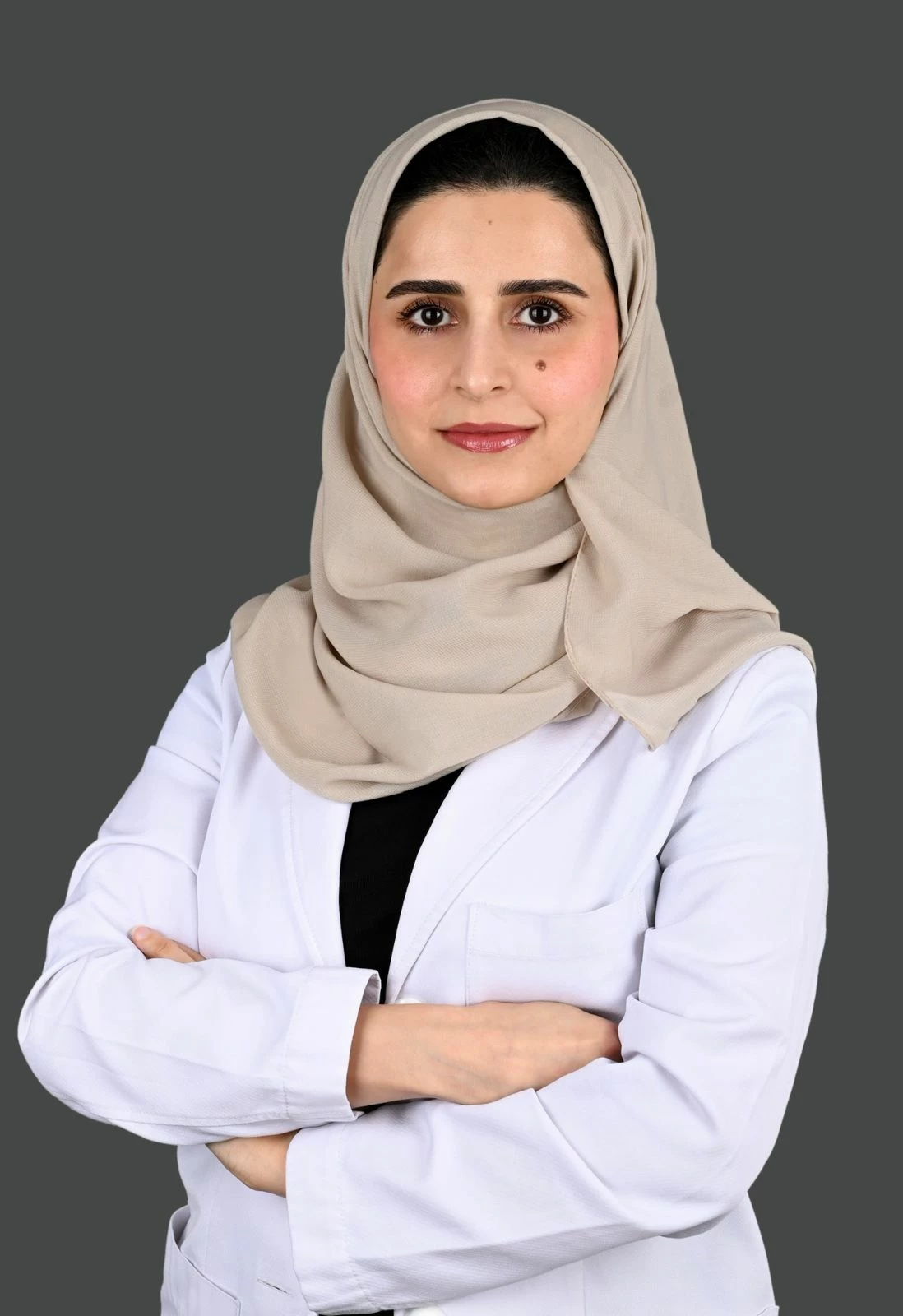
تقدّم استشارية العقم وأطفال الأنابيب والغدد الصماء التناسلية وجراحة المناظير الدكتورة هيا الجريفاني، طرحاً علمياً متعمقاً حول العلاقة بين الإجهاد المزمن والصحة الإنجابية لدى المرأة. ففي ظل تسارع الحياة وتزايد المسؤوليات المهنية والأسرية، لم يعد تعدد الأدوار مجرد تحدٍّ يومي، بل تحول إلى ضغط نفسي مستمر يُعرف علمياً بتداخل الأدوار، وهو عامل مؤثر في التوازن الهرموني ووظائف الجسم.
وتستند الدكتورة الجريفاني إلى تقارير الجمعية الأوروبية لطب الإنجاب وعلم الأجنة (ESHRE)، مؤكدة أن النساء يتعرضن لضغوط نفسية مرتفعة تنعكس مباشرة على المنظومة الهرمونية. فعندما يتحول التوتر إلى حالة مزمنة، يزداد إفراز هرمون الكورتيزول، ما يؤدي إلى اضطراب محور تحت المهاد -الغدة النخامية-المبيض (HPO axis)، المسؤول عن تنظيم الخصوبة. وأي خلل في هذا المحور ينعكس على انتظام التبويض والدورة الشهرية، وقد يصل إلى تأخر الحمل وتراجع القدرة الإنجابية.
وتعزز رؤيتها بتقارير الجمعية الأمريكية لطب الإنجاب (ASRM)، التي تشير إلى أن الإجهاد المزمن، خصوصاً مع نمط حياة مرهق، يضعف كفاءة المبيض ويقلل فرص الحمل الطبيعي. ولا تقتصر آثار التوتر على الجانب الإنجابي، بل تمتد إلى الجسم كله عبر إضعاف المناعة ورفع مؤشرات الالتهاب، مما يزيد من احتمالية الإصابة بالأمراض المزمنة. وغالباً ما تظهر هذه الاضطرابات في بدايتها على شكل تعب مستمر، اضطرابات نوم، وتقلبات مزاجية، وهي مؤشرات مبكرة على اختلالات أعمق.
وتخلص الجريفاني إلى ضرورة التعامل مع الإجهاد بوصفه عاملاً سريرياً مؤثراً في صحة المرأة الهرمونية والإنجابية، لا مجرد حالة عابرة. ومع تزايد متطلبات الحياة، تبرز الحاجة إلى رفع الوعي الصحي وتوفير بيئة داعمة تساعد المرأة على تحقيق التوازن المطلوب، باعتبار أن هذا التوازن ضرورة لحماية الصحة العامة وضمان استدامة القدرة الإنجابية في مواجهة تحديات العصر.
خلاصة
إن بناء بيئة داعمة وتمكين المرأة من أدوات التوازن بين العمل والحياة ليس رفاهية، بل ضرورة لتعزيز الصحة النفسية والإنتاجية والاستقرار الاجتماعي.
In light of the rapid transformations in modern work environments, the challenge of balancing professional and family life emerges as one of the most prominent issues facing working women. With increasing pressures and overlapping responsibilities, achieving a state of psychological and professional stability becomes a primary goal for many women. Reports from the International Labour Organization indicate that about 38% of working women suffer from high levels of stress related to trying to reconcile work and family, which directly impacts their health and quality of life.
Studies confirm that mental health plays a crucial role in a person’s ability to cope with life’s pressures and make conscious decisions. A study from Harvard University showed that chronic stress can increase the likelihood of developing anxiety and depression disorders by up to 25%, making attention to mental health a necessity parallel to attention to physical health, especially with the fast pace of life and the multiple roles women play.
In this context, several doctors and specialists point out that the psychological and physical pressures faced by working women not only affect their professional performance but also extend to their reproductive and hormonal health. The European Society of Human Reproduction and Embryology has clarified that psychological and social support directly contributes to reducing the effects of stress, enhances quality of life, and even increases the chances of success in fertility treatments by up to 20%, according to recent studies.
The Struggle of Roles and Its Psychological and Physical Consequences
Dr. Khalid Mohammed Al-Othaimin, an academic and psychologist, emphasized in his talk to “Okaz” the importance of understanding the psychological pressures faced by working women, explaining that they live in a continuous struggle between multiple roles that leave them trapped in an endless cycle of tasks and expectations. They are expected to be ideal mothers, loving wives, productive employees, socially present daughters, and active members of their families and communities, revealing the extent of the psychological burdens they bear.
Al-Othaimin points out that these pressures leave psychological and emotional effects such as chronic stress, irritability, and feelings of inadequacy, extending to cognitive aspects like confusion in thinking and difficulty concentrating, and manifesting behaviorally in social withdrawal, impulsivity, and aggression, in addition to physical effects like constant fatigue, headaches, and sleep disturbances.
He asserts that there is no such thing as completely symptom-free mental health, but it is important to distinguish between normal symptoms that disappear with rest and those that persist for more than a month and are accompanied by chronic insomnia and affect daily performance. In the long term, repeated pressures can lead to anxiety, depression, burnout, and loss of identity, as well as physical problems such as weakened immunity, inflammation, and hormonal disorders, in addition to their repercussions on the family through strained marital relationships and tension with children.
Regarding stress management, Al-Othaimin emphasizes the importance of family support and redistributing roles within the home, involving the husband and children in tasks, lowering expectations, accepting realistic achievements, obtaining rest, engaging in hobbies, meeting friends, and resorting to expressive writing, while also stressing the need to set clear boundaries and allocate weekly time for oneself. He praises the role of family and work environments in alleviating or increasing stress, as family support and workplace flexibility reduce the burden, while a negative environment increases feelings of stress.
Al-Othaimin concludes by stressing the importance of seeking psychological help when clear signs appear, such as persistent exhaustion, anxiety attacks, sleep disturbances, crying spells, loss of motivation, deterioration of family relationships, or a desire to isolate oneself.
The Burden of Household Roles and Challenges of Family Partnership
The sociological perspective is completed by examining the social dimensions raised by social researcher Rashid Mohammed Al-Faris, who highlights what he calls “hidden pressure” resulting from the accumulation of household burdens. Al-Faris points out that cultural legacies still reinforce the stereotype that places the responsibility of household work solely on women, even with their full engagement in the labor market, making their efforts at home treated as an assumed duty that lacks appreciation, thus exacerbating psychological pressures in the absence of a culture of family participation.
Al-Faris confirms that this exhaustion is not limited to the physical aspect but extends to affect the quality of family relationships, as chronic fatigue weakens a woman’s ability to communicate and endure psychologically, which may be misinterpreted as a lack of familial bonds, while it is actually psychological burnout resulting from continuous stress. He believes that social transformations have granted women extensive opportunities in the public sphere, but these transformations have not been accompanied by a fair redistribution of household responsibilities, creating a dual burden and a gap between traditional roles and modern demands.
He points out that the solution begins with society itself, through a significant role for awareness and media institutions in changing the stereotypical view and promoting the concept of “family partnership” instead of dependency. He also emphasizes the necessity of adopting practical solutions within the family based on fair distribution of tasks and involving children in responsibilities, in addition to women letting go of the pressure to strive for perfection in household tasks. He concludes that understanding and mutual appreciation form the foundation for building a stable family environment that ensures a woman’s psychological and physical balance and protects society from the repercussions of silent stress.
Educational Exhaustion and the Impact of Stress on Following Up with Children
This analytical scene is completed by the educational perspective presented by educational consultant and international trainer Omar Abdulaziz Al-Zahrani, who highlights the pivotal role of the mother in monitoring her children’s academic achievement. Al-Zahrani warns that draining a woman’s energy physically and psychologically leads to a decline in her ability to focus and follow up on educational matters, especially when she bears this responsibility alone in the absence or preoccupation of the father, placing her at risk of psychological burnout, which manifests in irritability or a tendency to isolate, negatively affecting her children’s academic performance.
Al-Zahrani proposes an educational approach based on distributing responsibilities as a necessary educational requirement, not just optional cooperation. Involving the husband and older children in household tasks helps protect the mother from exhaustion and fosters a healthy family atmosphere. He also stresses the importance of community support through a network of relatives and friends, as it plays a role in alleviating pressures and improving communication quality within the family.
In an important institutional aspect, Al-Zahrani confirms the school’s role as a strategic partner in stabilizing the family; by monitoring any decline in students’ performance and collaborating with teachers and families to provide practical solutions that alleviate the burden on the mother and support her children’s educational journey. He believes that the integration of efforts between family, community, and school forms the safety valve that preserves the mother’s balance and ensures her children’s success.
Women’s Experiences Reveal a Diversity of Choices
The picture is completed by the opinions and experiences of many women who shared their perspectives on this issue, with positions varying between supporters of the idea of dedicating themselves to the home and those opposed to it. Some women believe that dedicating oneself to the home is not a weakness, but a conscious choice that grants them psychological and family stability, especially when work pressures cause tension in the marital relationship or deteriorate health. Others assert that women are not required to prove themselves at the expense of their comfort, and that true success begins with their feeling of satisfaction and balance.
Conversely, another group believes that leaving work is not the solution, and that the problem lies in the absence of organization and support, whether from the husband or the work environment. Some women believe in their ability to balance their home and work if they are given appreciation and support, pointing out that financial independence empowers women and boosts their confidence in making decisions.
Hala Al-Ghamdi recounts her experience with work, which she could not balance with her family responsibilities, despite years of trying. She says that the pressures were increasing day by day, and her relationship with her husband began to be affected due to numerous commitments. After numerous attempts to organize her time, she decided to choose her family and home, especially since the financial return was not commensurate with the effort. After dedicating herself, she felt a relative calm, but she did not stop working completely, as she engaged in the “productive families” experience before feeling pressured again, which led her to temporarily stop selling in search of better balance.
A group of women expressed similar experiences to what Hala mentioned; they started working enthusiastically, then collided with the reality of accumulated responsibilities, prompting them to gradually rearrange their lives. Between this and that, the decision remains personal, determined by each woman’s circumstances and her ability to balance without losing herself or her stability.
Among the voices that spoke, Shahira Abdulkhaleq Al-Ghamdi (an employee, mother, and wife) shares details of her day, which begins before everyone else’s; she wakes up to arrange her children’s bags and her work bag, and leaves for her job burdened with a hidden anxiety: Did she accomplish everything? Will she return to finish what remains? She appears strong and organized at work, but carries within her worries that no one sees… she thinks of her children and their duties and health, and of the home that awaits her. Upon her return, another chapter of responsibilities begins, as she moves between her roles as if she is living two days in one. She says she sometimes feels an unseen weight and exhaustion measured by the number of roles, not by the number of hours, and she just wishes this effort would be appreciated and to hear the words: “You are doing a great job.” She points out that the work environment is not always fair, and that she sometimes needs days of rest to regain her energy.
Fatima Al-Zahrani (single) recounts her experience with job exhaustion, saying that she returns from work exhausted, seeking only her bed, due to work pressures and the absence of appreciation. She mentions that she experienced a health setback that led her to visit the hospital, where the doctor confirmed that what she needed was rest and to avoid stress. She received a medical leave and improved, but as soon as she returned to work, the same pressures returned, making her seriously consider leaving her job in search of a more supportive and appreciative environment.
Confronting Stress
And Supporting Working Women
In light of the hormonal and health challenges imposed by chronic stress on women, human resources policies have emerged as a strategic line of defense providing realistic solutions that support the psychological and professional stability of female employees. In this context, Senior Human Resources Specialist and Social Insurance Officer Moudi Saleh bin Sabaan confirms that recent indicators reveal a noticeable increase in stress levels, especially among working mothers, necessitating an urgent institutional response to reshape work environments to meet women’s diverse needs and achieve a balance between their responsibilities and ambitions.
This response is highlighted through the adoption of flexible working hours, which have shifted from an organizational option to an effective tool for alleviating daily pressures and granting female employees greater space to manage their priorities. Bin Sabaan points out that enabling women to achieve this balance has become a fundamental institutional responsibility, as it is no longer acceptable to leave them to face the challenges of multiple roles without clear structural support. Hence, it has become essential to adopt supportive policies that ensure productivity sustainability while maintaining the psychological and physical safety of female employees.
Bin Sabaan also clarifies that the trend towards institutionalizing flexible solutions and making them part of the organizational culture is growing, as modern institutions have realized that enhancing a positive work environment and providing professional growth opportunities cannot be achieved without considering the human and social aspects of women. Despite this positive shift, she emphasizes that there is still a need to expand the scope of these initiatives and ensure their continuity, as institutional success criteria are no longer measured solely by productivity, but by the institution’s ability to enhance quality of life and increase job satisfaction, which forms the true foundation for the stability and sustainability of the professional system.
Hormonal Balance
and Reproductive Capacity
Dr. Haya Al-Juraifani, a consultant in infertility, in vitro fertilization, reproductive endocrinology, and laparoscopic surgery, presents an in-depth scientific discussion on the relationship between chronic stress and women’s reproductive health. In light of the fast pace of life and increasing professional and family responsibilities, the multiplicity of roles has become not just a daily challenge, but a continuous psychological pressure scientifically known as role overlap, which is a significant factor affecting hormonal balance and body functions.
Dr. Al-Juraifani relies on reports from the European Society of Human Reproduction and Embryology (ESHRE), confirming that women are exposed to high psychological pressures that directly reflect on the hormonal system. When stress turns into a chronic state, cortisol hormone secretion increases, leading to disruption of the hypothalamic-pituitary-ovarian (HPO) axis, which is responsible for regulating fertility. Any imbalance in this axis affects ovulation regularity and the menstrual cycle, potentially leading to delayed conception and reduced reproductive capacity.
She reinforces her view with reports from the American Society for Reproductive Medicine (ASRM), which indicate that chronic stress, especially with a stressful lifestyle, weakens ovarian efficiency and reduces the chances of natural conception. The effects of stress are not limited to the reproductive aspect but extend to the entire body by weakening immunity and raising inflammation indicators, increasing the likelihood of chronic diseases. These disorders often initially manifest as persistent fatigue, sleep disturbances, and mood swings, which are early indicators of deeper imbalances.
Dr. Al-Juraifani concludes that it is essential to address stress as a clinically significant factor affecting women’s hormonal and reproductive health, not merely a transient state. With the increasing demands of life, the need to raise health awareness and provide a supportive environment that helps women achieve the necessary balance becomes evident, as this balance is essential for protecting public health and ensuring the sustainability of reproductive capacity in the face of modern challenges.
Conclusion
Building a supportive environment and empowering women with tools to balance work and life is not a luxury, but a necessity to enhance mental health, productivity, and social stability.
للمزيد من المقالات
اضغط هنا