
«البنتاغون»: الحصار على إيران يتوسع.. ولسنا في عجلة لإبرام اتفاق – أخبار السعودية
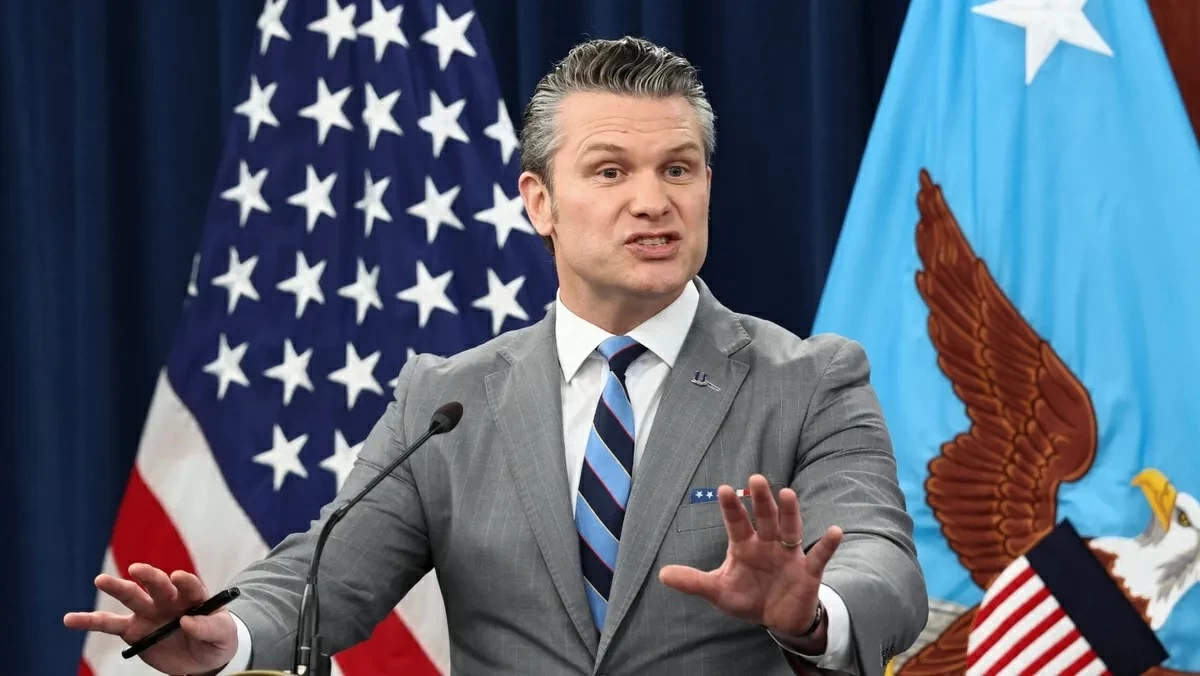
كشف وزير الحرب الأمريكي بيت هيجسيث، أن الحصار البحري الذي تفرضه الولايات المتحدة على الموانئ الإيرانية يتوسع ويتخذ طابعاً عالمياً. وحذر من أن أي محاولة إيرانية لزرع المزيد من الألغام في مضيق هرمز، ستمثل انتهاكاً لوقف إطلاق النار.
وقال بيت خلال إحاطة صحفية في (البنتاغون)، اليوم الجمعة، إن هناك سفناً تعبر المضيق بأمان، لافتاً إلى أن أوروبا بحاجة إلى مضيق هرمز أكثر بكثير مما نحتاجه نحن. وجدد التأكيد على أنه لا يعول على المساعدة الأوروبية، ولكن، واشنطن سترحب بأي جهود أوروبية جادة للقيام بشيء حيال فتح المضيق.
واعتبر أن «أوروبا وآسيا استفادتا من الحماية الأمريكية لعقود وانتهى وقت الاستفادة المجانية»، وأضاف: «أن تكون حليفاً هو طريق ذو اتجاهين».
واعتبر هيجسيث أن إيران لديها فرصة لإبرام اتفاق جيد، وأمامها «فرصة تاريخية لعقد صفقة جادة والكرة في ملعبها»، إلا أنه أكد أن الولايات المتحدة «ليست في عجلة لإبرام اتفاق».
وشدد على أن الحصار البحري على إيران سيستمر طالما استدعى الأمر، مشيراً إلى أن البحرية الأمريكية أجبرت 34 سفينة على العودة أدراجها منذ بدء الحصار على الموانئ الإيرانية.
وأكد أن الجيش الأمريكي يحكم السيطرة على المياه الإيرانية، وأن الحصار يتوسع، وبدأ يتخذ طابعاً عالمياً بعد مصادرة سفينتين إيرانيتين، تابعتين لأسطول الظل الإيراني، غادرتا الموانئ الإيرانية قبل دخول الحصار حيز التنفيذ. ورفض التكهن بجدول زمني لإزالة الألغام من مضيق هرمز.
بدوره، قال رئيس هيئة الأركان المشتركة دان كاين إن الولايات المتحدة تفرض حصاراً شاملاً على مضيق هرمز، وإن قواته على أهبة الاستعداد وجاهزون لاعتراض السفن في إطار الحصار البحري.
ولفت أن إيران هاجمت 5 سفن تجارية، منذ بدء الحصار البحري، وسنواصل تنفيذ عمليات الاعتراض في المحيطين الهادي والهندي ضد السفن الإيرانية، وأعلن أن ناقلتي النفط اللتين تم اعتراضهما خلال الأيام الماضية، لا تزالان محتجزتين.
U.S. Secretary of Defense Pete Hegseth revealed that the maritime blockade imposed by the United States on Iranian ports is expanding and taking on a global character. He warned that any Iranian attempt to plant more mines in the Strait of Hormuz would constitute a violation of the ceasefire.
During a press briefing at the Pentagon today, Friday, Hegseth stated that there are ships crossing the strait safely, noting that Europe needs the Strait of Hormuz much more than the U.S. does. He reiterated that he does not rely on European assistance, but Washington would welcome any serious European efforts to do something about opening the strait.
He considered that “Europe and Asia have benefited from American protection for decades, and the time for free benefits has ended,” adding, “Being an ally is a two-way street.”
Hegseth believed that Iran has an opportunity to reach a good agreement, and it has a “historic chance to make a serious deal, and the ball is in its court,” but he emphasized that the United States “is not in a hurry to reach an agreement.”
He stressed that the maritime blockade on Iran will continue as long as necessary, pointing out that the U.S. Navy has forced 34 ships to turn back since the blockade on Iranian ports began.
He confirmed that the U.S. military has control over Iranian waters, and that the blockade is expanding, beginning to take on a global character after the seizure of two Iranian ships belonging to the Iranian shadow fleet, which left Iranian ports before the blockade came into effect. He refused to speculate on a timeline for removing mines from the Strait of Hormuz.
For his part, Chairman of the Joint Chiefs of Staff Dan Cain stated that the United States is imposing a comprehensive blockade on the Strait of Hormuz, and that his forces are on high alert and ready to intercept ships as part of the maritime blockade.
He noted that Iran has attacked 5 commercial ships since the start of the maritime blockade, and we will continue to carry out interception operations in the Pacific and Indian Oceans against Iranian ships, announcing that the two oil tankers intercepted in recent days are still being held.
للمزيد من المقالات
اضغط هنا