
كشف علمي: الأرض أقرب إلى حافة مجرة درب التبانة – أخبار السعودية
4 مايو 2026 – 07:22
|
آخر تحديث 4 مايو 2026 – 07:22
|
آخر تحديث 4 مايو 2026 – 07:22
تحديد هذه الحافة كان يمثل تحدياً كبيراً لسنوات طويلة.

تابع قناة عكاظ على الواتساب
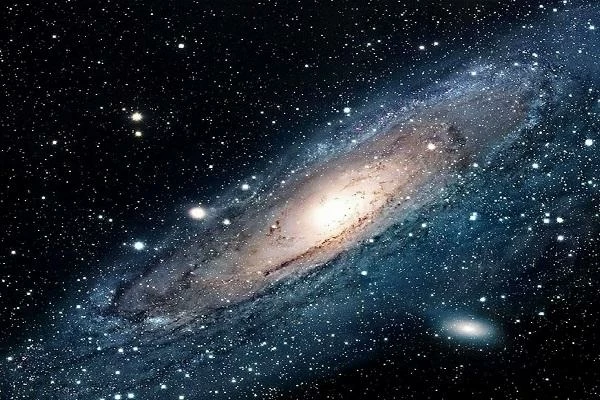
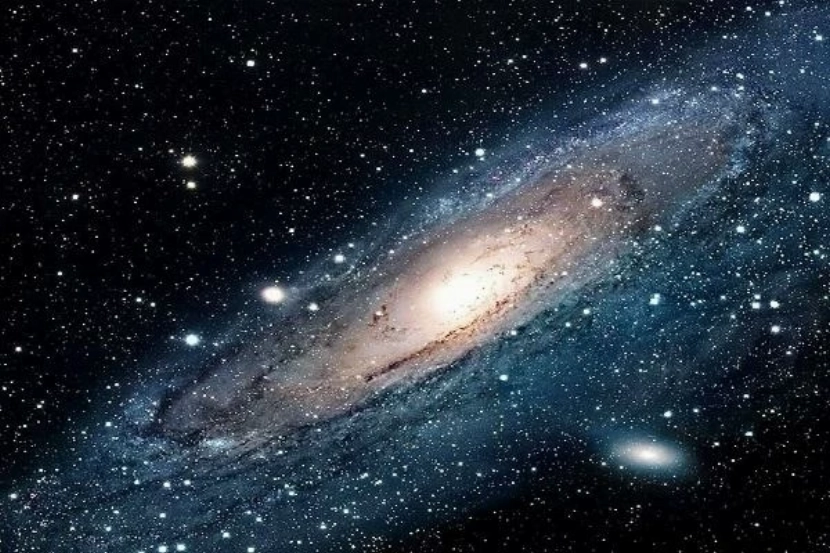
أظهرت دراسة علمية حديثة أن الحافة الخارجية لمجرة درب التبانة أقرب إلى الأرض مما كان متوقعاً.
وأظهرت الدراسة التي أجراها باحثون من جامعة إنسوبريا الإيطالية، بالتعاون مع فريق بحثي دولي، تحديد الحافة الخارجية لقرص مجرة «درب التبانة» بدقة غير مسبوقة، واكتشفوا أن كوكب الأرض يقع على مسافة 13,300 سنة ضوئية من هذه الحافة. واعتمدت الدراسة التي قادها كارل فيتيني من جامعة إنسوبريا، على تحليل بيانات أكثر من 100 ألف نجم عملاق لتحديد نهاية «منطقة تشكل النجوم»، وهي المنطقة التي لا تزال تشهد ولادة نجوم جديدة في المجرة. وأظهرت النتائج أن حافة قرص المجرة تبعد حوالى 40,000 سنة ضوئية عن الثقب الأسود الموجود في مركزها، بينما تبعد الأرض 13,300 سنة ضوئية فقط عن هذه الحافة، ما يعني أنها أقرب إلى حدود المجرة الخارجية منها إلى قلبها. وأشار الباحثون إلى أن تحديد هذه الحافة كان يمثل تحدياً كبيراً لسنوات طويلة؛ لأن المجرة لا تنتهي بحدود قاطعة، بل تتلاشى كثافتها تدريجياً، ما جعل هذا الاكتشاف بمنزلة أول رسم دقيق لنهاية جغرافية واضحة للمكان الذي نعيش فيه داخل هذا الكون الواسع.
A recent scientific study has shown that the outer edge of the Milky Way galaxy is closer to Earth than previously expected.
The study conducted by researchers from the University of Insubria in Italy, in collaboration with an international research team, precisely determined the outer edge of the Milky Way galaxy’s disk, discovering that Earth is located 13,300 light-years from this edge. The study, led by Karl Vitini from the University of Insubria, relied on the analysis of data from over 100,000 giant stars to define the end of the “star formation region,” which is the area still witnessing the birth of new stars in the galaxy. The results showed that the edge of the galaxy’s disk is about 40,000 light-years away from the black hole at its center, while Earth is only 13,300 light-years from this edge, meaning it is closer to the outer boundaries of the galaxy than to its core. The researchers noted that determining this edge has posed a significant challenge for many years, as the galaxy does not end with sharp boundaries but rather gradually fades in density, making this discovery the first precise mapping of a clear geographical end of the place we inhabit within this vast universe.
للمزيد من المقالات
اضغط هنا