
انهيار «سبيريت» للطيران.. أول ضحية لارتفاع الوقود بسبب حرب إيران – أخبار السعودية
أعلنت شركة الطيران الأمريكية سبيريت إيرلاينز، توقف عملياتها بالكامل، اعتباراً من اليوم السبت، بعد فشلها في الحصول على دعم الدائنين لخطة إنقاذ حكومية، لتصبح بذلك أول شركة طيران تسقط ضحية مباشرة لتداعيات الحرب الإيرانية وارتفاع أسعار الوقود.
ويأتي انهيار الشركة في ظل تضاعف أسعار وقود الطائرات خلال الشهرين الماضيين، ما أدى إلى تدهور حاد في أوضاعها المالية، وسط توقعات بفقدان آلاف الوظائف، في ضربة سياسية للرئيس الأمريكي دونالد ترمب، الذي كان قد اقترح حزمة دعم بقيمة 500 مليون دولار لإنقاذ الشركة رغم معارضة داخلية من مستشاريه وعدد من الجمهوريين في الكونغرس.
وأكدت الشركة في بيان رسمي، أن الارتفاع الكبير في أسعار النفط، إلى جانب ضغوط تشغيلية أخرى، أثر بشكل جوهري على مستقبلها المالي، ما دفعها إلى اتخاذ قرار «إنهاء العمليات بشكل منظم».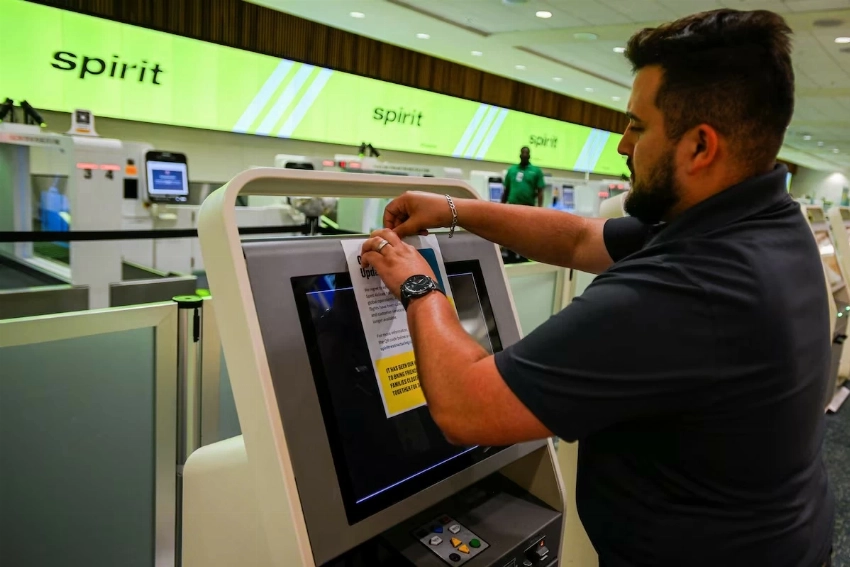
وأوضحت سبيريت، أنها ألغت جميع رحلاتها، مطالبة المسافرين بعدم التوجه إلى المطارات، بعد أن كانت قد جدولت أكثر من 4,000 رحلة داخلية خلال النصف الأول من مايو، بسعة تتجاوز 800 ألف مقعد.
ويُعد هذا الانهيار الأول من نوعه لشركة طيران أمريكية بهذا الحجم منذ نحو عقدين، إذ كانت سبيريت تمثل نحو 5% من الرحلات داخل الولايات المتحدة، ولعبت دوراً مهماً في خفض أسعار التذاكر في الأسواق التي تنافس فيها.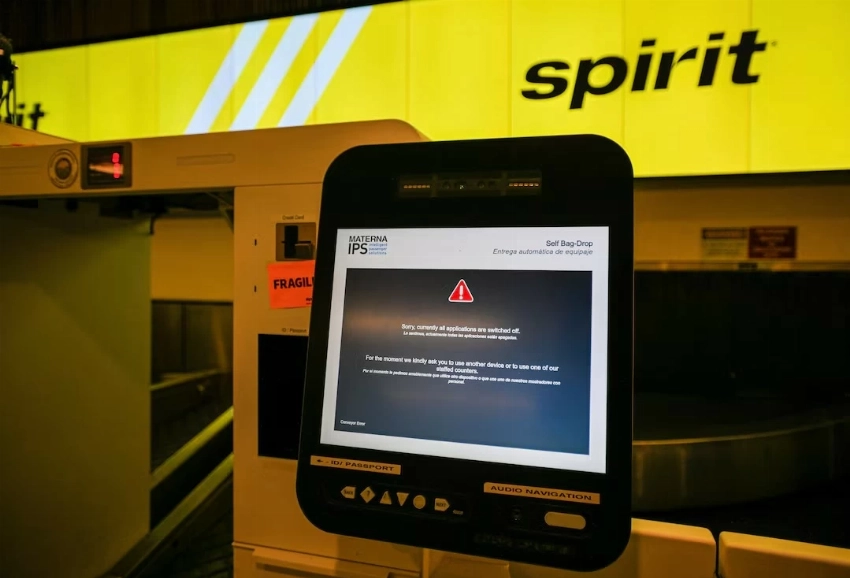
وتأتي الأزمة في وقت تواجه فيه شركات الطيران العالمية ارتفاعاً غير مسبوق في أسعار الوقود، عقب الضربات الأمريكية-الإسرائيلية على إيران، التي أدت إلى اضطراب حركة الملاحة في مضيق هرمز، ما تسبب في قفزة كبيرة في تكاليف التشغيل.
وكانت الشركة تعتمد نموذج الطيران منخفض التكلفة، مستهدفة المسافرين الباحثين عن أسعار اقتصادية، حتى وإن كان ذلك على حساب خدمات إضافية مثل الأمتعة واختيار المقاعد. إلا أن هذا النموذج واجه تراجعاً في الطلب بعد جائحة كورونا، مع تحول المسافرين نحو تجارب سفر أكثر راحة.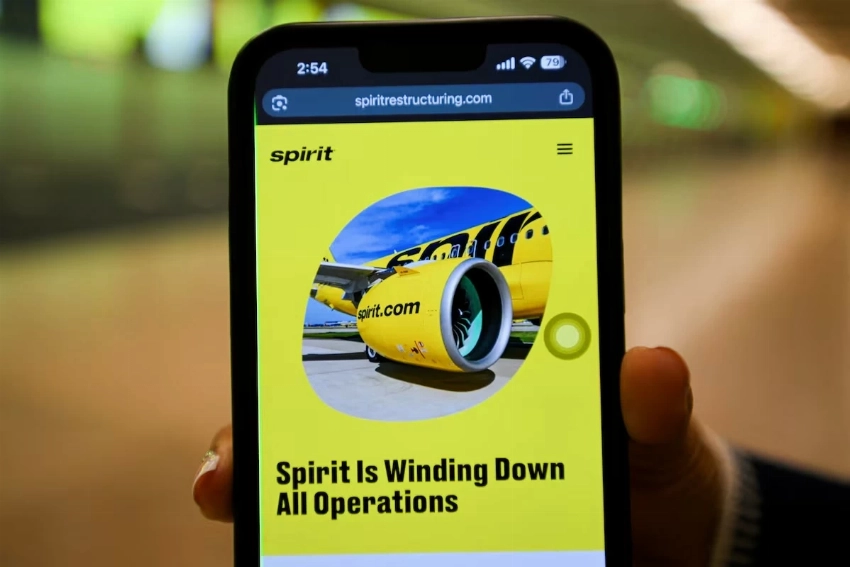
من جهة أخرى، من المتوقع أن تستفيد شركات منافسة مثل جيت بلو وفرونتير من خروج سبيريت من السوق، رغم أنها تواجه بدورها ضغوطاً بسبب ارتفاع التكاليف، وقد انعكس ذلك على الأسواق المالية، إذ تراجعت أسهم الشركة بنسبة 25%، بينما ارتفعت أسهم منافسيها.
وبحسب وكالة رويترز، كشفت مصادر مطلعة أن إدارة ترمب قدمت عرضاً أخيراً لإنقاذ الشركة، تضمن تمويلاً مقابل حصة كبيرة من أسهمها، إلا أن المفاوضات وصلت إلى طريق مسدود.
وفي تعليق لوزير النقل الأمريكي، أشار إلى محاولات فاشلة لإقناع شركات أخرى بالاستحواذ على سبيريت، متسائلاً: إذا لم يرغب أحد في شرائها، فلماذا نفعل نحن؟.
ويُظهر هذا الانهيار مدى هشاشة بعض شركات الطيران أمام صدمات أسعار الوقود، خصوصاً تلك التي تعاني أصلاً من ضعف الربحية، ما يثير مخاوف من موجة إفلاسات محتملة في القطاع خلال الفترة المقبلة.
The American airline Spirit Airlines announced a complete halt to its operations, effective today, Saturday, after failing to secure creditor support for a government bailout, thus becoming the first airline to fall victim directly to the repercussions of the Iranian war and rising fuel prices.
The company’s collapse comes amid a doubling of jet fuel prices over the past two months, leading to a sharp deterioration in its financial situation, with expectations of thousands of job losses, in a political blow to President Donald Trump, who had proposed a $500 million support package to save the company despite internal opposition from his advisors and several Republicans in Congress.
The company confirmed in an official statement that the significant rise in oil prices, along with other operational pressures, fundamentally affected its financial future, prompting it to make the decision to “wind down operations in an orderly manner.”
Spirit explained that it has canceled all its flights, urging travelers not to head to airports, after having scheduled more than 4,000 domestic flights during the first half of May, with a capacity exceeding 800,000 seats.
This collapse is the first of its kind for an American airline of this size in nearly two decades, as Spirit represented about 5% of flights within the United States and played an important role in lowering ticket prices in the markets it competed in.
The crisis comes at a time when global airlines are facing unprecedented increases in fuel prices, following the American-Israeli strikes on Iran, which led to disruptions in navigation in the Strait of Hormuz, causing a significant spike in operating costs.
The company relied on a low-cost flying model, targeting travelers seeking economical fares, even at the expense of additional services such as baggage and seat selection. However, this model faced a decline in demand after the COVID-19 pandemic, as travelers shifted towards more comfortable travel experiences.
On the other hand, competing companies like JetBlue and Frontier are expected to benefit from Spirit’s exit from the market, although they too are facing pressures due to rising costs, which has reflected in the financial markets, as Spirit’s shares fell by 25%, while its competitors’ shares rose.
According to Reuters, informed sources revealed that the Trump administration made a final offer to save the company, which included funding in exchange for a large stake in its shares, but negotiations reached an impasse.
In a comment from the U.S. Secretary of Transportation, he pointed to failed attempts to convince other companies to acquire Spirit, questioning: If no one wants to buy it, why should we?
This collapse demonstrates the fragility of some airlines in the face of fuel price shocks, especially those already suffering from weak profitability, raising concerns about a potential wave of bankruptcies in the sector in the coming period.
للمزيد من المقالات
اضغط هنا