
#عاجل | مسودة لائحة «سيارات نقل الجثامين»: منع الاهتزاز وأرضيات مانعة للتسرّب والانزلاق – أخبار السعودية
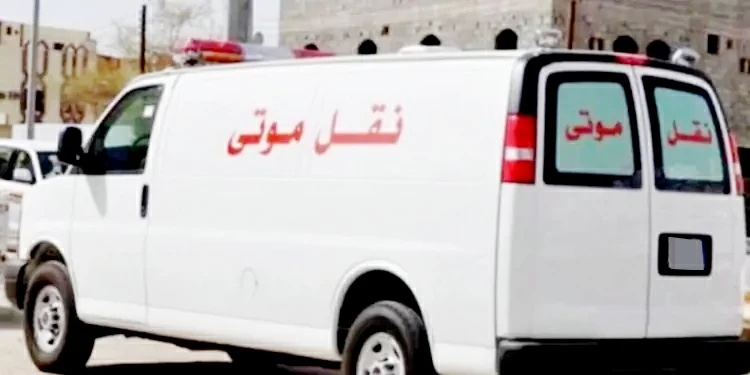
كشفت هيئة المواصفات والمقاييس والجودة مسودة المتطلبات العامة لتجهيز مركبات نقل الموتى، التي صنّفت المركبات إلى نموذجين: الأول للنقل داخل المدن، والثاني للنقل داخل المدن وبينها.
وتضمنت المسودة اشتراطات تركز على السلامة والجودة، أبرزها تجهيز المركبات وفق منهجية تحليل وتقييم المخاطر، بما يحد من أي تأثيرات على الصحة أو التشغيل وعدم تعارض التعديلات مع تعليمات المصنع أو الجهات المختصة، وألا تؤثر سلباً على سلامة المركبة أو مستخدمي الطريق.
وأوجبت المسودة مراعاة الوزن الإجمالي المسموح به، مع تحديد أبعاد المقصورة، بما يضمن التشغيل الآمن كما نصت على تثبيت جميع التجهيزات بشكل يمنع الاهتزاز، واستخدام مواد داخلية مقاومة لمواد التنظيف والتطهير، سهلة التنظيف، غير مسامية، وخالية من الأقمشة أو المواد التي تعيق التعقيم.
وأكدت المسودة ضرورة تجهيز المقصورة بهيكل متين لحمل الجثمان، مصنوع من الفولاذ المقاوم للصدأ، يضمن توزيع البرودة بشكل فعّال، ومزوّد بوسائل تثبيت آمنة تتحمل ظروف الحركة المفاجئة. كما شددت على تغطية الزوايا الحادة، وتجهيز الأرضيات بمواد مقاومة للماء والانزلاق والاشتعال، مع نظام تصريف آمن للسوائل.
تضمنت الاشتراطات تزويد المركبة بوسائل مساعدة للصعود والنزول، وطفاية حريق، وحقيبة إسعافات أولية، إضافة إلى حماية الزجاج الخلفي، وضمان إحكام إغلاق المقصورة لمنع تسرب الغبار أو الغازات. وألزمت بوضع شعار الجهة المستفيدة بشكل واضح باستخدام مواد مقاومة للعوامل الجوية.
وفيما يخص النموذج الأول، اشترطت المسودة تزويده بنظام تكييف يحافظ على درجة حرارة بين (20-25) درجة مئوية، مع فصل تكييف السائق عن المقصورة، وتوفير حاجز عازل مزوّد بنافذة شفافة للرؤية الخلفية.
أما النموذج الثاني فألزم بتجهيزه بنظام تبريد يحافظ على درجة حرارة بين (0-4) درجات مئوية لنقل الموتى بين المدن، مع أنظمة مراقبة وعرض للحرارة، إضافة إلى عزل حراري عالي الكفاءة يضمن ثبات درجات الحرارة داخل المقصورة.
The Standards, Metrology and Quality Organization has revealed the draft of the general requirements for equipping mortuary transport vehicles, which classified the vehicles into two models: the first for transport within cities, and the second for transport between cities.
The draft included requirements focusing on safety and quality, the most notable of which is equipping the vehicles according to a risk analysis and assessment methodology, which minimizes any impacts on health or operation and ensures that modifications do not conflict with the manufacturer’s instructions or the relevant authorities, and do not negatively affect the safety of the vehicle or road users.
The draft required consideration of the permissible gross weight, along with specifying the dimensions of the compartment, ensuring safe operation, as well as stipulating that all equipment be secured in a way that prevents vibration, and using internal materials resistant to cleaning and disinfection agents, easy to clean, non-porous, and free from fabrics or materials that hinder sterilization.
The draft emphasized the necessity of equipping the compartment with a sturdy structure to carry the body, made of stainless steel, ensuring effective distribution of cold, and equipped with secure fastening means that can withstand sudden movement conditions. It also stressed covering sharp corners and equipping the floors with materials resistant to water, slipping, and ignition, along with a safe drainage system for liquids.
The requirements included equipping the vehicle with means to assist in ascending and descending, a fire extinguisher, and a first aid kit, in addition to protecting the rear glass and ensuring the compartment is tightly sealed to prevent the ingress of dust or gases. It mandated placing the logo of the benefiting entity clearly using weather-resistant materials.
Regarding the first model, the draft required it to be equipped with an air conditioning system that maintains a temperature between (20-25) degrees Celsius, with the driver’s air conditioning separated from the compartment, and providing an insulating barrier equipped with a transparent window for rear visibility.
As for the second model, it was mandated to be equipped with a cooling system that maintains a temperature between (0-4) degrees Celsius for transporting the deceased between cities, along with monitoring and display systems for temperature, in addition to high-efficiency thermal insulation that ensures stable temperatures inside the compartment.
للمزيد من المقالات
اضغط هنا