
كلية علوم الأغذية والزراعة.. أعمدة بناء الأمن المائي والغذائي والتنمية الزراعية المستدامة في المملكة – أخبار السعودية
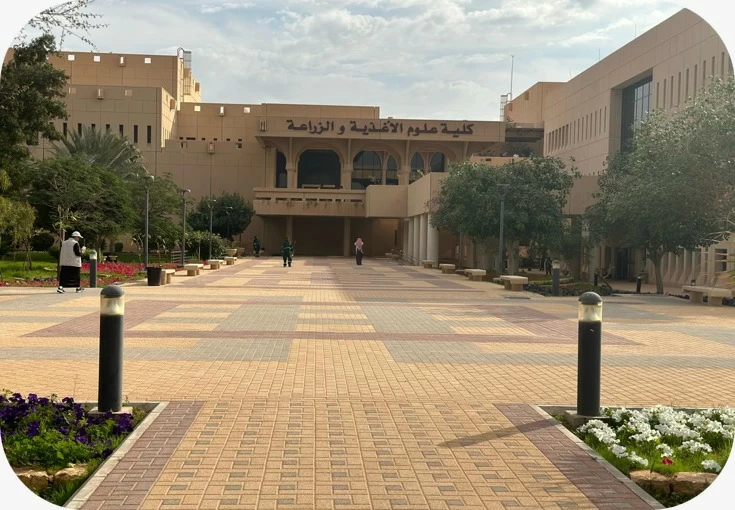
لماذا كلية علوم الأغذية والزراعة؟
في ظل التحديات المتزايدة التي تواجه الأمن الغذائي والمائي، تبرز كلية علوم الأغذية والزراعة بجامعة الملك سعود كمؤسسة علمية رائدة تدعم الأمن الغذائي والزراعة المستدامة. وتحقق الكلية ذلك من خلال إعداد كوادر وطنية متخصصة، وإجراء بحوث مبتكرة تُسهم في التنمية الزراعية المستدامة، وتعزيز كفاءة إدارة الموارد الطبيعية.
وتتوافق برامج الكلية مع أهداف رؤية المملكة 2030، بما في ذلك تطوير الإنتاج الزراعي والصناعات الغذائية، وحماية الموارد الطبيعية، وتحسين كفاءة استخدام الأراضي. وتُعدّ الإدارة الفعّالة للأراضي والتربة والمياه عاملاً أساسياً في زيادة الإنتاجية وجودة المحاصيل، ودعم الاقتصاد الوطني، ومكافحة التصحر، وتحقيق التنمية المستدامة. وهذا ما يجعل الكلية ركيزة استراتيجية للأمن الغذائي الوطني، ويفتح آفاقاً استثمارية في الزراعة الحديثة والصناعات المرتبطة بها.
كما تعتبر كلية علوم الأغذية والزراعة الأقدم والأعرق على مستوى المملكة في مجالات الزراعة المختلفة، وكذلك أكبر كلية زراعة في دول مجلس التعاون الخليجي. وهذا ما يجعلها بيت الخبرة والمرجعية العلمية الأولى في مجالات الزراعة والأغذية والموارد الطبيعية، لتلبية احتياجات التنمية بالمملكة في القطاع الزراعي.
يمتاز خريجو الكلية بالجاهزية لتحقيق احتياجات سوق العمل مما يعزز من فرص التوظيف في القطاع العام والخاص، والمساهمة في تحقيق مستهدفات رؤية المملكة 2030. حيث تعتبر نسب التوظيف مرتفعة مقارنة بالتخصصات الأخرى.
عندما أصبحت الزراعة مشروعاً وطنياً
تأسست الكلية عام ١٣٨٥هـ / ١٩٦٥م باسم كلية الزراعة، لتكون الكلية السادسة في جامعة الملك سعود، وأول مؤسسة متخصصة في العلوم الزراعية في شبه الجزيرة العربية. وجاء تأسيسها استجابةً لواقع بيئي معقد يتسم بمحدودية الموارد المائية، وندرة الأراضي الصالحة للزراعة، والحاجة إلى تحقيق الاكتفاء الذاتي الغذائي.
وبذلك، أصبحت الكلية أداة علمية لإعادة صياغة العلاقة بين الإنسان وبيئته، من خلال توظيف المعرفة والتكنولوجيا لخدمة الاستدامة، وتحويل الزراعة إلى مشروع وطني قائم على البحث العلمي والتعليم التطبيقي.
الهيكل التأسيسي للكلية
منذ نشأتها، بُنيت الكلية كنظام تطبيقي متكامل، لا مجرد مؤسسة تعليمية تقليدية. كان الحرم الجامعي الأول يقع في قصر بحي عليشة في الرياض، ويمتد على مساحة 108,978 متراً مربعاً. ضمّ هذا الحرم حقولاً زراعية تجريبية، وبيوتاً زجاجية لدراسة البيئات المختلفة، ومختبرات بحثية متخصصة، ومرافق لإنتاج الحيوانات. كانت هذه المكونات أساسية لفهم الزراعة عملياً في بيئة صحراوية.
التوسع خارج الحرم الجامعي
إدراكاً لأهمية البحث التطبيقي، أنشأت الكلية محطة تجريبية في ديراب ومزرعة بحثية في المزاحمية. حوّل هذا الكلية من مؤسسة تعليمية إلى منصة وطنية لإنتاج المعرفة الزراعية في سياقها الواقعي، مقدماً نموذجاً يجمع بين التعليم والبحث والتطبيق الميداني، ومساهماً في صياغة سياسات التنمية الزراعية في المملكة.
بداية متواضعة، لكن أثر كبير
في عامها الأول، لم يتجاوز عدد الطلاب 58 طالباً. تخرج أحد عشر طالباً كأول دفعة، مشكلين النواة الأولى من المهنيين الزراعيين الذين ساهموا لاحقاً في تطوير القطاع الزراعي من خلال إنشاء مشاريع زراعية، ودعم الجهات الحكومية، وتطبيق المعرفة عملياً.
تطوير البرامج الأكاديمية
بدأت الكلية بتخصص واحد (1385-1396هـ): العلوم الزراعية (شعبة عامة). توسع هذا التخصص بين عامي 1396 و1400هـ ليشمل الإنتاج النباتي ووقاية النبات، الإنتاج الحيواني والصناعات الغذائية، علوم التربة والهندسة الزراعية، الاقتصاد الزراعي والمجتمع الريفي بالإضافة للشعبة العامة. وخلال الفترة بين عام 1400-1410هـ، تم استحداث عشرة تخصصات شملت: المحاصيل، البساتين، ووقاية النبات، وعلوم التربة، والهندسة الزراعية، والإنتاج الحيواني، وعلوم الأغذية، والاقتصاد الزراعي والمجتمع الريفي، وشعبة عامة، بالإضافة الى التغذية والاقتصاد المنزلي. استقر الهيكل لاحقاً على ستة برامج رئيسية: الإنتاج النباتي، والاقتصاد التطبيقي، والإنتاج الحيواني، والهندسة الزراعية، وعلوم الأغذية والتغذية، ووقاية النبات، إلى جانب برامج الدراسات العليا. يعكس هذا التغيير التحول من التعليم العام إلى البرامج المتخصصة التي تتماشى مع احتياجات التنمية الوطنية.
مرحلة التمكين المؤسسي
في عام ١٤٠٥هـ / ١٩٨٥م، انتقلت الكلية إلى موقعها الحالي في الحرم الجامعي بالدرعية، حيث توفرت لها بنية تحتية متطورة. وقد عزز هذا الانتقال اندماج الكلية في منظومة البحث العلمي بالجامعة، وساهم في توسيع البرامج الأكاديمية وزيادة الطاقة الاستيعابية للطلاب ودعم أوسع للبحث العلمي.
تحول استراتيجي ومعرفي
في العام الدراسي ١٤٢٤/١٤٢٥هـ / ٢٠٠٣/٢٠٠٤م، تم تغيير اسم الكلية من كلية الزراعة إلى كلية علوم الأغذية والزراعة، مما يعكس تحولها الاستراتيجي من التركيز فقط على الإنتاج الزراعي إلى منظومة متكاملة تشمل الغذاء والتغذية وسلاسل التوريد والأنشطة ذات القيمة المضافة والتقنيات الحديثة. واليوم، تضم الكلية ثمانية أقسام علمية متخصصة، ومراكز بحثية، ومكتباً للأمن الغذائي، وثمانية كراسي بحثية، وجمعيتين علميتين، مما يجعلها مؤسسة شاملة في مجالات الزراعة والغذاء.
البرامج الأكاديمية بالكلية وأثرها
تركز برامج الكلية على إعداد كوادر وطنية قادرة على مواجهة تحديات الأمن الغذائي وإدارة الموارد الطبيعية بكفاءة. وتسد هذه البرامج الفجوة بين المعرفة النظرية والتطبيق العملي من خلال التدريب الميداني، ومشاريع بحثية طلابية، والتعاون مع المزارعين والمجتمع المحلي يضمن هذا التكامل أن يكون الخريجون ليسوا فقط موظفين أكفاء، بل أيضاً مبتكرين قادرين على تطوير حلول عملية للمشاكل الزراعية والغذائية، مما يدعم اقتصاد المملكة ويعزز الاستدامة البيئية.
البحث العلمي والابتكار
تتبوأ الكلية مكانة استراتيجية ضمن منظومة البحث العلمي، حيث تتنوع أنشطتها بين إنتاج المعرفة ومعالجة التحديات الوطنية المتعلقة بالأمن الغذائي، وإدارة الموارد الطبيعية، والزراعة المستدامة، لا سيما في بيئة صحراوية ذات تحديات فريدة. ويتم ذلك من خلال الخبرة المتراكمة لأعضاء هيئة التدريس، والبنية التحتية للكلية، حيث تساهم ذلك في توجيه الأبحاث نحو حلول عملية، مثل ترشيد استهلاك المياه، تطوير محاصيل مقاومة للجفاف، تحسين تقنيات وتصنيع الأغذية وحفظها. علاوة على ذلك، تعزز الشراكات العلمية الدولية تبادل المعرفة والتقنيات الحديثة، مما يجعل الكلية حلقة وصل بين الابتكار العالمي والاحتياجات المحلية، ويدعم اقتصاداً معرفياً مستداماً قائماً على التكنولوجيا.
الاعتمادات الدولية والجودة
حصلت الكلية على اعتماد أكاديمي دولي من المعهد الكندي للزراعة (AIC)، وشهادة نظام إدارة الجودة ISO 9001:2008 واعتماد وطني (NCAAA) لبعض البرامج، واحتلت العلوم الزراعية بالكلية المرتبة 37 عالمياً في عام 2025 وفقًا لتصنيف شنغهاي، وكذلك حصلت على مرتبة 95 على مستوى العالم وفقاً لتصنيف QS. مما يعكس التميز الأكاديمي ودور الكلية في تعزيز الأمن الغذائي والتنمية المستدامة.
رسالة الكلية في خدمة المملكة ورؤية 2030
تربط الكلية البحث العلمي والمبادرات التطبيقية بالمجتمع من خلال: مركز الإرشاد الزراعي لنقل نتائج البحوث إلى المزارعين، برامج التدريب الميداني لدعم قادة الزراعة المستقبليين، ودعم المشاريع الصغيرة والمتوسطة في قطاعي الزراعة والغذاء وتتماشى هذه الجهود مع رؤية المملكة 2030 من خلال: تعزيز الأمن الغذائي عن طريق زيادة الإنتاج، وتحسين جودة الغذاء، والحد من الهدر، وأيضاً تنويع الاقتصاد الوطني بتطبيق التقنيات الزراعية الذكية وإنشاء قطاعات إنتاجية جديدة، وتعمل أيضاً على تحقيق الاستدامة البيئية بالحفاظ على الموارد الطبيعية وتقليل الأثر البيئي وتتبنى الكلية اقتصاد المعرفة والابتكار بتوطين المعرفة وتطوير كفاءات تنافسية عالمياً.
ختاماً، تتجاوز إنجازات الكلية مجرد البحوث المنشورة والمشاريع التطبيقية، فهي تمثل منظومة شاملة للمعرفة والابتكار والتطبيق العملي، بما يتماشى مع أولويات التنمية في المملكة. وتؤكد الكلية أن الابتكار الزراعي ليس ترفاً معرفياً، بل هو ركيزة أساسية لبناء اقتصاد مستدام وتحقيق سيادة غذائية حقيقية، مما يجعل كلية علوم الأغذية والزراعة حجر الزاوية في الأمن الغذائي والتنمية المستدامة في المملكة.
Why the College of Food and Agriculture Sciences?
In light of the increasing challenges facing food and water security, the College of Food and Agriculture Sciences at King Saud University stands out as a leading scientific institution supporting food security and sustainable agriculture. The college achieves this by preparing specialized national cadres, conducting innovative research that contributes to sustainable agricultural development, and enhancing the efficiency of natural resource management.
The college’s programs align with the goals of Saudi Vision 2030, including the development of agricultural production and food industries, the protection of natural resources, and the improvement of land use efficiency. Effective management of land, soil, and water is a key factor in increasing productivity and crop quality, supporting the national economy, combating desertification, and achieving sustainable development. This makes the college a strategic pillar for national food security and opens up investment opportunities in modern agriculture and related industries.
The College of Food and Agriculture Sciences is also the oldest and most prestigious in the Kingdom in various agricultural fields, as well as the largest agricultural college in the Gulf Cooperation Council countries. This makes it a center of expertise and the primary scientific reference in agriculture, food, and natural resources, to meet the developmental needs of the Kingdom in the agricultural sector.
The college’s graduates are distinguished by their readiness to meet labor market needs, enhancing employment opportunities in both the public and private sectors, and contributing to the achievement of the goals of Saudi Vision 2030. Employment rates are considered high compared to other disciplines.
When Agriculture Became a National Project
The college was established in 1385 AH / 1965 AD under the name of the College of Agriculture, making it the sixth college at King Saud University and the first specialized institution in agricultural sciences in the Arabian Peninsula. Its establishment came in response to a complex environmental reality characterized by limited water resources, scarcity of arable land, and the need to achieve food self-sufficiency.
Thus, the college became a scientific tool for reshaping the relationship between humans and their environment, by employing knowledge and technology to serve sustainability, and transforming agriculture into a national project based on scientific research and applied education.
The Foundational Structure of the College
Since its inception, the college has been built as an integrated applied system, not just a traditional educational institution. The first campus was located in a palace in the Al-Isha neighborhood in Riyadh, covering an area of 108,978 square meters. This campus included experimental agricultural fields, greenhouses for studying different environments, specialized research laboratories, and facilities for animal production. These components were essential for understanding agriculture practically in a desert environment.
Expansion Beyond the Campus
Recognizing the importance of applied research, the college established an experimental station in Dirab and a research farm in Al-Muzahimiyah. This transformed the college from an educational institution into a national platform for producing agricultural knowledge in its real context, providing a model that combines education, research, and field application, contributing to shaping agricultural development policies in the Kingdom.
A Modest Beginning, but a Significant Impact
In its first year, the number of students did not exceed 58. Eleven students graduated as the first batch, forming the initial nucleus of agricultural professionals who later contributed to the development of the agricultural sector by establishing agricultural projects, supporting government agencies, and applying knowledge practically.
Development of Academic Programs
The college began with one major (1385-1396 AH): Agricultural Sciences (General Division). This major expanded between 1396 and 1400 AH to include Plant Production and Plant Protection, Animal Production and Food Industries, Soil Science and Agricultural Engineering, Agricultural Economics, and Rural Society, in addition to the general division. During the period between 1400-1410 AH, ten majors were introduced, including: Crops, Horticulture, Plant Protection, Soil Science, Agricultural Engineering, Animal Production, Food Sciences, Agricultural Economics and Rural Society, a General Division, in addition to Nutrition and Home Economics. The structure later settled on six main programs: Plant Production, Applied Economics, Animal Production, Agricultural Engineering, Food Sciences and Nutrition, and Plant Protection, alongside graduate programs. This change reflects the shift from general education to specialized programs that align with national development needs.
Institutional Empowerment Phase
In 1405 AH / 1985 AD, the college moved to its current location in the Al-Dhahriah campus, where advanced infrastructure was available. This transition enhanced the college’s integration into the university’s scientific research system, contributed to expanding academic programs, increasing student capacity, and supporting broader scientific research.
Strategic and Knowledge Transformation
In the academic year 1424/1425 AH / 2003/2004 AD, the college’s name was changed from the College of Agriculture to the College of Food and Agriculture Sciences, reflecting its strategic shift from focusing solely on agricultural production to an integrated system that includes food, nutrition, supply chains, value-added activities, and modern technologies. Today, the college includes eight specialized scientific departments, research centers, a food security office, eight research chairs, and two scientific societies, making it a comprehensive institution in the fields of agriculture and food.
Academic Programs at the College and Their Impact
The college’s programs focus on preparing national cadres capable of facing food security challenges and managing natural resources efficiently. These programs bridge the gap between theoretical knowledge and practical application through field training, student research projects, and collaboration with farmers and the local community. This integration ensures that graduates are not only competent employees but also innovators capable of developing practical solutions to agricultural and food problems, thereby supporting the Kingdom’s economy and enhancing environmental sustainability.
Scientific Research and Innovation
The college occupies a strategic position within the scientific research system, as its activities range from producing knowledge to addressing national challenges related to food security, natural resource management, and sustainable agriculture, especially in a desert environment with unique challenges. This is achieved through the accumulated expertise of faculty members and the college’s infrastructure, which contributes to directing research towards practical solutions, such as rationalizing water consumption, developing drought-resistant crops, and improving food processing and preservation techniques. Furthermore, international scientific partnerships enhance the exchange of knowledge and modern technologies, making the college a bridge between global innovation and local needs, supporting a sustainable knowledge-based economy grounded in technology.
International Accreditations and Quality
The college has obtained international academic accreditation from the Canadian Institute of Agriculture (AIC), ISO 9001:2008 quality management system certification, and national accreditation (NCAAA) for some programs. The agricultural sciences at the college ranked 37th globally in 2025 according to the Shanghai Ranking, and it also achieved 95th place worldwide according to the QS ranking. This reflects academic excellence and the college’s role in enhancing food security and sustainable development.
The College’s Mission in Serving the Kingdom and Vision 2030
The college links scientific research and applied initiatives to the community through: the Agricultural Guidance Center to transfer research results to farmers, field training programs to support future agricultural leaders, and support for small and medium-sized enterprises in the agriculture and food sectors. These efforts align with Saudi Vision 2030 by: enhancing food security through increased production, improving food quality, reducing waste, and diversifying the national economy by applying smart agricultural technologies and creating new productive sectors. The college also works to achieve environmental sustainability by preserving natural resources and reducing environmental impact, adopting a knowledge and innovation economy by localizing knowledge and developing globally competitive competencies.
In conclusion, the college’s achievements go beyond published research and applied projects; it represents a comprehensive system of knowledge, innovation, and practical application, aligned with the priorities of development in the Kingdom. The college affirms that agricultural innovation is not a luxury of knowledge, but a fundamental pillar for building a sustainable economy and achieving true food sovereignty, making the College of Food and Agriculture Sciences a cornerstone of food security and sustainable development in the Kingdom.
للمزيد من المقالات
اضغط هنا