
أسبوع سيئ وتوجّه لفرض عقوبات.. هل تنهار الشراكة بين أوروبا وإسرائيل؟ – أخبار السعودية
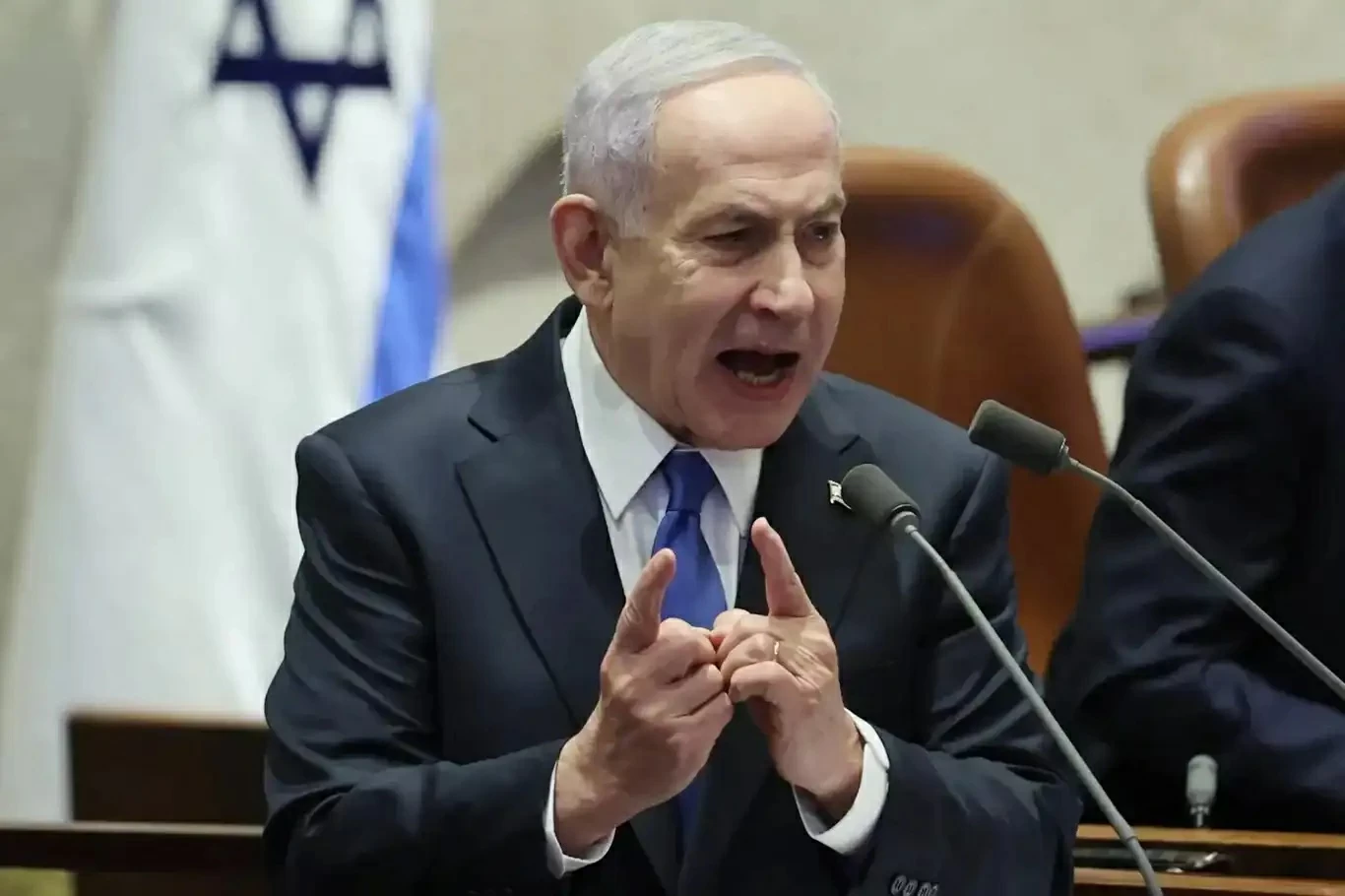
دخلت إسرائيل منعطفاً دبلوماسياً حرجاً مع القارة الأوروبية، إثر تحولات سياسية وتصلب مواقف لدى حلفائها التقليديين، بحسب ما أوردت صحيفة «الغارديان» وموقع «بوليتيكو».
تحول أوروبي جوهري
وقالت صحيفة الغارديان البريطانية إن «الأسبوع السيئ» الذي عاشته الحكومة الإسرائيلية يعد مؤشراً على تحول جوهري نحو فرض عقوبات أوروبية ومراجعة شاملة للعلاقات الثنائية.
واعتبرت التغيير الدراماتيكي في القيادة السياسية في المجر المحرك الرئيسي لهذا التحول؛ فلطالما كان فيكتور أوربان المدافع الأشرس عن إسرائيل داخل المجلس الأوروبي، مستخدماً «حق النقض» لتعطيل أي تحرك جماعي ضدها.
ولفتت إلى أن سقوط أوربان وصعود حكومة جديدة بقيادة بيتر ماجار قد أزال هذه العقبة، وأفادت مديرة برنامج العلاقات الإسرائيلية الأوروبية في المركز البحثي «ميتفيم» مايا سيون-تزيدكياهو، بأن الفيتو المجري كان هو الشيء الوحيد الذي يمنع حزمة العقوبات ضد المستوطنين الإسرائيليين في الضفة الغربية. وتوقعت أن تتماشى الإدارة المجرية الجديدة مع توجهات الاتحاد الأوروبي لمحاسبة المستوطنين المتطرفين في الضفة الغربية.
روما تُعلّق التعاون العسكري
وإيطاليا التي كانت حليفا وثيقاً تحت قيادة جورجيا ميلوني، بدأت في الابتعاد عن الحكومة الإسرائيلية بقيادة بنيامين نتنياهو. واتخذت روما خطوة لافتة بتعليق اتفاقية التعاون الدفاعي مع إسرائيل، وهي خطوة وصفها دبلوماسي أوروبي بأنها «تحذير واضح».
هذا التحول بشكل كبير يعود إلى الضغوط المحلية؛ إذ لفت المؤرخ السياسي لورينزو كاستيلاني إلى أن السياسة الخارجية الإيطالية أصبحت لأول مرة منذ الحرب العالمية الثانية شاغلاً مركزياً للرأي العام الإيطالي، نظراً للتبعات الجيوسياسية والاقتصادية المباشرة للصراع بالشرق الأوسط.
مدريد تقوّض اتفاقية الشراكة
وبلغ التوتر الدبلوماسي بين إسبانيا وإسرائيل ذروته في 19 أبريل 2026، عندما صعّد رئيس الوزراء الإسباني بيدرو سانشيز من لهجته ضد الحكومة الإسرائيلية.
وبحسب بوليتيكو، فقد حث سانشيز الاتحاد الأوروبي على إنهاء «اتفاقية الشراكة» مع إسرائيل، وهي الإطار القانوني الذي ينظم العلاقات التجارية والسياسية بينهما.
وقال خلال تجمع حاشد في إقليم الأندلس إن الحكومة التي تنتهك القانون الدولي أو مبادئ الاتحاد الأوروبي لا يمكن أن تكون شريكاً.
وقدمت إسبانيا، إلى جانب أيرلندا وسلوفينيا، التماساً رسمياً لمسؤولة السياسة الخارجية بالاتحاد الأوروبي كايا كالاس لمراجعة التزامات إسرائيل بحقوق الإنسان، مستشهدين بالأوضاع غير المحتملة في قطاع غزة وتصاعد العنف في الضفة الغربية.
تحويل القوة الاقتصادية لضغط سياسي
وذكرت الغارديان أن الاتحاد الأوروبي يعد الشريك التجاري الأول لإسرائيل، إلى أنه رغم أن الاتحاد واجه تاريخياً صعوبة في تحويل قوته الاقتصادية إلى نفوذ سياسي، إلا أن «خيار ممارسة الضغط عاد إلى الطاولة بقوة».
وتزايدت الضغوط الداخلية في أوروبا نتيجة سلوك وزراء اليمين الإسرائيلي المتطرف، ورغم الزخم المتزايد، يعد تعليق «اتفاقية الشراكة» مع إسرائيل صعباً.
ولفت الموقع الأمريكي إلى أن مثل هذه الخطوة تتطلب إجماع كافة الدول الأعضاء الـ27. ولا تزال مجموعة تقودها ألمانيا تعارض إلغاء الاتفاقية، مفضلة نهجاً أكثر حذراً، إضافة إلى تخوف بعض الدول من أن تؤدي الإجراءات الفورية إلى عرقلة المفاوضات الحساسة الجارية بشأن الجبهة اللبنانية.
إسرائيل في مرمى العقوبات
وحذرت من أن الرأي العام الإسرائيلي لا يزال غافلاً عن مدى اعتماده الاقتصادي على الاتحاد الأوروبي، وأظهر استطلاع لمعهد «ميتفيم» أن 67% من الإسرائيليين يرون الاتحاد «خصماً»، لكن الواقع الدبلوماسي يشير إلى أن استراتيجية «فرق تسد» التي طالما استخدمها نتنياهو قد بلغت نهايتها.
وخلصت الغارديان إلى أنه مع استعداد وزراء خارجية الاتحاد الأوروبي للاجتماع في لوكسمبورغ، الثلاثاء، يبدو أن انتقال القادة الأوروبيين إلى فرض عقوبات مادية على إسرائيل بات أمراً لا مفر منه.
Israel has entered a critical diplomatic turning point with the European continent, following political shifts and a hardening of positions among its traditional allies, according to reports from the “Guardian” newspaper and “Politico” website.
Fundamental European Shift
The British newspaper the Guardian stated that the “bad week” experienced by the Israeli government is an indicator of a fundamental shift towards imposing European sanctions and a comprehensive review of bilateral relations.
It considered the dramatic change in political leadership in Hungary as the main driver of this shift; Viktor Orbán had long been the fiercest defender of Israel within the European Council, using the “veto” to block any collective action against it.
It noted that Orbán’s fall and the rise of a new government led by Péter Márki-Zay may have removed this obstacle. Maya Sion-Tzidkiyahu, director of the Israeli-European relations program at the research center “Mitvim,” stated that the Hungarian veto was the only thing preventing a package of sanctions against Israeli settlers in the West Bank. She predicted that the new Hungarian administration would align with the European Union’s trends to hold extremist settlers in the West Bank accountable.
Rome Suspends Military Cooperation
Italy, which had been a close ally under Giorgia Meloni, has begun to distance itself from the Israeli government led by Benjamin Netanyahu. Rome took a notable step by suspending the defense cooperation agreement with Israel, a move described by a European diplomat as a “clear warning.”
This shift is largely attributed to domestic pressures; political historian Lorenzo Castellani pointed out that Italian foreign policy has become a central concern for Italian public opinion for the first time since World War II, due to the direct geopolitical and economic repercussions of the conflict in the Middle East.
Madrid Undermines the Partnership Agreement
The diplomatic tension between Spain and Israel peaked on April 19, 2026, when Spanish Prime Minister Pedro Sánchez escalated his rhetoric against the Israeli government.
According to Politico, Sánchez urged the European Union to end the “Partnership Agreement” with Israel, which is the legal framework governing their trade and political relations.
During a rally in the Andalusia region, he stated that a government that violates international law or European Union principles cannot be a partner.
Spain, along with Ireland and Slovenia, has submitted a formal petition to the EU’s foreign policy chief, Josep Borrell, to review Israel’s commitments to human rights, citing the untenable conditions in the Gaza Strip and the rising violence in the West Bank.
Transforming Economic Power into Political Pressure
The Guardian reported that the European Union is Israel’s primary trading partner, and although the EU has historically struggled to translate its economic power into political leverage, the “option of exerting pressure is back on the table with force.”
Internal pressures in Europe have increased due to the behavior of far-right Israeli ministers, and despite the growing momentum, suspending the “Partnership Agreement” with Israel is challenging.
The American site noted that such a step requires consensus from all 27 member states. A group led by Germany still opposes canceling the agreement, preferring a more cautious approach, along with concerns from some countries that immediate actions could disrupt sensitive ongoing negotiations regarding the Lebanese front.
Israel in the Crosshairs of Sanctions
It warned that Israeli public opinion remains unaware of its economic dependence on the European Union, with a survey from the “Mitvim” Institute showing that 67% of Israelis view the EU as an “adversary,” but the diplomatic reality indicates that Netanyahu’s long-used “divide and conquer” strategy has reached its end.
The Guardian concluded that as EU foreign ministers prepare to meet in Luxembourg on Tuesday, it seems that the transition of European leaders towards imposing material sanctions on Israel has become inevitable.
للمزيد من المقالات
اضغط هنا