
رغم ارتفاع تكلفة الشحن.. هل أصبح «البري» بديلاً لـ«هرمز»؟ – أخبار السعودية
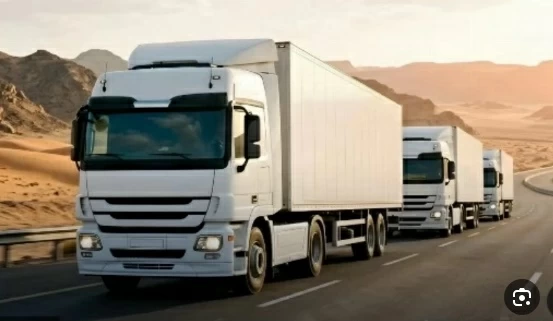
مع إطالة أمد الصراع بين الولايات المتحدة وإسرائيل وإيران، وإغلاق مضيق هرمز للشهر الثاني، يتجه منتجو مختلف السلع، من المعادن إلى المنتجات الاستهلاكية، في منطقة الخليج العربي، إلى النقل البري؛ سعياً لضمان استمرار تدفق منتجاتهم.
وبدأت بعض أكبر شركات نقل الحاويات في العالم تقديم خدمات النقل بالشاحنات. وأكدت شركات نقل بري محلية زيادة كبيرة في الطلب، رغم ارتفاع أسعار الشحن برياً.
ومع تقييد حركة المرور عبر المضيق، حلت موانئ جدة على ساحل البحر الأحمر، وصلالة وصحار على ساحل بحر العرب العماني، محل موانئ الخليج العربي، مثل جبل علي في الإمارات، كممرات رئيسية للتجارة في المنطقة.
إرشادات ومسارات
شركات متخصصة ومقرها أوروبا أعلنت أخيراً، أنها أنشأت مسارات نقل برية عبر السعودية وعُمان، إضافة إلى خطوط تربط من وإلى البحرين والكويت والإمارات وقطر، إضافة لإصدارها إرشادات توضح حلولاً برية لنقل الشحنات عبر المنطقة.
وأوضح الرئيس التنفيذي لإحدى الشركات المتخصصة غاوراف بيسواس أنه بفضل الشاحنات التي تربط المناطق الداخلية بالموانئ يُمكن تجنب مضيق هرمز والبحر الأحمر إلى حد كبير.
وأفاد أن شحنات التجزئة والتجارة الإلكترونية فقط هي التي انخفضت منذ بداية حرب إيران.
قفزة بالأسعار
ومع إطالة أمد الحرب، اتجهت شركات نقل بري إلى التسعير الفوري اليومي بدلاً من العقود طويلة الأجل، مع ارتفاع الأسعار بنسبة تصل إلى 120%؛ نتيجة زيادة أسعار الوقود وانخفاض المعروض، إلى جانب القيود التشغيلية في الموانئ والتحول إلى رحلات طويلة.
وفيما يخص التأثير على سلاسل الإمداد إقليميا وعالمياً، أوضح محللون متخصصون بالقطاع أن الاعتماد على الطرق البرية كبديل إستراتيجي لمضيق هرمز ينقل سلاسل الإمداد من نموذج الكفاءة إلى نموذج المرونة، إذ إن الاقتصاد العالمي يتجه نحو بنية أقل مركزية، وأكثر استقطاباً، وذات كلفة هيكلية أعلى، مع صعود آمن الطاقة من كونه عاملاً ضمن معادلة السياسة الاقتصادية إلى كونه محدداً رئيسياً لها.
وأفادوا أن تحويل هذه المسارات إلى بدائل فعلية يتطلب استثمارات كثيفة، ليس فقط في البنية التحتية، بل أيضاً في الأنظمة التشغيلية والتنسيق اللوجستي.
ترتيبات ثنائية
وذكر محللون أن النظام التجاري متعدد الأطراف، الذي كان يوفر مظلة للتنسيق في الأزمات، يشهد تراجعاً في فعاليته، ما يفرض على الدول والشركات الاعتماد بشكل أكبر على ترتيبات ثنائية وإقليمية لإدارة المخاطر.
يذكر أن الهيئة العامة للنقل أعلنت في وقت سابق أن أسطول النقل البري في السعودية يتجاوز نصف مليون شاحنة، وقادر على نقل كافة أنواع البضائع لتلبية الطلب في دول مجلس التعاون الخليجي.
وأوضحت الهيئة أن الظروف الراهنة للنقل الجوي والبحري في الخليج أدت إلى اعتماد أكبر على النقل البري بين دول المجلس. وأشارت إلى اعتماد الموانئ على البحر الأحمر في السعودية لاستقبال البضائع ونقلها برياً داخل المملكة ودول الخليج.
As the conflict between the United States, Israel, and Iran prolongs, and the Strait of Hormuz remains closed for the second month, producers of various goods, from metals to consumer products, in the Arabian Gulf region are turning to land transport; in an effort to ensure the continued flow of their products.
Some of the largest container shipping companies in the world have begun offering trucking services. Local land transport companies have confirmed a significant increase in demand, despite rising land shipping costs.
With traffic through the strait restricted, the ports of Jeddah on the Red Sea coast, Salalah, and Sohar on the coast of the Arabian Sea in Oman have replaced Gulf ports, such as Jebel Ali in the UAE, as major trade corridors in the region.
Guidelines and Routes
Specialized companies based in Europe recently announced that they have established land transport routes through Saudi Arabia and Oman, in addition to lines connecting to and from Bahrain, Kuwait, the UAE, and Qatar, along with issuing guidelines outlining land solutions for transporting shipments across the region.
The CEO of one specialized company, Gaurav Biswas, explained that thanks to trucks connecting inland areas to ports, it is possible to largely avoid the Strait of Hormuz and the Red Sea.
He noted that only retail and e-commerce shipments have declined since the beginning of the Iran war.
Price Surge
As the war prolongs, land transport companies have shifted to daily spot pricing instead of long-term contracts, with prices rising by up to 120%; due to increased fuel prices and reduced supply, along with operational constraints at ports and the shift to longer trips.
Regarding the impact on supply chains regionally and globally, analysts specialized in the sector explained that reliance on land routes as a strategic alternative to the Strait of Hormuz shifts supply chains from an efficiency model to a resilience model, as the global economy moves towards a less centralized, more fragmented structure, with higher structural costs, as energy security rises from being a factor in the economic policy equation to being a key determinant of it.
They stated that transforming these routes into actual alternatives requires significant investments, not only in infrastructure but also in operational systems and logistical coordination.
Bi-lateral Arrangements
Analysts mentioned that the multilateral trading system, which used to provide a framework for coordination during crises, is witnessing a decline in its effectiveness, forcing countries and companies to rely more on bilateral and regional arrangements to manage risks.
It is noteworthy that the Public Transport Authority previously announced that the land transport fleet in Saudi Arabia exceeds half a million trucks, capable of transporting all types of goods to meet demand in the Gulf Cooperation Council countries.
The authority clarified that the current conditions for air and sea transport in the Gulf have led to a greater reliance on land transport between the council’s countries. It pointed out the reliance of ports on the Red Sea in Saudi Arabia to receive goods and transport them by land within the kingdom and Gulf countries.
للمزيد من المقالات
اضغط هنا