
أوروبا على حافة أزمة حادة.. مخزونات الغاز تصل أدنى مستوى في 5 سنوات – أخبار السعودية
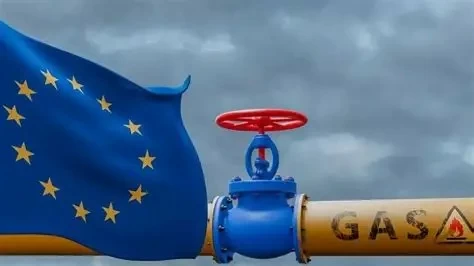
أظهرت بيانات رسمية صادرة عن رابطة مشغلي البنية التحتية للغاز في أوروبا تراجعاً حاداً في نسبة امتلاء المستودعات الجوفية للغاز الطبيعي في القارة، حيث استقرت عند 32.73% بنهاية أبريل الماضي.
ويُعد هذا المستوى الأدنى الذي تسجله احتياطيات الغاز الأوروبية منذ خمس سنوات، ويعكس تراجعاً ملحوظاً مقارنة بالفترة نفسها من العام الماضي الذي بلغت فيه نسبة الامتلاء 39.52%. أما في عام 2024 فقد كانت النسبة 62.44%، وفي 2023 سجلت 59.73%.
ولم تقترب المستودعات من هذا المستوى المتدني إلا في عام 2022، حين بلغت 33.47% في ذروة أزمة الطاقة التي أعقبت النزاع الروسي الأوكراني وتقلص الإمدادات الروسية.
وفي سياق متصل، أطلقت شركة غازبروم الروسية تحذيرات مبكرة من تداعيات هذا التراجع، محذرة من أن تدني مستويات التخزين الحالية سيصعب على الدول الأوروبية إعادة ملء مستودعاتها بوتيرة كافية قبل موسم الشتاء القادم، مما يهدد باستمرار حالة عدم الاستقرار في أسواق الغاز الأوروبية وارتفاع الأسعار بشكل حاد.
وأظهر التقرير استمرار بعض الدول الأوروبية في عمليات السحب الصافي من المستودعات حتى بعد انقضاء شهر أبريل، خلافاً للأنماط الموسمية التقليدية التي تشهد عادة بدء مرحلة الحقن وإعادة التعبئة مع بداية الربيع وارتفاع درجات الحرارة وانخفاض الطلب على التدفئة.
ويثير هذا الوضع مخاوف جدية لدى الحكومات والمستهلكين الأوروبيين، خاصة مع اقتراب فصل الشتاء الذي يشهد عادة ذروة الاستهلاك، حيث كانت أوروبا قد عانت في شتاء 2022-2023 من ارتفاع حاد في أسعار الطاقة، مما دفع العديد من الدول إلى اتخاذ إجراءات تقشفية ودعم حكومي للمواطنين والصناعات.
Official data released by the European Gas Infrastructure Operators Association has shown a sharp decline in the filling level of underground natural gas storage in the continent, which settled at 32.73% by the end of last April.
This is the lowest level recorded for European gas reserves in five years, reflecting a significant decrease compared to the same period last year when the filling level was 39.52%. In 2024, the percentage was 62.44%, and in 2023 it was recorded at 59.73%.
The storage facilities only approached this low level in 2022, when it reached 33.47% at the peak of the energy crisis that followed the Russian-Ukrainian conflict and the reduction of Russian supplies.
In a related context, the Russian company Gazprom has issued early warnings about the repercussions of this decline, cautioning that the current low storage levels will make it difficult for European countries to refill their storage facilities at a sufficient pace before the upcoming winter season, threatening to perpetuate instability in European gas markets and sharply increase prices.
The report indicated that some European countries continued to draw net from the storage facilities even after the end of April, contrary to traditional seasonal patterns that usually see the start of the injection and refilling phase with the arrival of spring, rising temperatures, and decreased heating demand.
This situation raises serious concerns among European governments and consumers, especially with the approach of winter, which typically sees peak consumption. Europe had experienced a sharp rise in energy prices during the winter of 2022-2023, prompting many countries to implement austerity measures and provide government support to citizens and industries.
للمزيد من المقالات
اضغط هنا