
لا تشتريها في 2026.. سيارات كنت تحلم بها تحوّلت إلى «خردة» في المعارض – أخبار السعودية
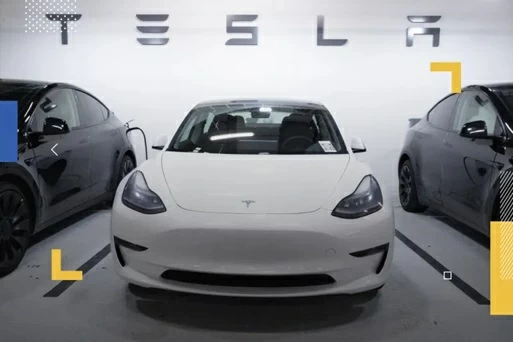
شيء غريب يحدث في معارض السيارات حول العالم، سيارات فاخرة، لامعة، وحديثة تقف في الصالات بلا مشترين. بعضها كهربائي بمئات الآلاف من الدولارات، وبعضها أسماء عريقة عمرها عقود، لكنها جميعاً تواجه مصيراً واحداً: فلا أحد يريدها. 2026 ليس عاماً عادياً في سوق السيارات، بل هو العام الذي تتساقط فيه أسماء كبيرة كأوراق الخريف.
سقوط الأساطير
لم تعد العلامة التجارية وحدها تكفي لإغراء المشتري. Tesla Model S التي كانت الشرارة الأولى لعصر السيارات الكهربائية، باتت تعاني من «أزمة هوية» أمام منافسين يقدمون مقصورات أكثر فخامة وتقنيات أذكى بأسعار أقل. وبالمثل، تعاني Audi Q8 e-tron؛ فبريق اسم «أودي» لم يعد قادراً على تغطية تراجع منصتها الكهربائية جيلاً كاملاً عن المنافسين، لدرجة أدت إلى إغلاق مصنعها، وهو ما يعد «ضربة قاضية» لثقة المشتري.
في هذه السوق المزدحمة، لم يعد التصميم وحده يكفي. Polestar 4 رغم جمالها الأخاذ، لا تجد سبباً منطقياً للمشتري ليختارها وسط عشرات الخيارات المتفوقة. أما Volkswagen ID. Buzz فتقدم لنا درساً قاسياً: «الحب وحده لا يغلق الصفقات»، فالسعر المرتفع جعلها حُلماً عصياً على التحقق للمشترين.
وتؤكد سيارات مثل Chevrolet Malibu وSubaru Legacy وVolvo S90 أننا نعيش نهاية حقبة السيدان. المستهلك اليوم لم يعد يلتفت لسيارات السيدان التقليدية، إذ انتقل الجمهور كلياً إلى «الكروس أوفر» و«الـ SUV»، التي توفر مساحة أكبر وقيمة إعادة بيع أفضل.
لماذا ترفض الأسواق هذه السيارات؟
بعيداً عن العيوب التقنية، تموت هذه السيارات لأسباب استراتيجية:
- الخوف من المستقبل: خبر توقف إنتاج سيارة مثل Nissan Ariya يجعل المشتري يهرب فوراً؛ خوفاً من فقدان قطع الغيار.
- المنطقة الرمادية: سيارات مثل Dodge Hornet وNissan Versa تقع في فخ، فهي ليست رخيصة بما يكفي لتكون خياراً اقتصادياً، وليست مميزة بما يكفي لتنافس في الجودة.
- تغير أولويات المستهلك: المشتري في 2026 يريد تقنية ذكية، وشحناً فائق السرعة، ومساحة تخزين مرنة، وأي سيارة لا تقدم هذه المعادلة الذهبية تجد نفسها خارج المنافسة.
إن ما يحدث اليوم هو رسالة تحذير لكل مشترٍ مفادها أن سوق السيارات يتغير بشكل جذري. والسؤال الذي يجب أن تطرحه قبل التوقيع على عقد شراء أي سيارة في 2026 ليس «هل هي جميلة؟»، بل «هل ستكون مرغوبة في السوق بعد 5 سنوات؟».
فالسوق اليوم لا ترحم، والموديلات التي لا تقدم قيمة حقيقية للمستقبل، تجد نفسها اليوم تقبع في صالات العرض بانتظار «مشترٍ» لا يأتي.
Something strange is happening in car dealerships around the world: luxurious, shiny, and modern cars are sitting in showrooms without buyers. Some are electric and cost hundreds of thousands of dollars, while others are prestigious names with decades of history, yet they all face the same fate: no one wants them. 2026 is not an ordinary year in the car market; it is the year when big names are falling like autumn leaves.
The Fall of Legends
The brand alone is no longer enough to entice buyers. The Tesla Model S, which was the spark that ignited the electric car era, is now suffering from an “identity crisis” in the face of competitors offering more luxurious interiors and smarter technologies at lower prices. Similarly, the Audi Q8 e-tron is struggling; the shine of the “Audi” name is no longer able to cover the fact that its electric platform has fallen a whole generation behind competitors, to the extent that it led to the closure of its factory, which is considered a “knockout blow” to buyer confidence.
In this crowded market, design alone is no longer sufficient. The Polestar 4, despite its stunning beauty, fails to provide a logical reason for buyers to choose it among dozens of superior options. Meanwhile, the Volkswagen ID. Buzz teaches us a harsh lesson: “Love alone doesn’t close deals,” as its high price has made it a dream that is hard to realize for buyers.
Cars like the Chevrolet Malibu, Subaru Legacy, and Volvo S90 confirm that we are witnessing the end of the sedan era. Today’s consumer no longer pays attention to traditional sedans, as the public has completely shifted to crossovers and SUVs, which offer more space and better resale value.
Why Are Markets Rejecting These Cars?
Apart from technical flaws, these cars are dying for strategic reasons:
- Fear of the future: News of the cessation of production for a car like the Nissan Ariya makes buyers flee immediately, fearing the loss of spare parts.
- The gray area: Cars like the Dodge Hornet and Nissan Versa fall into a trap; they are not cheap enough to be considered economical, nor distinctive enough to compete on quality.
- Changing consumer priorities: A buyer in 2026 wants smart technology, ultra-fast charging, and flexible storage space, and any car that does not offer this golden equation finds itself out of competition.
What is happening today is a warning message to every buyer that the car market is changing radically. The question you should ask before signing a purchase contract for any car in 2026 is not “Is it beautiful?” but “Will it be desirable in the market after 5 years?”.
For the market today is unforgiving, and models that do not offer real value for the future find themselves sitting in showrooms waiting for a “buyer” who does not come.
للمزيد من المقالات
اضغط هنا