
اكتشاف غير مسبوق.. بردية من «الإلياذة» داخل مومياء مصرية – أخبار السعودية
تمكّن علماء آثار من اكتشاف جزء من بردية تعود إلى ملحمة «الإلياذة» للشاعر الإغريقي هوميروس داخل أحشاء مومياء مصرية قديمة، في واقعة تُعد الأولى من نوعها التي يُعثر فيها على نص أدبي يوناني ضمن مواد التحنيط.
ويحمل هذا الاكتشاف دلالات مهمة على فهم الممارسات الجنائزية والطقوس الدينية في مصر القديمة، إذ يفتح نافذة جديدة على العلاقة بين الثقافة المصرية واليونانية في تلك الحقبة.
ووفقاً للتفاصيل، عُثر على قطعة البردي داخل مومياء دُفنت في مقبرة تعود إلى العصر الروماني بمدينة أوكسيرينخوس قبل نحو 1600 عام، وهي المدينة المعروفة تاريخياً باسم «بر-مدجد»، التي تُعد من أبرز مدن مصر اليونانية الرومانية القديمة. وتقع أطلالها حالياً في منطقة البهنسا على بعد نحو 190 كيلومتراً جنوب القاهرة، بالقرب من فرع النيل المعروف ببحر يوسف، بحسب ما نقلته صحيفة «إندبندنت».
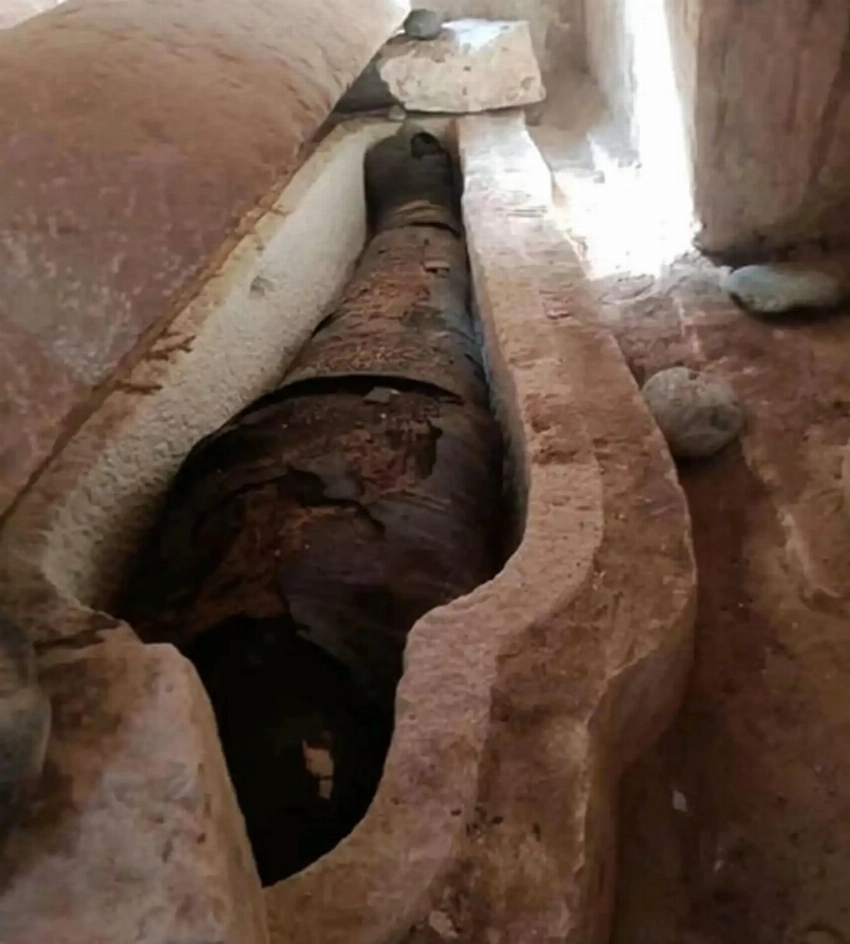
وجاء الاكتشاف خلال أعمال تنقيب حديثة نفذها باحثون من معهد دراسات الشرق الأدنى القديم بجامعة برشلونة خلال الفترة بين نوفمبر وديسمبر 2025، وتبين أن المومياء احتوت على مادة غير معتادة داخل منطقة البطن، تمثلت في ورق بردي وُضع ضمن طقوس التحنيط.
وكان من المعروف سابقاً أن بعض المومياوات من تلك الحقبة تحتوي على برديات مكتوبة باللغة اليونانية، إلا أنها كانت تقتصر عادة على نصوص سحرية أو طقسية.
ولا يزال الباحثون غير متأكدين من السبب الذي دفع إلى اختيار هذا النص الأدبي تحديداً لاستخدامه في عملية التحنيط، وهو ما يفتح الباب أمام مزيد من التساؤلات حول دلالات هذا الاكتشاف الفريد.
Archaeologists have managed to discover a fragment of a papyrus belonging to the epic “Iliad” by the Greek poet Homer inside the entrails of an ancient Egyptian mummy, in what is considered the first instance of finding a Greek literary text among embalming materials.
This discovery carries significant implications for understanding funerary practices and religious rituals in ancient Egypt, as it opens a new window on the relationship between Egyptian and Greek culture during that era.
According to the details, the piece of papyrus was found inside a mummy buried in a tomb dating back to the Roman era in the city of Oxyrhynchus about 1600 years ago, which is historically known as “Per-Medjed,” one of the most prominent cities of ancient Greek-Roman Egypt. Its ruins are currently located in the Bahnasah area, about 190 kilometers south of Cairo, near the Nile branch known as the Sea of Joseph, according to what was reported by the “Independent” newspaper.
The discovery came during recent excavation work conducted by researchers from the Institute of Ancient Near Eastern Studies at the University of Barcelona between November and December 2025, and it was found that the mummy contained an unusual substance inside the abdominal area, represented by papyrus placed within the embalming rituals.
It was previously known that some mummies from that era contained papyri written in Greek, but they typically consisted of magical or ritual texts.
Researchers are still uncertain about the reason for choosing this specific literary text for use in the embalming process, which raises further questions about the implications of this unique discovery.
للمزيد من المقالات
اضغط هنا