
سر الاستيقاظ الثالثة فجراً.. هل تحدث معك؟ – أخبار السعودية
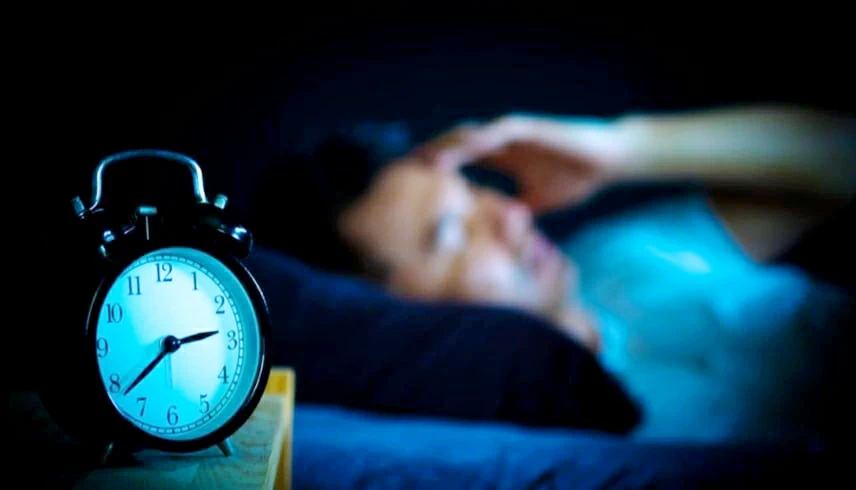
تتكرر لحظة الاستيقاظ المفاجئ في عمق الليل لدى كثيرين، خصوصاً قرب الثالثة فجراً، حيث يتحول السكون إلى مساحة مفتوحة للأفكار، في ظاهرة يفسرها العلم بدورات النوم والتغيرات الهرمونية وتأثير العادات اليومية على جودة الراحة.
يوضح المتخصصون، أن النوم لا يسير بخط مستقيم، بل يمر بدورات تمتد بين 90 و110 دقائق، يتنقل خلالها الدماغ بين النوم الخفيف والعميق وحركة العين السريعة، ومع اقتراب الصباح تقل فترات النوم العميق، ليصبح الاستيقاظ في هذه المرحلة أمراً طبيعياً، إذ يمر البالغ عادة بين 4 و6 دورات تنتهي كل منها بمرحلة نوم خفيف تزيد فيها احتمالية الانتباه.
في هذا التوقيت تحديداً، يبدأ الجسم برفع مستوى هرمون الكورتيزول، وهو هرمون اليقظة الذي يهيئ الإنسان لبداية يومه، لكن وجود ضغوط نفسية أو تفكير متراكم يحوّل هذه اليقظة العابرة إلى حالة ذهنية نشطة، تتضخم فيها الأفكار وتبدو أكثر حدة، خصوصاً في غياب المشتتات الليلية، بحسب ما أورده موقع ساينس أليرت.
ولا تقف الأسباب عند الجانب البيولوجي، إذ تلعب العادات اليومية دوراً مباشراً في هذه الظاهرة، فالكافيين يبقى في الجسم لساعات طويلة، وقد يؤثر على النوم حتى بعد ست ساعات من تناوله، فيما تساهم الكحول في تقطيع النوم خلال النصف الثاني من الليل رغم مساعدته على الاستغراق في بدايته.
The moment of sudden awakening in the depths of the night is repeated for many, especially around three in the morning, when silence transforms into an open space for thoughts. This phenomenon is explained by science through sleep cycles, hormonal changes, and the impact of daily habits on the quality of rest.
Specialists clarify that sleep does not proceed in a straight line; rather, it goes through cycles that last between 90 and 110 minutes, during which the brain shifts between light and deep sleep and rapid eye movement. As morning approaches, the periods of deep sleep decrease, making awakening at this stage a natural occurrence, as adults typically go through between 4 and 6 cycles, each ending with a light sleep phase where the likelihood of awareness increases.
At this specific time, the body begins to raise the level of cortisol, which is the wakefulness hormone that prepares a person for the start of their day. However, the presence of psychological stress or accumulated thoughts transforms this fleeting wakefulness into an active mental state, where thoughts become amplified and appear sharper, especially in the absence of nighttime distractions, according to what was reported by Science Alert.
The reasons do not stop at the biological aspect; daily habits also play a direct role in this phenomenon. Caffeine remains in the body for long hours and can affect sleep even six hours after consumption, while alcohol contributes to fragmented sleep during the second half of the night, despite helping to fall asleep at the beginning.
للمزيد من المقالات
اضغط هنا