
واشنطن توسع نطاق الحصار البحري.. هيغسيث: مستعدون للقتال إذا لجأت إيران للخيار الخاطئ – أخبار السعودية
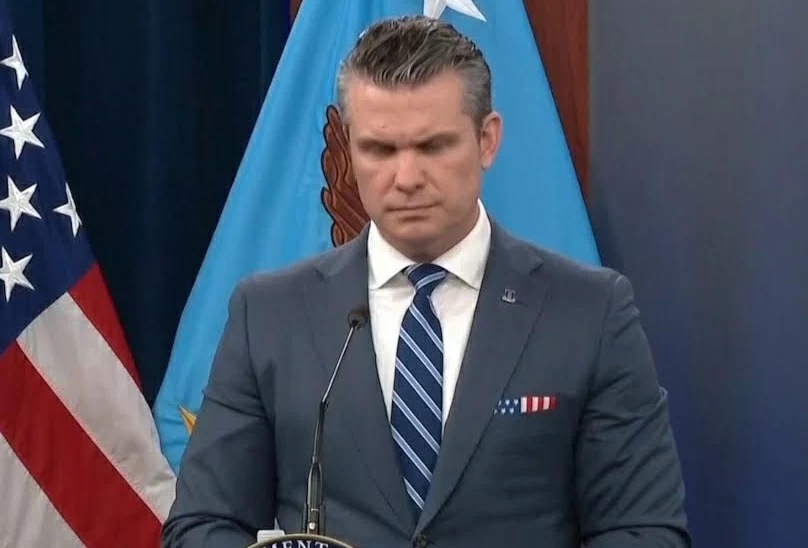
أعلن وزير الحرب الأمريكي بيت هيغسيث، اليوم (الخميس)، أن القوات الأمريكية في المنطقة في حالة استعداد كامل لاستئناف العمليات القتالية، في حال اختارت إيران ما وصفه بـ«الخيار الخاطئ» ورفضت التوصل إلى اتفاق.
وقال هيغسيث، في إحاطة صحفية في البنتاغون، إن «رسالتنا إلى إيران هي أننا نراقبكم وندرك طبيعة الأصول العسكرية التي يتم نقلها»، مضيفاً أن الولايات المتحدة تتابع عن كثب تحركات طهران، بما في ذلك إعادة تشغيل منصات إطلاق صواريخ كانت قد استُهدفت سابقاً.
رسائل عسكرية وتحذيرات مباشرة
وأشار هيغسيث إلى أن الجيش الأمريكي «يعيد بناء قدراته بقوة أكبر من السابق»، لافتاً إلى أن إيران «تدّعي السيطرة على مضيق هرمز لكنها لا تمتلك أسطولاً بحرياً فعلياً».
ووصف تهديد السفن التجارية بأنه «ليس سيطرة بل قرصنة»، مؤكداً أن قطاع الطاقة «لم يتأثر بالكامل بعد»، وأن الحصار الأمريكي أدى إلى تعطيل الصادرات الإيرانية.
حصار بحري مستمر وتوسيع العمليات
وشدد وزير الحرب الأمريكي على أن الولايات المتحدة ستواصل الحصار المفروض على الموانئ الإيرانية «مهما طال الزمن»، مؤكداً أن البحرية الأمريكية تسيطر على حركة الملاحة في مضيق هرمز بفضل تفوقها البحري.
وأوضح أنه تلقى إحاطة من قائد القيادة المركزية الأمريكية بشأن تفاصيل عملية أطلق عليها اسم «الغضب الملحمي».
القيادة الأمريكية: تشديد الخناق على إيران
من جانبه، قال رئيس هيئة الأركان الأمريكية المشتركة إن السفن الإيرانية «بدأت تشعر بشدة تأثير الحصار»، مضيفاً أن القوات الأمريكية «تخنق السفن التي تحاول خرق القيود المفروضة على الموانئ الإيرانية».
وكشف أن أكثر من 10 آلاف جندي وبحّار يشاركون في عمليات الحصار البحري، موضحاً أن الحصار يستهدف الموانئ الإيرانية وليس مضيق هرمز.
توسيع الحصار على الشحنات والمواد
وأعلن الجيش الأمريكي توسيع نطاق الحصار ليشمل الشحنات الإيرانية، بما في ذلك المواد المهربة مثل الذخائر والأسلحة، إضافة إلى النفط والمنتجات المكررة والمعادن مثل الحديد والصلب والألمنيوم.
وأشار إلى أن السفن المشتبه في نقلها مواد إلى إيران تخضع لعمليات تفتيش واحتجاز بغض النظر عن موقعها، في إطار تشديد القيود البحرية المفروضة.
U.S. Secretary of War Pete Hegseth announced today (Thursday) that American forces in the region are in full readiness to resume combat operations if Iran chooses what he described as the “wrong option” and refuses to reach an agreement.
Hegseth stated in a press briefing at the Pentagon that “our message to Iran is that we are watching you and are aware of the nature of the military assets being transferred,” adding that the United States is closely monitoring Tehran’s movements, including the reactivation of missile launch platforms that had previously been targeted.
Military Messages and Direct Warnings
Hegseth pointed out that the U.S. military is “rebuilding its capabilities stronger than before,” noting that Iran “claims to control the Strait of Hormuz but does not possess an actual naval fleet.”
He described the threat to commercial vessels as “not control but piracy,” emphasizing that the energy sector “has not been fully affected yet,” and that the American blockade has disrupted Iranian exports.
Ongoing Maritime Blockade and Expansion of Operations
The U.S. Secretary of War stressed that the United States will continue the blockade imposed on Iranian ports “no matter how long it takes,” affirming that the U.S. Navy controls navigation in the Strait of Hormuz thanks to its maritime superiority.
He explained that he received a briefing from the commander of U.S. Central Command regarding the details of an operation dubbed “Epic Fury.”
U.S. Command: Tightening the Noose on Iran
For his part, the Chairman of the Joint Chiefs of Staff stated that Iranian vessels “have begun to feel the strong impact of the blockade,” adding that U.S. forces “are choking the ships that attempt to breach the restrictions imposed on Iranian ports.”
He revealed that more than 10,000 soldiers and sailors are participating in the maritime blockade operations, clarifying that the blockade targets Iranian ports and not the Strait of Hormuz.
Expanding the Blockade on Shipments and Materials
The U.S. military announced the expansion of the blockade to include Iranian shipments, including smuggled materials such as munitions and weapons, in addition to oil, refined products, and metals such as iron, steel, and aluminum.
He noted that ships suspected of transporting materials to Iran are subject to inspection and detention regardless of their location, as part of tightening the imposed maritime restrictions.
للمزيد من المقالات
اضغط هنا