
قضية بيع تذكارات أولمبية تهز الأوساط الرياضية الفرنسية – أخبار السعودية
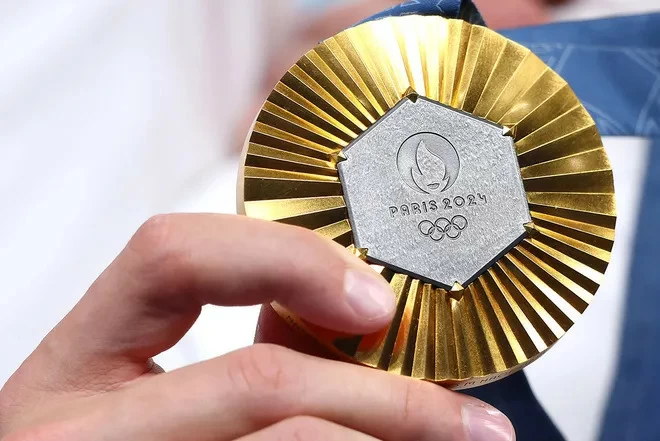
أثارت قضية بيع مقتنيات مرتبطة بدورة الألعاب الأولمبية باريس 2024 جدلاً واسعاً في الأوساط الرياضية والإعلامية الفرنسية، بعد أن كشفت تقارير صحافية، أبرزها ما نشرته صحيفة ليكيب، تورط مسؤول رياضي بارز في إعادة بيع قطع يُعتقد أنه حصل عليها في سياق عمله داخل المنظومة الأولمبية.
وبحسب ما أوردته التقارير، فإن رئيس الاتحاد الفرنسي لرفع الأثقال نائب رئيس اللجنة الوطنية الأولمبية والرياضية الفرنسية ستيفان هاتو يُشتبه في قيامه بعرض عدد من المقتنيات الرسمية الخاصة بالألعاب عبر الإنترنت مستخدماً اسماً مستعاراً، وذلك بعد حصوله عليها خلال فترة تنظيم الأولمبياد، في بعض الحالات مجاناً أو مقابل أسعار رمزية.
وتشير المعطيات المتداولة إلى أن المعروضات شملت عناصر ذات طابع رمزي مرتبط بحفل الافتتاح، من بينها أزياء استعراضية استُخدمت في عروض مستوحاة من التاريخ الفرنسي، إضافة إلى قبعة نادرة قُدمت حصرياً للرياضيين البارالمبيين الحاصلين على الميدالية الذهبية، فضلاً عن علبة فاخرة مخصصة لحفظ الميداليات، وقطع أخرى من تجهيزات الفعاليات، من بينها كرسي استُخدم في منافسات كرة السلة، عُرضت بأسعار وصلت في بعض الحالات إلى نحو ألف يورو.
وتضيف التقارير أن هذه المقتنيات كانت تُمنح عادة في إطار بروتوكولات تنظيمية أو كهدايا تذكارية مرتبطة بالألعاب، قبل أن يُعاد تداولها لاحقاً خارج القنوات الرسمية، في سوق غير رسمية عبر منصات البيع الإلكترونية.
في المقابل، نفى هاتو، وفق ما نقلته وسائل إعلام فرنسية، وجود أي نية لتحقيق ربح مالي غير مشروع، مؤكداً أن نشاطه يندرج ضمن اهتمام شخصي بجمع التذكارات الرياضية، وأنه يحتفظ بمجموعة واسعة من القطع المرتبطة بتاريخ الرياضة الأولمبية، في إطار ما وصفه بالحفاظ على الذاكرة الرياضية.
من جانبها، أعلنت اللجنة الوطنية الأولمبية والرياضية الفرنسية أنها لم تكن على علم مسبق بهذه الوقائع، مشيرة إلى فتح تحقيق داخلي لتحديد ملابسات ما جرى، وللتأكد مما إذا كانت هناك أية خروقات لقواعد الحوكمة أو تضارب محتمل في المصالح داخل هياكلها الإدارية.
وتأتي هذه التطورات في وقت يشهد فيه إرث أولمبياد باريس 2024 اهتماماً متزايداً بإعادة تدوير وبيع مقتنيات الألعاب عبر مزادات رسمية وجهات معتمدة، خُصصت عائداتها لأغراض خيرية أو تنظيمية، غير أن ما يثير الجدل في هذه القضية تحديداً هو الطابع الفردي غير الرسمي لعمليات البيع، واحتمال ارتباطها بموقع وظيفي داخل مؤسسة أولمبية يفترض أن تخضع لمعايير صارمة من الشفافية والنزاهة.
وبينما لا تزال التحقيقات في مراحلها الأولية، فإن القضية فتحت نقاشاً أوسع داخل فرنسا حول حدود التعامل مع تذكارات الأحداث الرياضية الكبرى، والفاصل الدقيق بين الاقتناء المشروع والاستفادة الشخصية من مقتنيات ذات طابع مؤسسي ورمزي حساس.
The issue of selling items related to the Paris 2024 Olympic Games has sparked widespread controversy in French sports and media circles, after reports revealed, notably one published by L’Équipe, the involvement of a prominent sports official in reselling items believed to have been obtained in the course of his work within the Olympic system.
According to the reports, Stéphane Hato, the president of the French Weightlifting Federation and vice president of the French National Olympic and Sports Committee, is suspected of having offered a number of official Olympic items for sale online using a pseudonym, after acquiring them during the organization of the Games, in some cases for free or for symbolic prices.
The circulating information indicates that the items on offer included symbolic elements related to the opening ceremony, such as costumes used in performances inspired by French history, in addition to a rare hat presented exclusively to Paralympic athletes who won gold medals, as well as a luxurious box designed for storing medals, and other pieces of event equipment, including a chair used in basketball competitions, which were listed for prices reaching around one thousand euros in some cases.
Reports further add that these items were typically given as part of organizational protocols or as commemorative gifts related to the Games, before being resold later outside official channels, in an unofficial market through online selling platforms.
In contrast, Hato denied, according to French media reports, any intention to achieve illegal financial gain, asserting that his activity falls within a personal interest in collecting sports memorabilia, and that he retains a wide collection of items linked to the history of the Olympic sport, as part of what he described as preserving sports memory.
For its part, the French National Olympic and Sports Committee announced that it was not previously aware of these events, indicating that an internal investigation has been opened to determine the circumstances of what occurred, and to ensure that there were no violations of governance rules or potential conflicts of interest within its administrative structures.
These developments come at a time when the legacy of the Paris 2024 Olympics is witnessing increasing interest in recycling and selling Olympic items through official auctions and accredited entities, with proceeds designated for charitable or organizational purposes. However, what raises controversy in this particular case is the informal individual nature of the sales operations and the potential connection to a job position within an Olympic institution that is supposed to adhere to strict standards of transparency and integrity.
While investigations are still in their early stages, the case has opened a broader discussion within France about the boundaries of dealing with memorabilia from major sporting events, and the fine line between legitimate acquisition and personal benefit from items of institutional and sensitive symbolic nature.
للمزيد من المقالات
اضغط هنا