
انطلاقة جديدة نحو المجهول.. «سبيس إكس» ترسل شحنة علمية ضخمة إلى الفضاء – أخبار السعودية
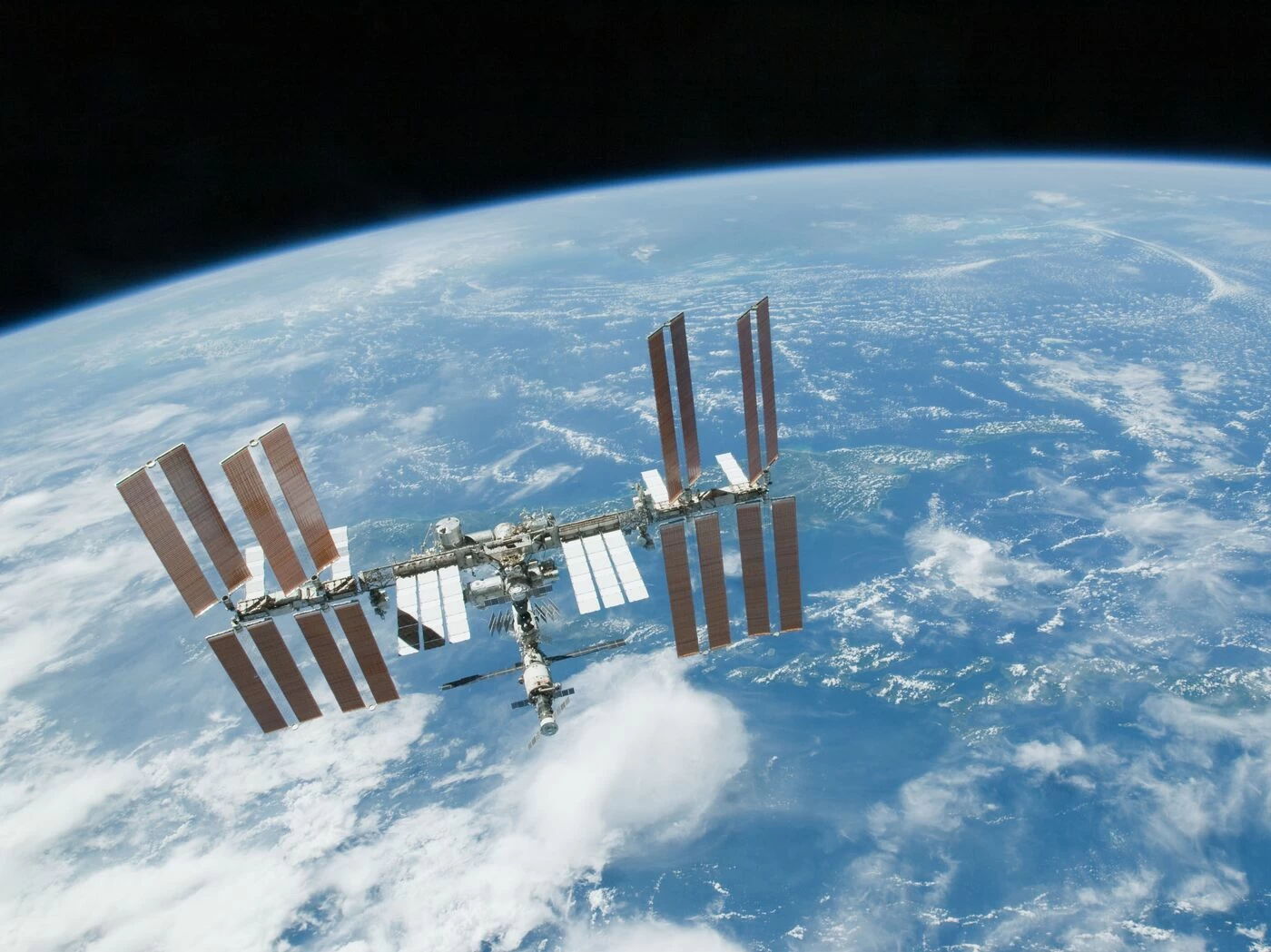
في خطوة جديدة تؤكد تسارع وتيرة السباق نحو الفضاء، ووسط ترقب علمي واسع، نجحت شركة «سبيس إكس» في إطلاق سفينة الشحن الضخمة «سيغنوس إكس إل» محمّلة بإمدادات حيوية لدعم رواد الفضاء على متن محطة الفضاء الدولية، في مهمة تعكس طموحات متنامية لاستكشاف آفاق علمية غير مسبوقة.
وأوضحت الشركة في بيان رسمي أن صاروخ فالكون 9 انطلق من محطة كيب كانافيرال الفضائية في ولاية فلوريدا عند الساعة 7:41 صباحاً بتوقيت شرق الولايات المتحدة، حاملاً مركبة الشحن ضمن المهمة التي تحمل اسم «NG-24»، وهي الرحلة الـ24 من نوعها.
ومن المنتظر أن تصل السفينة إلى وجهتها (الإثنين)، حيث سيتم التقاطها باستخدام الذراع الروبوتية للمحطة. وتضم الحمولة أكثر من خمسة أطنان من المعدات والتجارب العلمية المتقدمة، من بينها تحديث «مختبر الذرة الباردة» التابع لوكالة ناسا لدراسة خصائص المادة في درجات حرارة شديدة الانخفاض، إلى جانب أبحاث في مجال الخلايا الجذعية وتطوير تقنيات الحوسبة الكمومية في بيئة الجاذبية الصغرى، بما يعزز الجهود الدولية في استكشاف الفضاء.
ومن المقرر أن تبقى المركبة راسية لعدة أشهر، قبل أن تُحمّل بالنفايات وتنفصل لاحقاً لتحترق بشكل آمن في الغلاف الجوي للأرض فوق المحيط الهادئ مع انتهاء مهمتها.
وتتميّز «سيغنوس إكس إل» بحجم أكبر بنحو 20% مقارنة بالنسخ السابقة، ما أتاح لها نقل ما يقارب 4990 كيلوغراماً من المعدات والإمدادات العلمية، في خطوة تعكس تطور قدرات النقل الفضائي ودعم المهمات البحثية المتقدمة.
In a new step that confirms the accelerating pace of the race to space, and amid widespread scientific anticipation, SpaceX successfully launched the massive cargo ship “Cygnus XL” loaded with vital supplies to support astronauts aboard the International Space Station, in a mission that reflects growing ambitions to explore unprecedented scientific horizons.
The company stated in an official announcement that the Falcon 9 rocket launched from Cape Canaveral Space Force Station in Florida at 7:41 AM Eastern Time, carrying the cargo vehicle as part of the mission named “NG-24,” which is the 24th flight of its kind.
The ship is expected to reach its destination on Monday, where it will be captured using the station’s robotic arm. The cargo includes more than five tons of advanced equipment and scientific experiments, including an upgrade to NASA’s “Cold Atom Lab” to study the properties of matter at extremely low temperatures, as well as research in stem cells and the development of quantum computing technologies in a microgravity environment, enhancing international efforts in space exploration.
The vehicle is scheduled to remain docked for several months before being loaded with waste and later separating to safely burn up in the Earth’s atmosphere over the Pacific Ocean at the end of its mission.
The “Cygnus XL” features a size increase of about 20% compared to previous versions, allowing it to transport nearly 4,990 kilograms of equipment and scientific supplies, a step that reflects the evolution of space transportation capabilities and supports advanced research missions.
للمزيد من المقالات
اضغط هنا