
أزمة مضيق هرمز تضرب السياحة البحرية.. إلغاء رحلات في الشرق الأوسط – أخبار السعودية
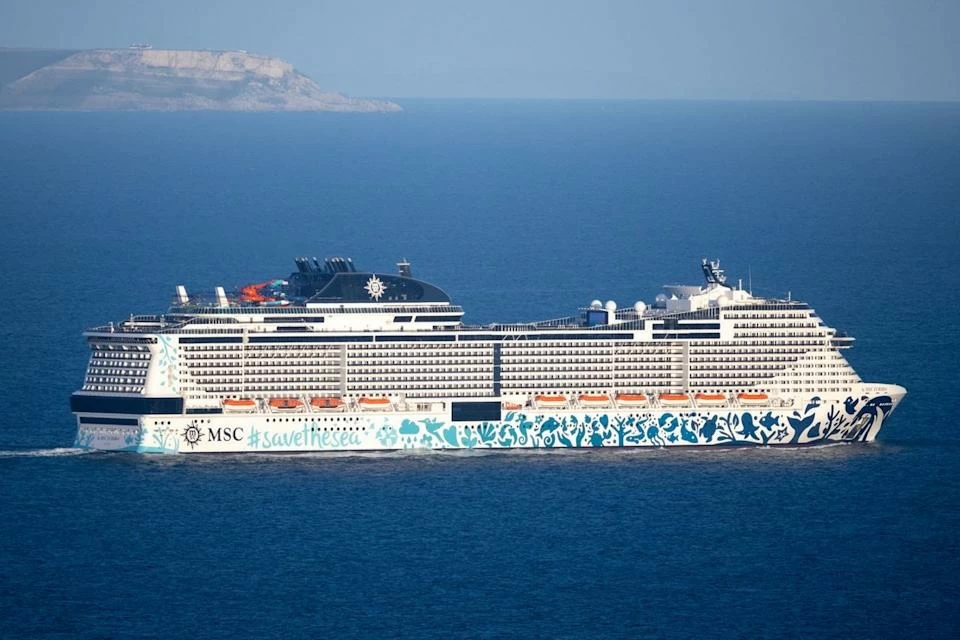
تسببت التوترات الأمنية المتصاعدة في الشرق الأوسط، على خلفية الصراع مع إيران، في إرباك واسع لقطاع الرحلات البحرية، إذ أعلنت عدة شركات كروز إلغاء رحلاتها أو تعديل مساراتها بعيداً عن المنطقة.
إلغاء شامل لرحلات أبريل
وأعلنت شركة سيليستيال كروزز (Celestyal Cruises)، ومقرها أثينا، والتي تقدم رحلات في جزر اليونان والخليج العربي والبحر الأحمر، إلغاء جميع رحلاتها المقررة خلال شهر أبريل 2026، بعد أن بقيت سفينتان تابعتان لها خارج الخدمة.
وأوضحت الشركة في بيان رسمي أن القيود المفروضة حول مضيق هرمز حالت دون عودة السفينتين إلى البحر المتوسط، إذ لا تزال إحداهما في دبي والأخرى في الدوحة.
وأكدت الشركة أن استئناف الرحلات قد يكون في أوائل مايو، لكن ذلك يظل مرهوناً بتطورات الأوضاع الأمنية.
خيارات للمسافرين
وأتاحت الشركة للمسافرين المتضررين خيار استرداد كامل قيمة الرحلات أو الحصول على رصيد لاستخدامه في رحلات مستقبلية.
وقال المسؤول التجاري بالشركة لي هاسلت إن سلامة الركاب والطاقم تظل الأولوية القصوى، مشيراً إلى أن القرار، رغم صعوبته، يمنح العملاء وضوحاً أكبر وخيارات مرنة.
تغيير مسارات شركات أخرى
وفي السياق ذاته، أعلنت شركة إكسبلورا جورنيز، ومقرها جنيف، إلغاء خطط تشغيل سفينتها EXPLORA II في الشرق الأوسط خلال موسم شتاء 2026-2027، مع تحويل مسارها إلى البحر المتوسط.
ومن المقرر أن تشمل الرحلات الجديدة موانئ في غرب المتوسط وشمال أفريقيا، مثل فونشال والدار البيضاء ومدينة إيبيزا القديمة.
تداعيات أوسع للأزمة
وبحسب تقارير متخصصة، تأثرت ما لا يقل عن 6 سفن تابعة لأربع شركات مختلفة منذ بداية مارس، نتيجة تصاعد التوترات في المنطقة.
كما اضطرت شركة MSC Cruises إلى تنفيذ خطة طوارئ لإعادة أكثر من 1500 راكب عالقين في دبي إلى بلدانهم، عبر تنظيم رحلات جوية خاصة والتعاون مع شركات طيران تجارية.
وشملت عمليات الإجلاء ركاباً من عدة دول، بينها المملكة المتحدة وإيطاليا وألمانيا وإسبانيا والولايات المتحدة والبرازيل.
اضطراب في حركة السفر
تعكس هذه التطورات حجم التأثير الذي أحدثته الأزمة في مضيق هرمز، أحد أهم الممرات البحرية في العالم، ليس فقط على إمدادات الطاقة، بل أيضاً على حركة السفر والسياحة البحرية.
وتواجه صناعة الرحلات البحرية تحديات كبيرة في ظل التوترات الجيوسياسية المتصاعدة، ما يدفع الشركات إلى إعادة رسم خططها التشغيلية، بينما يتحمل المسافرون تبعات الإلغاءات والتغييرات المفاجئة في مسارات الرحلات.
The escalating security tensions in the Middle East, against the backdrop of the conflict with Iran, have caused widespread disruption in the cruise sector, as several cruise companies announced the cancellation of their trips or adjustments to their routes away from the region.
Comprehensive Cancellation of April Trips
Celestyal Cruises, based in Athens and offering trips in the Greek islands, the Arabian Gulf, and the Red Sea, announced the cancellation of all its scheduled trips for April 2026, after two of its ships remained out of service.
The company clarified in an official statement that the restrictions imposed around the Strait of Hormuz prevented the two ships from returning to the Mediterranean Sea, as one remains in Dubai and the other in Doha.
The company confirmed that the resumption of trips could be in early May, but this remains contingent on developments in the security situation.
Options for Travelers
The company has provided affected travelers with the option to receive a full refund for their trips or to obtain a credit for use on future voyages.
Lee Haslett, the company’s commercial officer, stated that the safety of passengers and crew remains the top priority, noting that the decision, despite its difficulty, gives customers greater clarity and flexible options.
Route Changes by Other Companies
In the same context, Explora Journeys, based in Geneva, announced the cancellation of plans to operate its ship EXPLORA II in the Middle East during the 2026-2027 winter season, redirecting its route to the Mediterranean Sea.
The new trips are set to include ports in the western Mediterranean and North Africa, such as Funchal, Casablanca, and the old city of Ibiza.
Wider Implications of the Crisis
According to specialized reports, at least six ships belonging to four different companies have been affected since the beginning of March due to the escalating tensions in the region.
MSC Cruises was also forced to implement an emergency plan to repatriate more than 1,500 stranded passengers in Dubai to their home countries, by organizing special flights and collaborating with commercial airlines.
The evacuations included passengers from several countries, including the United Kingdom, Italy, Germany, Spain, the United States, and Brazil.
Disruption in Travel Movement
These developments reflect the extent of the impact that the crisis in the Strait of Hormuz, one of the world’s most important maritime passages, has had not only on energy supplies but also on travel and cruise tourism.
The cruise industry faces significant challenges amid rising geopolitical tensions, prompting companies to redraw their operational plans, while travelers bear the consequences of cancellations and sudden changes in travel routes.
للمزيد من المقالات
اضغط هنا