
واشنطن – طهران.. من يستجدي من للتفاوض ؟ – أخبار السعودية
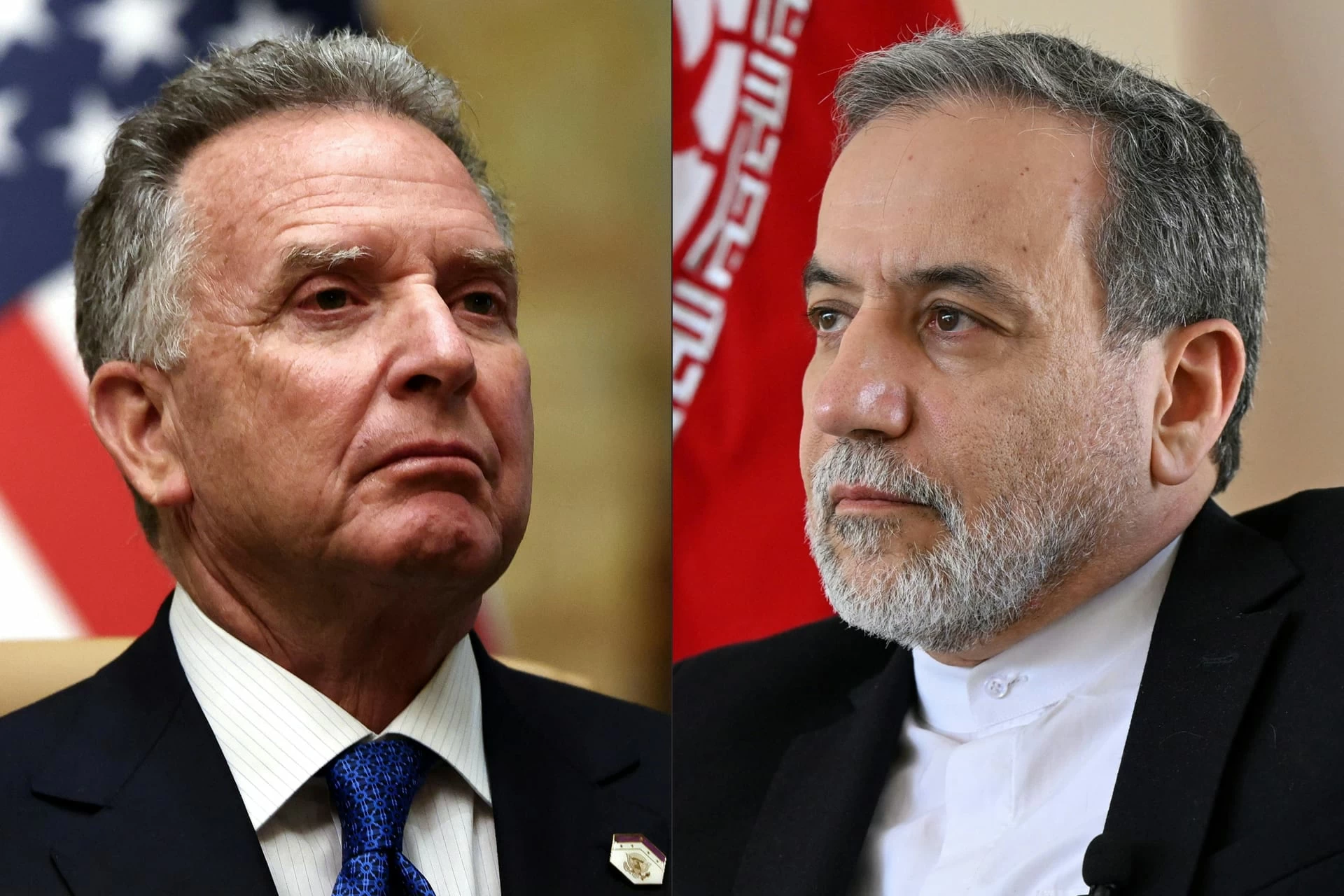
فيما تتصاعد حدة الحرب الأمريكية الإسرائيلية على إيران، قال النائب الأول للرئيس الإيراني محمد رضا عارف، إن أعداء بلاده يرجون منها التفاوض بشأن فتح مضيق هرمز، في إشارة إلى الولايات المتحدة.
وقال في تصريحات، اليوم (الثلاثاء): قواتنا المسلحة من بين الأقوى في العالم، لقد هزمنا المعتدين، والآن يتوسلون إلينا للتفاوض بشأن مضيق هرمز، ولكن يجب علينا أن نرى إلى أي مدى هم مستعدون لتقديم التنازلات، وفق قوله.
وأضاف عارف «عليهم أن يقولوا العبارة الذهبية ألا وهي لن نهاجم إيران بعد الآن، وسنعترف بجميع حقوقها الدولية». وأردف عارف قائلاً: «سنرى ما سيحدث لاحقاً»، وفق ما نقلت وكالة «تاس».
وأفاد وزير الخارجية الإيراني عباس عراقجي، الأسبوع الماضي بأن بلاده سمحت للدول الصديقة، بما في ذلك روسيا والهند والعراق والصين وباكستان، بالمرور عبر مضيق هرمز.
وكان الرئيس الأمريكي دونالد ترمب، قال إن الإيرانيين يستجْدون أمريكا الآن للتوصل إلى اتفاق. وأضاف: «الإيرانيون يستجدوننا الآن للتوصل لاتفاق»، ووصف الإيرانيين بأنهم مفاوضون رائعون، مضيفاً أنه لا يعلم إذا كان سيصل إلى اتفاق معهم، مشيرا إلى أنه «لا يمكن منح المختلين عقلياً السلاح النووي».
وأكد ترمب أنه على مدار الأسابيع الثلاثة الماضية، ضربنا إيران على نحو غير مسبوق وبطريقة ناجعة، تم تدمير قواعد الصواريخ والمسيّرات والسفن الإيرانية بشكل كامل، مضيفاً «ألحقنا ضررا كبيرا بالمواقع الإيرانية التي تنتج المسيّرات».
وجدد تحذيراته المتكررة لطهران، وحثها على فتح المضيق البحري الحيوي وإلا سيدمر البلاد، ويسيطر على جزيرة خارك، وأمهلها حتى السادس من أبريل القادم. وشدد على ضرورة تلبية المطالب الأمريكية، والتوصل لاتفاق قريباً، بعدما أمهلها حتى السادس من أبريل القادم من أجل فتح هرمز.
ومنذ 28 فبراير الماضي، شنت الولايات المتحدة وإسرائيل غارات عنيفة على العاصمة طهران، أدت إلى مقتل كبار قادتها على رأسهم المرشد السابق علي خامنئي.
ورد الحرس الثوري الإيراني بعملية مضادة واسعة النطاق، مطلقاً مئات الصواريخ والمسيرات نحو إسرائيل فضلاً عن دول خليجية، بالإضافة إلى الأردن والعراق، زاعماً ضرب قواعد ومصالح أمريكية. وأدت التهديدات الإيرانية للسفن إلى شل حركة الملاحة في مضيق هرمز.
وقدم الجانب الأمريكي عبر الوسيط الباكستاني مقترحاً إلى الإيرانيين من 15 شرطاً من أجل وقف الحرب، إلا أن طهران وصفته بغير الواقعي وغير العادل، معتبرة أنه يتضمن بنوداً غير قابلة للتطبيق، بينما لا تزال الوساطات مستمرة بين الطرفين.
As the intensity of the American-Israeli war on Iran escalates, Iran’s First Vice President Mohammad Reza Aref stated that the enemies of his country are hoping for negotiations regarding the opening of the Strait of Hormuz, referring to the United States.
He said in statements today (Tuesday): “Our armed forces are among the strongest in the world. We have defeated the aggressors, and now they are begging us to negotiate regarding the Strait of Hormuz, but we must see how far they are willing to make concessions,” he said.
Aref added, “They must say the golden phrase, which is that they will not attack Iran anymore, and we will recognize all of its international rights.” He further stated, “We will see what happens later,” according to the TASS news agency.
Iranian Foreign Minister Abbas Araghchi reported last week that his country has allowed friendly nations, including Russia, India, Iraq, China, and Pakistan, to pass through the Strait of Hormuz.
U.S. President Donald Trump stated that the Iranians are now begging America to reach an agreement. He added, “The Iranians are begging us now to reach an agreement,” describing the Iranians as great negotiators, while noting that he does not know if he will reach an agreement with them, pointing out that “mentally unstable people cannot be given nuclear weapons.”
Trump confirmed that over the past three weeks, we have struck Iran in an unprecedented and effective manner, completely destroying Iranian missile, drone, and ship bases, adding, “We have inflicted significant damage on Iranian sites that produce drones.”
He renewed his repeated warnings to Tehran, urging it to open the vital maritime strait or face destruction, and to take control of Khark Island, giving it until April 6 of the coming year. He emphasized the need to meet American demands and reach an agreement soon, after giving it until April 6 to open Hormuz.
Since February 28, the United States and Israel have launched intense airstrikes on the capital Tehran, resulting in the deaths of its top leaders, including former Supreme Leader Ali Khamenei.
The Iranian Revolutionary Guard responded with a large-scale counter-operation, launching hundreds of missiles and drones towards Israel, as well as Gulf countries, in addition to Jordan and Iraq, claiming to strike American bases and interests. Iranian threats to ships have paralyzed navigation in the Strait of Hormuz.
The American side, through the Pakistani mediator, presented a proposal to the Iranians consisting of 15 conditions to stop the war, but Tehran described it as unrealistic and unfair, considering that it includes non-implementable clauses, while mediations between the two sides continue.
للمزيد من المقالات
اضغط هنا