
وزير الخارجية الروسي: لم نزود إيران بمعلومات استخباراتية – أخبار السعودية
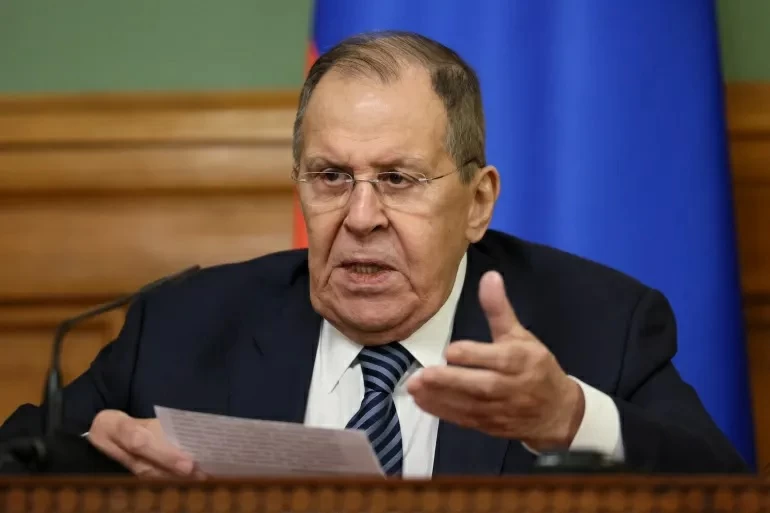
نفى وزير الخارجية الروسي سيرغي لافروف اتهامات وُجّهت لبلاده بتزويد إيران بمعلومات استخباراتية، مؤكدا أن موسكو تتصرف بموجب اتفاق للتعاون العسكري والتقني وقّعته مع طهران.
وقال لافروف في مقابلة مع التلفزيون الفرنسي: نرفض الاتهامات بتزويد إيران بالمعلومات الاستخباراتية، مضيفا أن روسيا وإيران تربطهما اتفاقية تعاون عسكري تقني، وأن بلاده زودت طهران بأنواع معينة من المنتجات العسكرية.
واعتبر أن إحداثيات القواعد العسكرية الأمريكية في منطقة الشرق الأوسط معروفة للجميع، ووصفها بأنها «معلومات عامة ومتاحة»، مضيفا: «لستُ متفاجئا من إقدام إيران على مهاجمتها».
وكانت وسائل إعلام غربية بينها صحيفة «فايننشال تايمز»، أعلنت أن موسكو قدمت دعما استخباراتيا لطهران شمل صور أقمار صناعية وبيانات مكنتها من استهداف مواقع أمريكية، وهو ما اعتبره مسؤولون غربيون مؤشرا على أن التدخل الروسي لا يقتصر على تعزيز القدرات العسكرية الإيرانية، بل يمتد إلى دعم استقرار النظام سياسيا.
ونقلت الصحيفة البريطانية عن تقارير استخباراتية غربية، أن روسيا تقترب من إتمام إرسال شحنات إلى إيران تشمل طائرات مسيّرة وأدوية ومواد غذائية، ضمن مساعي دعمها لطهران خلال الحرب المستمرة منذ شهر، إلا أن موسكو نفت صحة تلك التقارير، ووصف المتحدث باسم الرئاسة الروسية ديميتري بيسكوف تلك الأنباء بأنها «عارية عن الصحة».
ووقعت روسيا وإيران اتفاقية شراكة إستراتيجية العام الماضي، إلا أنها لم تُلزم أيًّا من الطرفين بالدفاع عن مصالح الآخر.
ومثّل اندلاع الحرب على إيران فرصة كبيرة لروسيا إذ قل الضغط الاقتصادي عليها بسبب انتعاش أسعار النفط، خصوصا في ظل إغلاق مضيق هرمز من قِبل إيران.
Russian Foreign Minister Sergey Lavrov denied accusations directed at his country of providing Iran with intelligence information, affirming that Moscow acts under a military and technical cooperation agreement signed with Tehran.
Lavrov stated in an interview with French television: “We reject the accusations of providing Iran with intelligence information,” adding that Russia and Iran are linked by a military-technical cooperation agreement, and that his country has supplied Tehran with certain types of military products.
He considered that the coordinates of American military bases in the Middle East are known to everyone, describing them as “public and available information,” adding: “I am not surprised by Iran’s decision to attack them.”
Western media, including the “Financial Times,” reported that Moscow provided intelligence support to Tehran, which included satellite images and data that enabled it to target American sites, something that Western officials viewed as an indication that Russian intervention is not limited to enhancing Iranian military capabilities but extends to politically supporting the stability of the regime.
The British newspaper cited Western intelligence reports indicating that Russia is nearing completion of shipments to Iran that include drones, medicines, and food supplies, as part of its efforts to support Tehran during the ongoing war for a month. However, Moscow denied the accuracy of those reports, with Russian presidential spokesman Dmitry Peskov describing the news as “unfounded.”
Russia and Iran signed a strategic partnership agreement last year, but it did not obligate either party to defend the other’s interests.
The outbreak of war on Iran represented a significant opportunity for Russia as the economic pressure on it eased due to the rise in oil prices, especially amid the closure of the Strait of Hormuz by Iran.
للمزيد من المقالات
اضغط هنا