
هل ينهي الذكاء الاصطناعي مهنة المحاماة؟ – أخبار السعودية
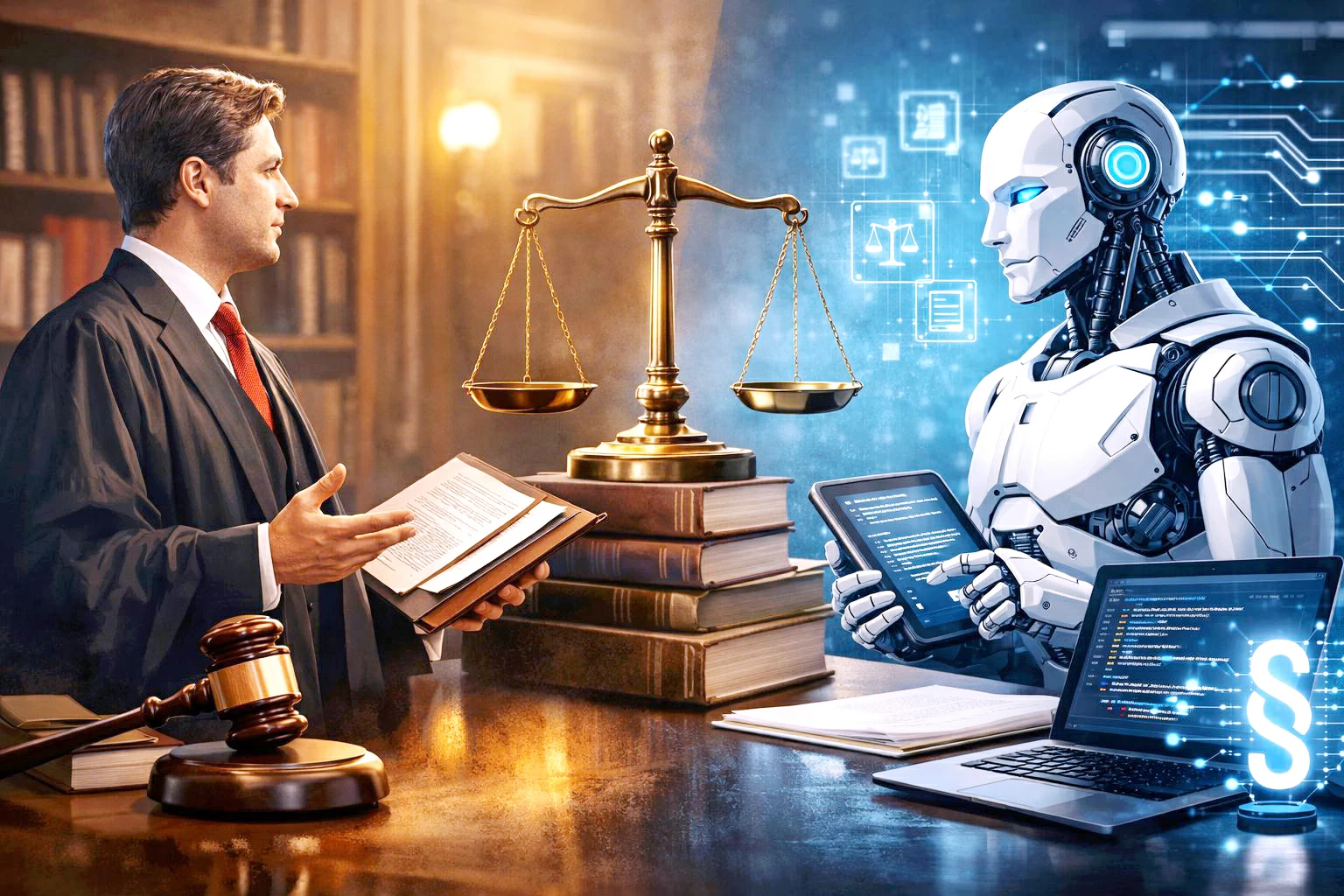
أثار التطوّر المتسارع في تقنيات الذكاء الاصطناعي جدلاً واسعاً حول مستقبل المهن القانونية، خصوصاً بعد تقارير حديثة أكدت تقدّمه في تحليل العقود وصياغة المستندات القانونية، إلا أن السؤال الأبرز لا يزال قائماً: هل يهدّد وجود المحامي أم يعيد تعريف دوره؟
تشير تقارير حديثة إلى أن الذكاء الاصطناعي لم يصل بعد إلى مستوى يُنهي مهنة المحاماة، لكنه بدأ فعلياً في تغيير طبيعتها، حيث أصبح قادراً على إنجاز مهمات كانت تستغرق آلاف الساعات في وقت قياسي، ما يعزز الكفاءة ويخفض التكاليف، بحسب ما نشرته Bloomberg في تقارير حديثة عن التحوّل الرقمي في القطاع القانوني.
في المقابل، يؤكد خبراء قانونيون أن التقنية ستظل أداة مساعدة وليست بديلاً، نظراً لعجزها عن فهم السياقات الإنسانية والأبعاد الأخلاقية واتخاذ القرار القانوني النهائي، وهو ما يبقى مسؤولية المحامي وحده.
كما كشفت حالات حديثة مخاطر الاعتماد الكامل على الذكاء الاصطناعي، بعد تورط محامين في تقديم معلومات قانونية غير دقيقة نتيجة (هلوسة) الأنظمة، ما عرّضهم لعقوبات مهنية.
وتخلص المعطيات الحالية إلى أن مستقبل المحاماة لن ينتهي، بل سيتحوّل، حيث يتراجع الدور التقليدي لصالح مهمات أكثر تعقيداً تتطلب التحليل والحكم القانوني، في شراكة جديدة بين الإنسان والآلة.
The rapid development of artificial intelligence technologies has sparked widespread debate about the future of legal professions, especially after recent reports confirmed its advancements in contract analysis and the drafting of legal documents. However, the most pressing question remains: Does it threaten the existence of lawyers, or does it redefine their role?
Recent reports indicate that artificial intelligence has not yet reached a level that would end the legal profession, but it has already begun to change its nature, as it has become capable of completing tasks that used to take thousands of hours in record time, enhancing efficiency and reducing costs, according to recent reports by Bloomberg on the digital transformation in the legal sector.
On the other hand, legal experts affirm that technology will remain an assisting tool rather than a substitute, due to its inability to understand human contexts, ethical dimensions, and make final legal decisions, which remains the sole responsibility of the lawyer.
Recent cases have also revealed the risks of relying entirely on artificial intelligence, after lawyers became involved in providing inaccurate legal information due to the “hallucinations” of the systems, which exposed them to professional penalties.
The current data concludes that the future of lawyering will not end but will transform, as the traditional role diminishes in favor of more complex tasks that require analysis and legal judgment, in a new partnership between humans and machines.
للمزيد من المقالات
اضغط هنا