
العصيدة والقراصة.. زينة السفرة السودانية – أخبار السعودية
تحتل العصيدة مكانة مهمة على مائدة الإفطار في السودان خلال شهر رمضان، فلا يخلو منها منزل، وتنافسها في الحضور القراصة والآبري الأحمر، إذ يصعب أن تخلو السفرة الرمضانية منها طوال شهر الصيام.
وتشتهر العصيدة السودانية بكونها رمزاً تاريخياً لدى الشعب السوداني يرتبط بعاداتهم وثقافاتهم، إذ لا غنى عنها، وهي وجبة تقليدية تحمل الكثير من القيم الغذائية.
وتُعد العصيدة من الأطباق الأساسية، وتُقدم مع «ملاح التقلية» أو «ملاح الروب»، فتُصنع من دقيق القمح وعجين الذرة، فيما يتكون «ملاح التقلية» من اللحم المجفف مع البصل المقلي ومعجون الطماطم، ويُعتبر من أشهر الأطباق بجانب العصيدة.
ويتكون «ملاح الروب» من معجون الفول السوداني والزبادي، ويُقدّم ساخناً، ويعتبر منافساً لـ«ملاح التقلية» في شهر الصوم، ومن المكونات الرئيسية للسفرة السودانية الغنية بالكثير من الأكلات الشهية.
وعند غياب العصيدة عن السفرة تحضر مكانها القراصة التي تعد بديلاً عنها، وتُقدم مع «ملاح الدمعة» المكونة من قطع اللحم أو الدجاج المطبوخة مع البصل والطماطم.
وتشتهر السفرة السودانية بالمشروبات الرمضانية (الآبري)، وتمتاز بالحلو مر (الآبري الأحمر)، وهو مشروب سوداني أصيل يتميز برائحته وطعمه الفريد، فيما الآبري الأبيض يعد مشروباً خفيفاً ومنعشاً، وينافس الكركدي والتبلدي.
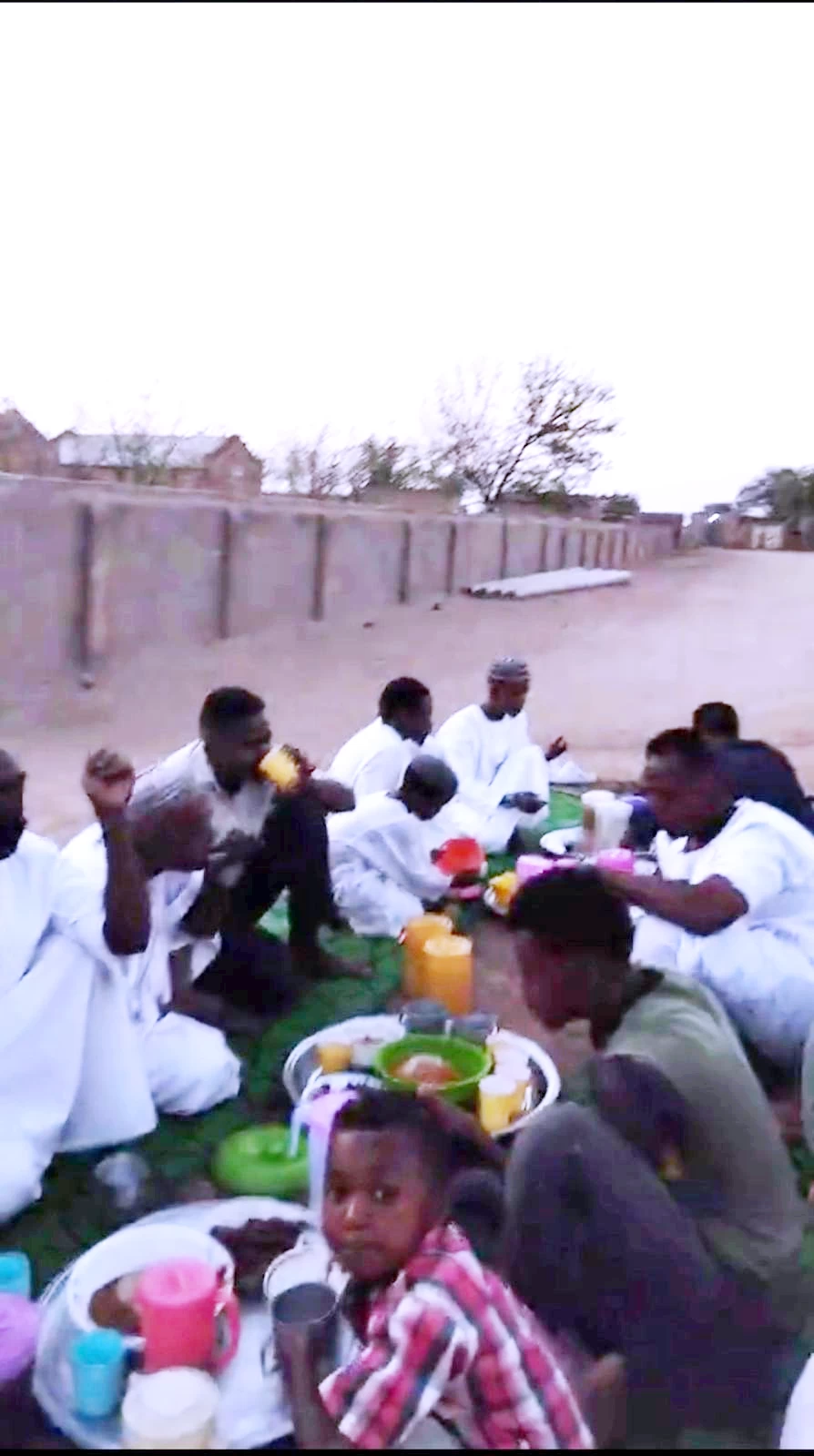
ومن العادات الرمضانية في السودان أن يفطر الرجال خارج المنازل في الطرقات العامة أو بطرق القرى؛ حيث يجتمع الرجال مع بعضهم البعض فيحضر كل شخص وجبة من مسكنه، ويعمدون إلى قطع الطريق في بعض القرى على عابريها؛ بهدف إكرامهم واستضافتهم على سفر الإفطار ونيل فرصة إطعامهم.
Porridge holds an important place on the breakfast table in Sudan during the month of Ramadan, as no home is without it. It competes with “Gurasa” and “Abri Al-Ahmar” for presence, as it is difficult for the Ramadan table to be without it throughout the month of fasting.
The Sudanese porridge is famous for being a historical symbol for the Sudanese people, associated with their customs and cultures, as it is indispensable. It is a traditional meal that carries a lot of nutritional values.
Porridge is considered one of the main dishes and is served with “Malah Al-Taqliya” or “Malah Al-Rob.” It is made from wheat flour and corn dough, while “Malah Al-Taqliya” consists of dried meat with fried onions and tomato paste, and it is considered one of the most famous dishes alongside porridge.
“Malah Al-Rob” is made from peanut paste and yogurt, served hot, and is considered a competitor to “Malah Al-Taqliya” during the month of fasting, and it is one of the main components of the Sudanese table, rich with many delicious dishes.
When porridge is absent from the table, Gurasa takes its place as an alternative, served with “Malah Al-Dam’a,” which consists of pieces of meat or chicken cooked with onions and tomatoes.
The Sudanese table is famous for Ramadan drinks (Abri), characterized by sweet and sour (Abri Al-Ahmar), which is an authentic Sudanese drink known for its unique aroma and taste, while Abri Al-Abyad is considered a light and refreshing drink, competing with Karkadeh and Talbina.
Among the Ramadan customs in Sudan is that men break their fast outside homes in public roads or village paths; where men gather together, each bringing a meal from their home, and they often block the road in some villages to welcome and host passersby for Iftar, seizing the opportunity to feed them.
للمزيد من المقالات
اضغط هنا