
مسجد الشجرة.. معجزة خلدها المحراب وشهدتها البطحاء – أخبار السعودية
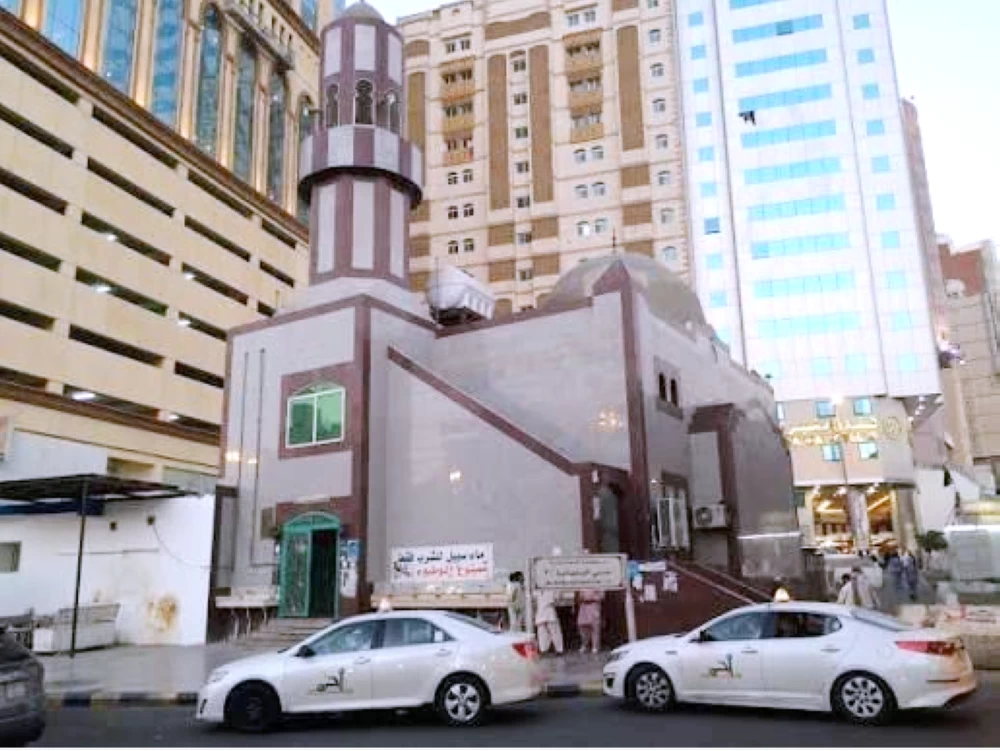
المسجد في الوقت الحاضر.. مزارٌ للتدبر
اليوم، يمثل مسجد الشجرة، الذي يعرف حالياً بـ«مسجد الجندراوي»، محطة مهمة لزوار مكة المكرمة الراغبين في استحضار عبق السيرة، فالصلاة في هذا المكان ليست مجرد أداء لفريضة، بل هي رحلة روحية تعيد المصلّي إلى اللحظات الأولى لانتشار نور الإسلام.
وعلى رغم الزحف العمراني والتحسينات الكبيرة التي شهدتها منطقة الغزة وسوق الليل، ظل «مسجد الشجرة» محافظاً على اسمه ومكانه، ليكون منارةً تُذكّر الأجيال بأن هذه الأرض لم تكن مجرد جبال صماء، بل كانت تتفاعل مع وحي السماء ونبوة خاتم المرسلين.
ويظل مسجد الشجرة «أيقونة إيمانية» في قلب العاصمة المقدسة، يروي بلسان حاله كيف انقادت الطبيعة لأمر الله، وكيف بقيت ذكراها محفورة في ذاكرة الأمة الإسلامية إلى الأبد.
في شعاب مكة، التي شهدت إرهاصات النبوة ومعجزاتها، يقف «مسجد الشجرة» معلماً بارزاً يختزل قصة إيمان عميقة. هذا المسجد، الذي يقع في منطقة «سوق الليل» التاريخية مقابل مقبرة المعلاة، لا تُستمد قيمته من ضخامة بنائه فحسب، بل من كونه شاهداً على حادثة إعجازية، أيد الله بها نبيه الكريم ﷺ في بداية دعوته.
وتعود تسمية المسجد إلى «معجزة نبوية» شهيرة، رواها المؤرخون وأصحاب السير. تذكر الروايات، أن النبي ﷺ دعا شجرة كانت في ذلك الموضع وهو في مكة، فأقبلت تخدّ الأرض (تنشق الأرض لها) حتى وقفت بين يديه، فسلمت عليه، ثم أمرها فرجعت إلى مكانها.
ويمثل المسجد دليلاً مادياً على تأييد الله لنبيه ﷺ بالآيات والمعجزات الحسنة، في وقت كانت فيه قريش تواجه الدعوة بالتكذيب، وذكره كبار المؤرخين، مثل الأزرقي والفاكهي، في مصنفاتهم عن أخبار مكة، مؤكدين موقعه بدقة في شعب «أذاخر»، أو ما يعرف اليوم بحي «الغزة» و«سوق الليل». ويقع المسجد في منطقة إستراتيجية وتاريخية للغاية مقابل مقبرة «المعلاة» الشهيرة، وعلى مقربة من «مسجد الجن»، ويعتبر جزءاً من المسار التاريخي الذي كان يسلكه النبي ﷺ وصحابته في التنقل بين أودية مكة وشعابها الشمالية.
من البناء التقليدي إلى العهد السعودي
مرّ مسجد الشجرة بعدة مراحل إنشائية، عكست الاهتمام بمواضع المعجزات النبوية:
• العمارة القديمة: ظل المسجد لقرون مبنياً على الطراز المكي التقليدي بالحجر الآجر، وكان صغيراً في مساحته، لكنه كبير في رمزيته.
• التطوير الحديث: في العهد السعودي الزاهر، وتحديداً ضمن مشاريع تطوير المنطقة المركزية المحيطة بالمسجد الحرام، حظي المسجد بإعادة بناء شاملة.
• التصميم الحالي: يتميز المسجد اليوم بواجهة معمارية إسلامية حديثة، تتناغم مع هوية المساجد التاريخية في مكة. تم استخدام الرخام الفاخر في واجهاته، وزُود بمئذنة رشيقة تطل على المارة في طريق المسجد الحرام، مع تجهيزات داخلية تضمن الراحة للمصلين من تكييف وإضاءة ونظم صوتية متطورة.
The mosque today… a place for contemplation
Today, the Tree Mosque, currently known as “Al-Jandrawi Mosque,” serves as an important stop for visitors to Mecca who wish to recall the essence of the Prophet’s life. Praying in this place is not merely a fulfillment of a duty, but a spiritual journey that takes the worshipper back to the early moments of the spread of the light of Islam.
Despite the urban sprawl and significant improvements witnessed in the Gaza area and the Night Market, the “Tree Mosque” has maintained its name and place, standing as a beacon to remind generations that this land was not merely silent mountains, but one that interacted with the divine revelation and the prophethood of the Seal of the Messengers.
The Tree Mosque remains a “faith icon” in the heart of the holy city, narrating through its very existence how nature submitted to God’s command, and how its memory remains etched in the consciousness of the Islamic nation forever.
In the valleys of Mecca, which witnessed the early signs of prophethood and its miracles, the “Tree Mosque” stands out as a prominent landmark encapsulating a profound story of faith. This mosque, located in the historic “Night Market” area opposite the Ma’la cemetery, derives its value not only from the grandeur of its construction but also from being a witness to a miraculous event, through which God supported His noble Prophet ﷺ at the beginning of his mission.
The mosque is named after a famous “prophetic miracle,” narrated by historians and biographers. The accounts mention that the Prophet ﷺ called a tree that was in that location while he was in Mecca, and it came forth, splitting the ground (the earth opened for it) until it stood before him, greeted him, and then he commanded it to return to its place.
The mosque represents a tangible evidence of God’s support for His Prophet ﷺ through clear signs and miracles, at a time when the Quraysh faced the call with denial. It was mentioned by prominent historians, such as Al-Azraqi and Al-Fakihi, in their works about the history of Mecca, accurately confirming its location in the valley of “Adhakhir,” or what is known today as the “Gaza” and “Night Market” area. The mosque is situated in a highly strategic and historical area opposite the famous “Ma’la” cemetery, and close to the “Jinn Mosque,” and is considered part of the historical route that the Prophet ﷺ and his companions used to navigate between the valleys and hills of northern Mecca.
From traditional construction to the Saudi era
The Tree Mosque has undergone several construction phases, reflecting the interest in the sites of prophetic miracles:
• The old architecture: For centuries, the mosque was built in the traditional Meccan style using brick, and it was small in size but significant in its symbolism.
• Modern development: In the prosperous Saudi era, specifically as part of the development projects surrounding the Grand Mosque, the mosque underwent a comprehensive reconstruction.
• The current design: Today, the mosque features a modern Islamic architectural façade that harmonizes with the identity of historical mosques in Mecca. Luxurious marble has been used in its facades, and it is equipped with a slender minaret overlooking the passersby on the way to the Grand Mosque, along with interior facilities that ensure comfort for worshippers, including air conditioning, lighting, and advanced sound systems.
للمزيد من المقالات
اضغط هنا