
لماذا سحبت أمريكا آلاف القنابل الذكية من كوريا الجنوبية؟ – أخبار السعودية
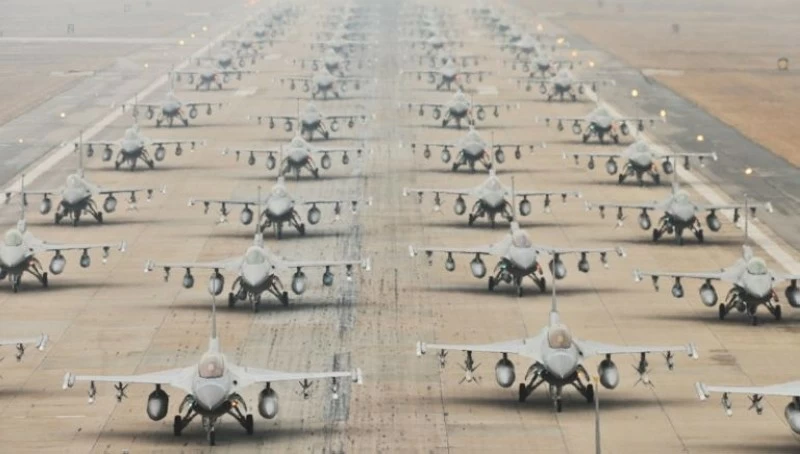
في إطار الحرب مع إيران، أفصحت مصادر دفاعية كورية جنوبية أن الولايات المتحدة سحبت أكثر من ألف مجموعة توجيه للقنابل الذكية من مخازنها العسكرية في كوريا الجنوبية.
أجهزة توجيه تعمل بنظام تحديد المواقع
وتتكون هذه المجموعات من أجهزة توجيه تعمل بنظام تحديد المواقع العالمي (جي بي إس) أو الليزر، إلى جانب أجنحة تحكم يمكن تركيبها على القنابل التقليدية لتحويلها إلى ذخائر دقيقة التوجيه.
وتراوح تكلفة المجموعة الواحدة بين 20 ألفاً و55 ألف دولار، ما يجعلها خياراً أقل كلفة مقارنة بأنواع أخرى من الذخائر الذكية، مع الحفاظ على قدرة عالية على إصابة الأهداف بدقة.
واعتبر خبراء عسكريون أن فعالية هذه القنابل في المراحل الأولى من أي صراع مع إيران قد تكون محدودة، نظراً لاعتمادها على تحليق الطائرات المقاتلة أو القاذفات فوق مناطق الأهداف قبل إطلاقها، وهو ما قد يعرّض تلك الطائرات لمخاطر كبيرة في ظل شبكة الدفاع الجوي الإيرانية المتطورة متعددة الطبقات.
وظهرت هذه التحديات خلال العمليات الجوية الأمريكية فوق اليمن، حيث اضطرت طائرات مقاتلة من طراز إف-16 وإف-35 إلى تنفيذ مناورات مراوغة متكررة لتجنب الدفاعات الجوية المحلية، رغم أنها أقل تطوراً بكثير من تلك التي تمتلكها إيران.
نقل أنظمة الدفاع الجوي للشرق الأوسط
يتزامن سحب القنابل الموجهة مع محادثات عسكرية مكثفة بين واشنطن وسيؤول حول إعادة نشر أنظمة دفاع جوي أمريكية متمركزة في كوريا الجنوبية إلى الشرق الأوسط.
وأعلن وزير الخارجية الكوري الجنوبي تشو هيون أن الجيشين الأمريكي والكوري الجنوبي يناقشان إمكانية نقل بعض بطاريات الدفاع الجوي بعيدة المدى من طراز «إم آي إم-104 باتريوت» التابعة للجيش الأمريكي لدعم العمليات العسكرية المحتملة ضد إيران.
وسبق للجيش الأمريكي أن أعاد نشر نظامين من منظومات «باتريوت»، إضافة إلى نحو 500 جندي، من كوريا الجنوبية إلى الشرق الأوسط بين مارس وأكتوبر 2025.
وأثار سحب أسطول المروحيات الهجومية الأمريكية من طراز «أباتشي إيه إتش-64» من كوريا الجنوبية في يناير الماضي مخاوف داخل الأوساط الدفاعية الكورية بشأن تأثير هذه التحركات على التوازن العسكري في شبه الجزيرة الكورية.
إعادة نشر عناصر من منظومة «ثاد»
وتحدثت تقارير كورية جنوبية عن أن «البنتاغون» يدرس خيارات أوسع تشمل إعادة نشر عناصر من منظومة «ثاد» الدفاعية المتقدمة، وهي من أكثر أنظمة الدفاع الصاروخي تطوراً لدى الولايات المتحدة. وتُعد كوريا الجنوبية الدولة الأجنبية الوحيدة التي تستضيف انتشاراً دائماً لهذه المنظومة منذ 2016.
ويتمثل السيناريو الأكثر ترجيحاً في نقل الصواريخ الاعتراضية فقط لتعزيز المخزون الأمريكي في الشرق الأوسط، لكن احتمال تعرض رادارات أو مراكز قيادة أو منصات إطلاق أمريكية للتدمير في حال اندلاع مواجهة مع إيران قد يدفع واشنطن إلى استبدال أنظمة كاملة من المخزون المتمركز في كوريا الجنوبية.
ولاتمتلك الولايات المتحدة سوى ثمانية أنظمة «ثاد» على مستوى العالم، ينتشر بعضها حالياً في إسرائيل والأردن.
In the context of the war with Iran, South Korean defense sources revealed that the United States has withdrawn more than a thousand smart bomb guidance kits from its military stockpiles in South Korea.
GPS-guided guidance devices
These kits consist of GPS or laser-guided guidance devices, along with control wings that can be attached to conventional bombs to convert them into precision-guided munitions.
The cost of a single kit ranges from $20,000 to $55,000, making it a less expensive option compared to other types of smart munitions while maintaining a high capability to accurately hit targets.
Military experts believe that the effectiveness of these bombs in the early stages of any conflict with Iran may be limited, as they rely on fighter jets or bombers flying over target areas before launching, which could expose those aircraft to significant risks given Iran’s advanced multi-layered air defense network.
These challenges were evident during U.S. air operations over Yemen, where F-16 and F-35 fighter jets had to perform repeated evasive maneuvers to avoid local air defenses, despite being far less advanced than those possessed by Iran.
Transfer of air defense systems to the Middle East
The withdrawal of guided bombs coincides with intensive military talks between Washington and Seoul regarding the redeployment of U.S. air defense systems stationed in South Korea to the Middle East.
South Korean Foreign Minister Choo Hyun announced that the U.S. and South Korean militaries are discussing the possibility of transferring some long-range “MIM-104 Patriot” air defense batteries from the U.S. Army to support potential military operations against Iran.
The U.S. military had previously redeployed two Patriot systems, along with about 500 troops, from South Korea to the Middle East between March and October 2025.
The withdrawal of the U.S. Apache AH-64 attack helicopter fleet from South Korea last January raised concerns within South Korean defense circles about the impact of these moves on the military balance on the Korean Peninsula.
Redeployment of elements from the THAAD system
South Korean reports indicated that the Pentagon is considering broader options, including the redeployment of elements from the advanced THAAD defense system, which is one of the most advanced missile defense systems in the United States. South Korea is the only foreign country hosting a permanent deployment of this system since 2016.
The most likely scenario involves transferring only the interceptor missiles to bolster the U.S. stockpile in the Middle East, but the potential for U.S. radars, command centers, or launch platforms to be destroyed in the event of a confrontation with Iran may prompt Washington to replace entire systems from the stockpile stationed in South Korea.
The United States has only eight THAAD systems worldwide, some of which are currently deployed in Israel and Jordan.
للمزيد من المقالات
اضغط هنا