
رئيس الشبكة اليمنية للحقوق لـ«عكاظ»: 4868 جريمة موثقة ارتكبها «الحوثي» في «الحديدة» خلال عام – أخبار السعودية
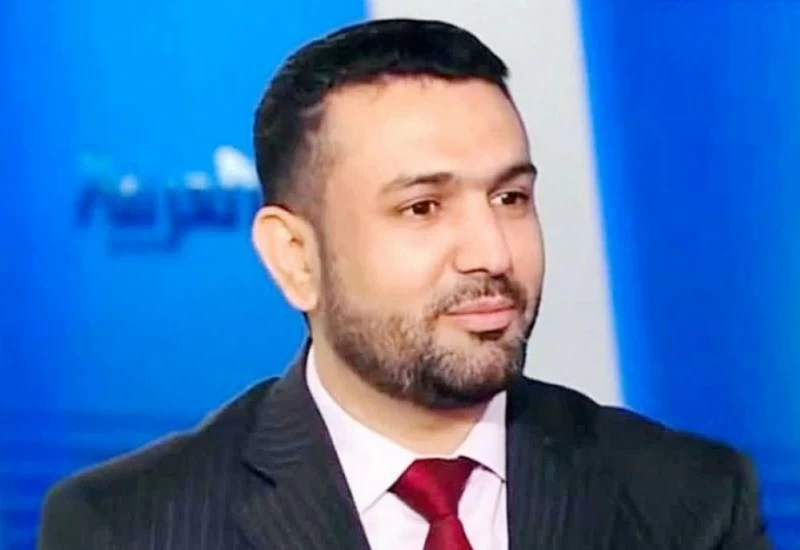
كشفت الشبكة اليمنية للحقوق والحريات، عن احصاءات الجرائم والانتهاكات الجسيمة التي ارتكبتها جماعة الحوثي في محافظة الحديدة خلال العام 2025.
وأوضح رئيس الشبكة اليمنية للحقوق والحريات محمد العمدة لـ«عكاظ»، أن هذه الإحصاءات موثوقة بالأدلة لنمط ممنهج من الانتهاكات استهدف المجتمع بكافة مكوناته، دون تمييز، على أساس الموقف السياسي أو الاجتماعي.
وقال: إن الانتهاكات الحوثية لم تكن موجهة ضد فئة بعينها، بل طالت كل من لا ينسجم مع مشروع هذه الجماعة أو يعارض سياساتها، حيث جرى التعامل مع المخالفين بوصفهم «أعداء» تجيز استباحة حياتهم وأموالهم وكرامتهم، عبر الاقتحامات، والمصادرة، والنهب، والإعدامات الميدانية، أو الاختطاف والإخفاء القسري والتعذيب.
وأشار إلى أن فريق الشبكة الميداني في محافظة الحديدة، رصد خلال الفترة المشمولة بالتقرير (4868) انتهاكاً موثقاً تنوعت بين: جرائم القتل خارج نطاق القانون، وجرائم الإصابة جراء القصف وجرائم الألغام، وجرائم الاختطاف والإخفاء القسري، وجرائم التعذيب والتصفية داخل السجون، وجرائم اتخاذ المدنيين دروعاً بشرية، وجرائم التجنيد الإجباري، خصوصاً للأطفال، وجرائم التهجير القسري، وجرائم تدمير الأعيان المدنية والبنية التحتية، وجرائم نهب الممتلكات العامة والخاصة.
ووفقاً للعمدة فإن التقرير وثّق (262) حالة قتل مدني بينهم (51) طفلاً و(37) امرأة، (225) إصابة بينهم (47) طفلاً و(40) امرأة، كما تسببت الألغام الأرضية التي زرعتها جماعة الحوثي في سقوط نحو (80) قتيلاً مدنياً بينهم (19) طفلاً و(8) نساء، وإصابة (66) مدنياً بينهم (14) طفلاً و(8) نساء.
وأضاف: إن مديريات حيس، والخوخة، والتحيتا، والدريهمي تعرضت لقصف شبه يومي بقذائف الهاون والكاتيوشا والمدفعية، ما خلق حالة رعب دائم بين السكان المدنيين.
ولفت إلى أن الفريق الميداني للشبكة سجل تورط جماعة الحوثي بالاعتقال والإخفاء القسري والسجون السرية (2304) حالة اعتقال واختطاف، منها (274) حالة إخفاء قسري، (38) حالة تعذيب موثقة، (21) حالة اتخاذ دروع بشرية، (9) حالات تصفية داخل السجون، (11) حالة وفاة نتيجة الإهمال الطبي داخل السجون، (7) حالات وفاة لمعتقلين بسبب نوبات قلبية، كما رصد الفريق إنشاء (72) سجناً سرياً مستحدثاً في مناطق سيطرة الحوثي.
وقال العمدة: توزعت الاعتقالات على مختلف شرائح المجتمع، شملت معلمين وأكاديميين وموظفين حكوميين وطلاباً ونشطاء سياسيين وحقوقيين وإعلاميين وقيادات سياسية معارضة، إضافة إلى أطفال ونساء، في دلالة واضحة على استهداف ممنهج للبنية المجتمعية والتعليمية والسياسية.
وأوضح رئيس الشبكة اليمنية للحقوق والحريات أن التقرير كشف تعمد الحوثي لتخريب البنية التحتية عبر حفر أكثر من 150 خندقاً بعمق يصل إلى 10 أمتار وعرض لا يقل عن 5 أمتار في شوارع المدينة وخطوطها الرئيسية، وتخريب شبكات المياه والصرف الصحي والكهرباء، وإدخال الأسلحة الثقيلة إلى الأحياء السكنية، واعتلاء المباني الحكومية والسكنية وتخزين الأسلحة فيها، ونشر القناصة فوق أسطح المباني، وقد أدى ذلك إلى نزوح واسع النطاق بلغ (25,765) نازحاً أي ما يعادل (4195) أسرة، بينهم (6421) طفلاً و(5944) امرأة، مع استمرار المخاطر حتى داخل مخيمات النزوح.
وأكد العمدة أن التقرير وثّق (1024) انتهاكاً طالت الأعيان المدنية، شملت: تضرر (842) منزلاً بين كلي وجزئي، تضرر منشآت صناعية ومؤسسات أهلية ومحلات تجارية، (1354) حالة مداهمة واقتحام منازل، (131) حالة مصادرة أموال، (23) حالة تفخيخ وتفجير منازل، (9) حالات تفجير جسور عامة، نهب (98) مركبة خاصة، (64) انتهاكاً لدور العبادة
كما أشار التقرير إلى استخدام ميناء الحديدة في تهريب الأسلحة والممنوعات، بما يعكس عسكرة متزايدة للمحافظة ومحيط البحر الأحمر.
وأكد العمدة أن التقرير يخلص أن محافظة الحديدة تحولت خلال عام 2025 إلى بيئة مغلقة تُمارَس فيها أنماط متعددة من الانتهاكات الجسيمة للقانون الدولي الإنساني وقانون حقوق الإنسان، وعلى رأسها: القتل خارج نطاق القانون استخدام المدنيين دروعاً بشرية، التجويع والحصار، والإخفاء القسري والتدمير الممنهج للأعيان المدنية.
توثيق قانوني شامل للانتهاكات والجرائم:
أوضح رئيس الشبكة اليمنية للحقوق والحريات محمد العمدة في حديثه أن هذا التقرير يمثل توثيقاً قانونياً وإنسانياً شاملاً، ويشكل قاعدة بيانات قابلة للإحالة إلى الآليات القضائية الوطنيةالمختصة، تمهيداً لمساءلة المسؤولين عن هذه الانتهاكات الجسيمة.
وبناءً عليه توصي الشبكة اليمنية للحقوق والحريات أن على المجتمع الدولي والأمم المتحدة الضغط على جماعة الحوثي لوقف استخدام المدنيين دروعاً بشرية وإدانة عسكرة الأحياء السكنية والمرافق المدنية بشكل صريح وعلني، ومطالبتها بإطلاق سراح كافة المعتقلين والمخفيين قسراً وتحميلها كامل المسؤولية القانونية.
كذلك فرض عقوبات فردية موجهة على القيادات المتورطة في القتل خارج نطاق القضاء، والإخفاء القسري، وزراعة الألغام، إضافة إلى دعم برامج «مسام» لنزع الألغام وإزالة مخلفات الحرب في مديريات الحديدة المتضررة بشكل عاجل.
وقال: على مجلس الأمن الدولي إدراج الانتهاكات الموثقة في الحديدة ضمن تقاريره الدورية الخاصة باليمن، والتعامل معها باعتبارها تهديداً مباشراً للسلم والأمن الإقليميين، خصوصاً في سياق عسكرة البحر الأحمر.
وزاد: كما يجب اتخاذ تدابير عملية لضمان حماية المدنيين، وفقاً للفصل السابع من ميثاق الأمم المتحدة، عند الاقتضاء، وإدراج ملف الحديدة كبند مستقل ضمن النقاشات الدورية حول اليمن، والعمل على إنشاء قاعدة بيانات دولية للضحايا تحفظ حقوقهم وتدعم مسار العدالة الانتقالية مستقبلاً.
وتابع: نأمل من الحكومة اليمنية المعترف بها دولياً توثيقاً شاملاً للانتهاكات وفتح ملفات قضائية وطنية تمهيداً للمساءلة مستقبلاً، و تعزيز التنسيق مع المنظمات الحقوقية الوطنية والدولية لتبادل المعلومات والأدلة، وتوفير الدعم القانوني والنفسي والاجتماعي لأسر الضحايا والمعتقلين والنازحين، كذلك إدراج محافظة الحديدة ضمن أولويات برامج الإغاثة وإعادة الإعمار.
The Yemeni Network for Rights and Freedoms revealed statistics on the crimes and serious violations committed by the Houthi group in Al Hudaydah Governorate during the year 2025.
The head of the Yemeni Network for Rights and Freedoms, Mohammed Al-Omdah, explained to “Okaz” that these statistics are reliable and supported by evidence of a systematic pattern of violations targeting the community in all its components, without discrimination based on political or social stance.
He stated that the Houthi violations were not directed against a specific group but affected anyone who does not align with the group’s agenda or opposes its policies, as those who disagreed were treated as “enemies,” justifying the violation of their lives, property, and dignity through incursions, confiscations, looting, field executions, or abduction, enforced disappearance, and torture.
He pointed out that the network’s field team in Al Hudaydah Governorate documented (4,868) violations during the reporting period, which varied between: extrajudicial killings, injuries from shelling, landmine crimes, abduction and enforced disappearance, torture and executions inside prisons, using civilians as human shields, forced recruitment, especially of children, forced displacement, destruction of civilian objects and infrastructure, and looting of public and private property.
According to Al-Omdah, the report documented (262) cases of civilian killings, including (51) children and (37) women, (225) injuries including (47) children and (40) women. The landmines planted by the Houthi group caused the deaths of approximately (80) civilians, including (19) children and (8) women, and injured (66) civilians, including (14) children and (8) women.
He added that the districts of Hays, Al Khawkhah, Al Tahita, and Al Durayhimi were subjected to near-daily shelling with mortar, Katyusha, and artillery, creating a constant state of terror among the civilian population.
He noted that the network’s field team recorded the Houthi group’s involvement in the arrest, enforced disappearance, and secret prisons with (2,304) cases of arrest and abduction, including (274) cases of enforced disappearance, (38) documented cases of torture, (21) cases of using human shields, (9) cases of executions inside prisons, (11) deaths due to medical neglect inside prisons, and (7) deaths of detainees due to heart attacks. The team also monitored the establishment of (72) newly created secret prisons in Houthi-controlled areas.
Al-Omdah stated that the arrests were distributed across various segments of society, including teachers, academics, government employees, students, political activists, human rights defenders, journalists, and opposition political leaders, in a clear indication of a systematic targeting of the social, educational, and political structure.
The head of the Yemeni Network for Rights and Freedoms explained that the report revealed the Houthi group’s deliberate destruction of infrastructure by digging more than 150 trenches with a depth of up to 10 meters and a width of no less than 5 meters in the city’s streets and main roads, damaging water, sewage, and electricity networks, introducing heavy weapons into residential neighborhoods, occupying government and residential buildings to store weapons, and deploying snipers on rooftops. This has led to widespread displacement, amounting to (25,765) displaced individuals, equivalent to (4,195) families, including (6,421) children and (5,944) women, with ongoing risks even within displacement camps.
Al-Omdah confirmed that the report documented (1,024) violations affecting civilian objects, including: damage to (842) houses, both fully and partially, damage to industrial facilities, civil institutions, and commercial shops, (1,354) cases of home raids and incursions, (131) cases of property confiscation, (23) cases of booby-trapping and exploding houses, (9) cases of public bridge explosions, looting of (98) private vehicles, and (64) violations of places of worship.
The report also indicated the use of Al Hudaydah port for smuggling weapons and prohibited items, reflecting an increasing militarization of the governorate and the Red Sea region.
Al-Omdah affirmed that the report concludes that Al Hudaydah Governorate has turned into a closed environment in which multiple patterns of serious violations of international humanitarian law and human rights law are practiced, primarily: extrajudicial killings, using civilians as human shields, starvation and siege, enforced disappearance, and systematic destruction of civilian objects.
Comprehensive legal documentation of violations and crimes:
Al-Omdah stated in his remarks that this report represents comprehensive legal and humanitarian documentation and forms a database that can be referred to the relevant national judicial mechanisms, paving the way for holding those responsible for these serious violations accountable.
Accordingly, the Yemeni Network for Rights and Freedoms recommends that the international community and the United Nations pressure the Houthi group to stop using civilians as human shields and explicitly and publicly condemn the militarization of residential neighborhoods and civilian facilities, demanding the release of all detainees and those forcibly disappeared and holding them fully legally accountable.
It also calls for targeted individual sanctions against leaders involved in extrajudicial killings, enforced disappearance, and landmine planting, in addition to supporting “Masam” programs for mine clearance and the removal of war remnants in the affected districts of Al Hudaydah urgently.
He stated that the UN Security Council should include the documented violations in Al Hudaydah in its periodic reports on Yemen and treat them as a direct threat to regional peace and security, especially in the context of the militarization of the Red Sea.
He added that practical measures should be taken to ensure the protection of civilians, in accordance with Chapter VII of the UN Charter, when necessary, and to include the Al Hudaydah file as an independent item in the periodic discussions on Yemen, and work towards establishing an international database for victims to preserve their rights and support the path of transitional justice in the future.
He continued: We hope that the internationally recognized Yemeni government will conduct comprehensive documentation of violations and open national judicial files in preparation for future accountability, and enhance coordination with national and international human rights organizations to exchange information and evidence, and provide legal, psychological, and social support to the families of victims, detainees, and displaced persons, as well as include Al Hudaydah Governorate among the priorities of relief and reconstruction programs.
للمزيد من المقالات
اضغط هنا