
بن باز: العطر لا يفطّر والسواك سنة – أخبار السعودية
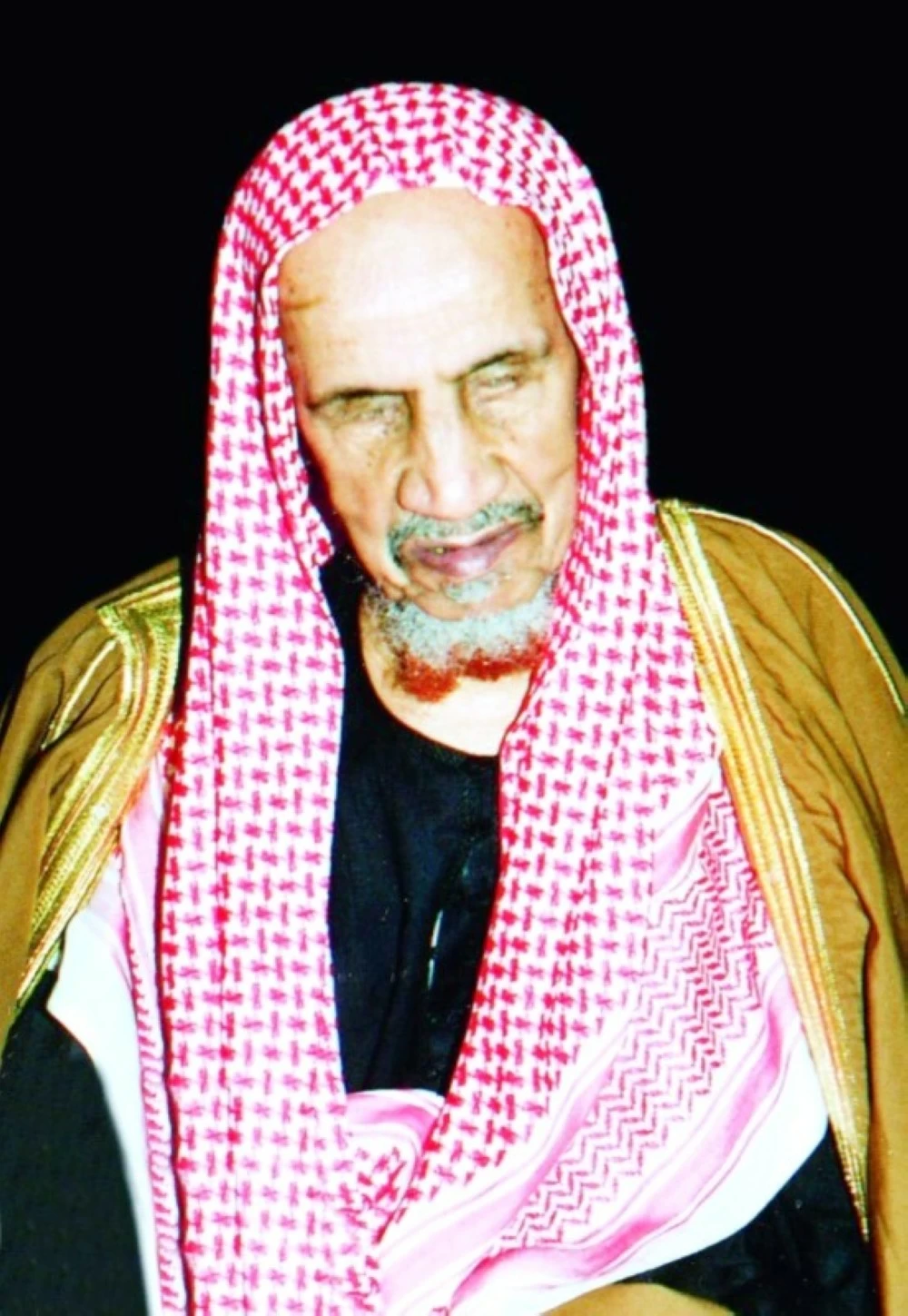
أوضح مفتي عام المملكة سابقاً الشيخ عبدالعزيز بن باز (رحمه الله)؛ أن العطر لا يفطّر الصائم إذا تطيب في ثيابه وفي وجهه، إلا أن البخور ينبغي توقيه لا يتسعطه؛ لأن بعض أهل العلم: رأى أنه يفطّر إذا تسعطه، فينبغي له ألا يتسعط البخور؛ لأن له أجزاء تدخل في الدماغ، وتذهب إلى الجوف، فينبغي له ألّا يتسعطه، وإن تسعطه ينبغي له القضاء، مؤكداً أنه لا بأس بجنس الطيب العادي أو المائي يجعل في أنفه، أو في لحيته، أو في غترته، منه دهن العود ودهن الورد.
وعن السواك، أبان أن حكمه سنة مطلقاً في جميع الأوقات، السواك للصائم وغير الصائم في العصر وغيره، لقوله ﷺ: السواك مطهرة للفم مرضاة للرب، ويقول ﷺ: لولا أن أشق على أمتي لأمرتهم بالسواك عند كل صلاة، هذا يعم صلاة الظهر والعصر وغيرهما في حق الصائم وغيره.
The former Grand Mufti of the Kingdom, Sheikh Abdulaziz bin Baz (may Allah have mercy on him), clarified that perfume does not break the fast if one applies it to their clothes or face. However, it is advisable to avoid incense as it should not be inhaled, because some scholars believe that it breaks the fast if inhaled. Therefore, one should not inhale incense, and if they do, they should make up for the fast. He emphasized that there is no harm in using regular or water-based perfume in the nose, beard, or headscarf, including oud oil and rose oil.
Regarding the miswak, he stated that its ruling is a Sunnah at all times, for both the fasting and non-fasting individuals, whether in the afternoon or at other times, as the Prophet ﷺ said: “The miswak is a purifier for the mouth and pleasing to the Lord.” He also said ﷺ: “If it were not for the difficulty it would cause my nation, I would have commanded them to use the miswak before every prayer.” This applies to the Dhuhr and Asr prayers and others for both the fasting and non-fasting individuals.
للمزيد من المقالات
اضغط هنا