
الكويت: سحب الجنسية من 1266 شخصاً أحدهم عضو مجلس أمة سابق.. إليك التفاصيل – أخبار السعودية
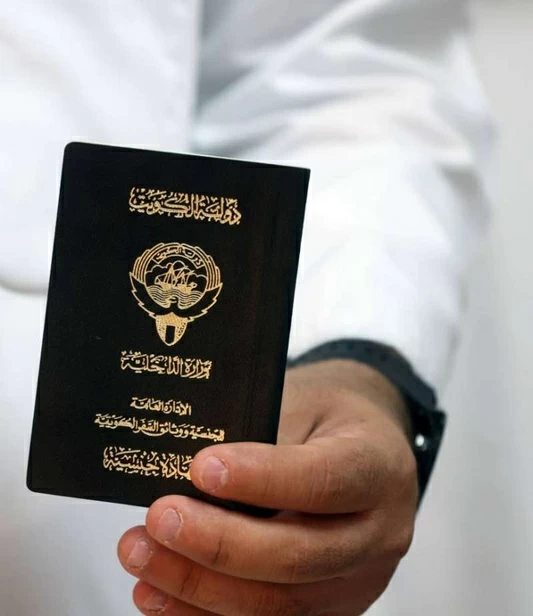
أحدثت الكويت حالة من الاستنفار والترقب بعد نشر 6 مراسيم أميرية في الجريدة الرسمية، تقضي بسحب الجنسية الكويتية من 1,266 شخصاً، إضافة إلى من اكتسبوها منهم بالتبعية. القرارات التي صدرت دفعة واحدة أعادت ملف «سحب الجنسية» إلى واجهة الأحداث، وسط تساؤلات حول الأسباب القانونية وتداعيات هذا الإجراء.
المرسوم رقم 60 لسنة 2026 تصدر المشهد بكونه الأضخم، إذ قضى بسحب الجنسية من 1,242 شخصاً ومن اكتسبها معهم. وفي إجراء موازٍ، استند المرسوم رقم 65 لسنة 2026 إلى مواد قانونية مرتبطة بـ «التزوير والتدليس»، ليطال 20 شخصاً، من بينهم (وفقاً للمتداول) اسم بارز لشخصية شغلت مقعداً في مجلس الأمة سابقاً، وذلك على خلفية سحب الجنسية من والده. كما توزعت بقية المراسيم (61، 62، 66، 67) على حالات فردية، في تأكيد رسمي على صرامة الإجراءات المتخذة.
ملف «التزوير» في قلب العاصفة
لا تُعد هذه القرارات إدارية بحتة، بل هي تتويج لتحقيقات مكثفة في ملفات «التزوير وتجاوز القانون»، التي توليها السلطات الكويتية أولوية قصوى. ويشير الربط بين المراسيم والمادة 21 مكرراً أ من قانون الجنسية إلى أن الدولة تواصل عمليات «غربلة شاملة» لملفات الهوية، وهو ما يفسر لماذا تترك هذه القرارات صدى واسعاً في الشارع السياسي والاجتماعي الكويتي.
ويُعتبر ملف الجنسية في الكويت «خطاً أحمر»، لارتباطه الوثيق بالحقوق السياسية والخدمات العامة. واستمرار الصدور الجماعي لهذه المراسيم يفتح الباب أمام سيناريوهات عديدة، إذ يترقب الكويتيوين هذه «الدفعات»، خصوصاً أنه لا تزال هناك ملفات أخرى قيد التحقيق. وفي الوقت نفسه، يزداد الاهتمام بمعرفة مصير الحقوق القانونية للمتضررين، وما إذا كانت الحكومة ستكشف تفاصيل إضافية حول القائمة التي شملت أسماءً كانت تعتبر يوماً ما «محصنة» سياسياً.
وبين صدمة الأرقام ودقة التنفيذ، تؤكد هذه المراسيم أن الكويت ماضية في سياسة «تنقية ملفات الجنسية»، في محاولة لقطع الطريق على التزوير أو الحصول على المواطنة بغير وجه حق، لتظل هذه القضية هي الأكثر إثارة للجدل في أروقة السياسة الكويتية.
Kuwait has created a state of alert and anticipation following the publication of 6 royal decrees in the official gazette, which mandate the revocation of Kuwaiti citizenship from 1,266 individuals, in addition to those who acquired it through them by derivation. The decisions, which were issued all at once, have brought the issue of “revocation of citizenship” back to the forefront of events, amid questions regarding the legal reasons and implications of this action.
Decree No. 60 of 2026 dominated the scene as the largest, as it ordered the revocation of citizenship from 1,242 individuals and those who acquired it with them. In a parallel action, Decree No. 65 of 2026 relied on legal provisions related to “forgery and deception,” affecting 20 individuals, including (according to circulating information) a prominent name of a person who previously held a seat in the National Assembly, due to the revocation of citizenship from his father. The remaining decrees (61, 62, 66, 67) addressed individual cases, officially confirming the strictness of the measures taken.
The “Forgery” File at the Heart of the Storm
These decisions are not merely administrative; rather, they are the culmination of intensive investigations into “forgery and legal violations,” which the Kuwaiti authorities prioritize highly. The connection between the decrees and Article 21 bis of the Nationality Law indicates that the state continues comprehensive “screening” of identity files, which explains why these decisions resonate widely in the Kuwaiti political and social street.
The issue of nationality in Kuwait is considered a “red line,” due to its close association with political rights and public services. The continued issuance of these decrees opens the door to numerous scenarios, as Kuwaitis await these “waves,” especially since there are still other files under investigation. At the same time, there is increasing interest in knowing the fate of the legal rights of those affected, and whether the government will reveal additional details about the list that included names once considered “politically immune.”
Amid the shock of the numbers and the precision of implementation, these decrees confirm that Kuwait is moving forward with its policy of “cleansing nationality files,” in an attempt to close the door on forgery or obtaining citizenship unjustly, making this issue the most controversial in the corridors of Kuwaiti politics.
للمزيد من المقالات
اضغط هنا