
سعيد خطيبي لـ«عكاظ»: «البوكر» علمتني أن الحلم لا بد أن يجد طريقه إلى النور – أخبار السعودية
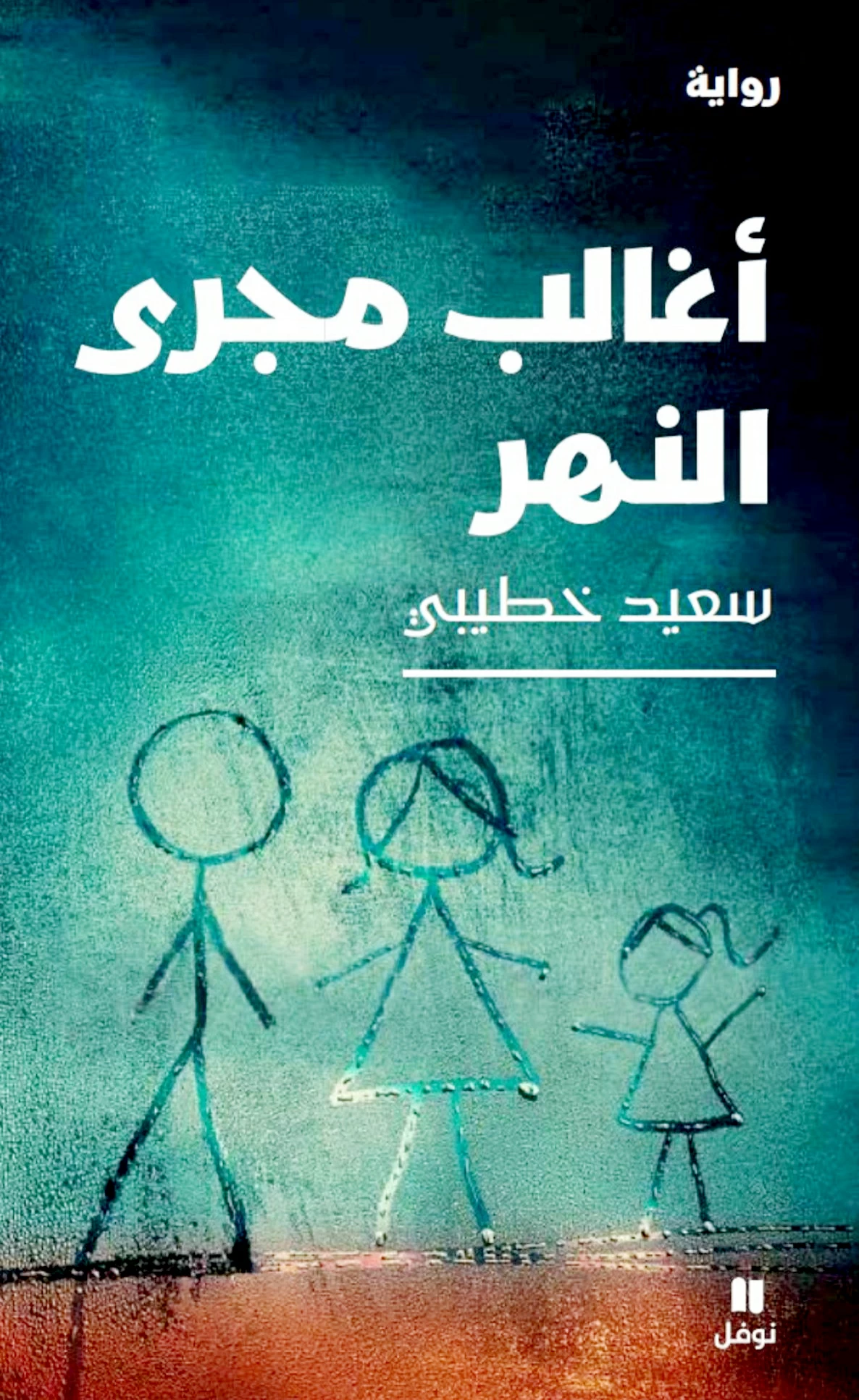
لا يكتب الروائي الجزائري سعيد خطيبي التاريخ بوصفه وقائع جامدة، ولا يتعامل مع الذاكرة باعتبارها مخزناً للأحداث المنقضية، بل يقترب منهما بوصفهما مادة حيّة قابلة للمساءلة والتأويل وإعادة التخيل. وفي مشروعه الروائي، الذي تُوِّج أخيراً بالجائزة العالمية للرواية العربية (البوكر) عن روايته (أغالب مجرى النهر)، تبدو الكتابة محاولة دؤوبة لاستعادة الإنسان من بين ركام السرديات الكبرى، والإنصات إلى ما تقوله الأصوات المهمشة بعيداً عن الرواية الرسمية.
في هذا الحوار مع «عكاظ» يفتح خطيبي أبواب تجربته الإبداعية، ويتحدث عن بداياته الشاقة مع القراءة والكتابة في الجزائر، وعن علاقته بالتاريخ والذاكرة، وجماليات السرد، وموقع النقد، وأثر الصحافة في أسلوبه، كما يكشف ملامح مشروعه الجديد ورؤيته لمستقبل الأدب العربي في زمن التقنية والذكاء الاصطناعي.
من البدايات الشاقة إلى منصة البوكر
• نهنئك بفوزك بجائزة «البوكر» العربية عن رواية «أغالب مجرى النهر».. كيف كان إحساسك وأنت تستعيد المسار الذي قادك من الكتابة الأولى إلى رواية متوجة بجائزة عربية مرموقة؟
•• شكراً أسماء.. لا أستعيد مجرد مسار أدبي، بل أستعيد حياة كاملة، بما انطوت عليه من قسوة وعناد. لقد بدأت الكتابة في زمنٍ كان الكتاب بالعربية في الجزائر يشبه العثور على كنزٍ، كمن يعثر على ماء في صحراء، لا سيما في مدينتي البعيدة جنوب العاصمة بمئات الكيلومترات. لم تكن القراءة حقاً بل مغامرة. كانت هناك مكتبة واحدة، أغلقت أبوابها جراء العشرية السوداء، فصرنا نتقاسم الكتاب الواحد، تتداوله الأيدي حتى يبهت غلافه وصفحاته.
الطريق إلى الكتابة كان مفروشاً بالمشقة. كنا نرتجف كلما انقطع التيار الكهربائي ليلاً، لأن ذلك كان يعني احتمال هجوم إرهابي في العتمة. نشأنا على إيقاع الرصاص، وعلى ذاكرة الانفجارات، لكننا لم نتخلّ عن حقنا في الحلم. كنا في النهار نعيش واقعاً خشناً، ونحتمي ليلاً ببساتين نزرعها في الخيال. في هذا التوتر بين ما هو حاصل وما ينبغي أن يكون، وُلدت الكتابة. وبرأيي، فإن الكتابة هي قدرة الإنسان على أن يجتاز القسوة دون أن يفقد حساسيته، وأن يحوّل الندوب إلى لغة، والخوف إلى معنى. لذلك فإن الجائزة العالمية للرواية العربية تعني لي أن الحلم لا بد أن يجد طريقه إلى النور.
الرواية.. بحث يتحول إلى حكاية
• ما رؤيتك لموقع الكتابة الروائية داخل مسارك الإبداعي؛ هل هي امتداد للبحث الثقافي؟ أم مجال مستقل له منطقه الخاص؟
•• الكتابة الروائية هي النهر الذي أشقّ فيه طريقي، وأعيد رسم حدوده كلما ظننت أنني بلغت الضفة. في البدء، أكتب بحثاً عن معنى يليق بهذه الحياة. في زمن بعيد، لم تكن الكتب بالعربية متاحة في جواري كما أسلفت، فآويت إلى الفرنسية، لا بوصفها لغة أخرى، بل مرآة أرى فيها ما ينقصني. كنت أختار روايات صغيرة، وأعيد كتابتها بالعربية على كراريس مدرسية. ولم أكن أعلم أن تلك النصوص كانت مترجمة من قبل. ثم بدأت ألعب؛ أبدّل مصائر الشخصيات وأغيّر نهاياتها. لم يكن ذلك تمريناً على الترجمة، كان تمريناً على قدري في الكتابة.
لم أدرك وقتها أن هذه اللعبة التي بدت بريئة، كانت تعيد كتابة مساري أنا، وتدرّبني على أن أكون شريكاً في النص لا مجرد قارئ له. وحين تخرجت من شعبة العلوم في المدرسة الثانوية، اخترت الأدب في الجامعة من أجل إصغاء أعمق إلى الناس، إلى حكاياتهم، وإلى ما لا يُقال في العلن. وبدأت أبحث عن سبل فنية لا تكتفي برواية ما أنظر إليه أو ما أفكر فيه، بل تعيد ترتيب الفوضى من حولي. كنت، وما زلت، أجرّب أن أبتكر مسارات للكتابة بقدر ما أبتكر أسئلة للحياة. ومنذ سنوات طويلة، أعيش على إيقاع شبه ثابت؛ أقرأ كثيراً وأكتب قليلاً. هكذا تبدو لي الرواية مثل نقطة يتحول فيها البحث إلى حكاية، وتتحول الحكاية إلى معرفة.
• هل انبثقت ولادتك الإبداعية من داخل اللغة؟ أم من داخل الأسئلة التي دأبت على طرحها على الواقع؟
•• الكاتب ليس حبيس اللغة فحسب، ولا حبيس الأسئلة فقط، بل يولد من مسافة بينهما، يتولد فيها القلق.. ذلك القلق الذي يوقظ الكتابة من سكونها، ويجعل اللغة تتحول من مجرد أداة إلى مادة ملموسة، بينما تصبح الأسئلة كوّة يطلّ منها على العالم. فالكاتب يقيم في الشك، لأن اليقين يقف على النقيض من روح الأدب. وفي هذا الشد بين اللغة والسؤال يولد الكاتب. وكلما اتسعت دائرة أسئلته، ازداد قرباً من عمق التجربة في الكتابة.
التاريخ في الرواية.. إنسان لا أرشيف
• إلى أي حد يمكن للرواية أن تعيد كتابة الماضي دون أن تتحول إلى بديل عن المؤرخ؟
•• أميل إلى القول إن التاريخ لا يُكتب بيد المؤرخين وحدهم، بل يعيد الأدب صياغته أيضاً. فالمؤرخ يدوّن ما وقع من أرقام وتواريخ وأسماء، بينما الأدب يتسلل إلى ما لم يُدوّن، إلى اللحظة الإنسانية، إلى ما شعر به البشر وهم يعبرون لحظاتهم. بل إن الأدب يعيد للتاريخ إنسانيته. فالرواية لا تعيد تدوير الماضي، بل تتأمله، وتعيد مساءلته، وتفتحه على احتمالات لم تُكتب في سجلات المؤرخين.
وفي السياق العربي، يبدو الزمن وكأنه يعيد نفسه في حلقات متشابهة. والكاتب لا يعود إلى الوراء، بل يستدعي ما كان ليرى ما يكون. لأن الحاضر لا يُفهم إلا بما سبقه. والذاكرة عصب ينبض في جسد الكتابة، ما يجعل التاريخ مادة حيّة في النص، نقيس بها إذا تقدمنا حقاً أم أننا ما زلنا ندور في مكاننا.
• ما الذي يدفعك إلى العودة المتكررة إلى التاريخ بوصفه مادة سردية، لا مجرد خلفية للأحداث؟
•• لأنني لا أرى التاريخ شيئاً مضى، بل يسكننا بقدر ما نسكنه. نحن لسنا خارج الزمن ولا على هامش الحكاية، بل امتداد لما حصل. ما يجري أمامنا ليس وقائع طارئة ومعزولة، بل تراكم من الماضي وأخطاء لم يُعترف بها في حينها. الالتفات إلى الخلف ليس حنيناً، وأنا لا أحب كلمة الحنين، بل ضرورة معرفية، أشبه بمحاولة إنقاذ للذاكرة. من أجل أن نفهم موضع العطب، علينا أن نصغي إلى الجذور، وأن نعيد قراءة اللحظات التي تشكّل فيها الخلل وامتد إلى حاضرنا. هنا يصبح الأدب أشبه بمشرط نفكّك به الوقائع من أجل فهمها وتأملها.
• عندما تشتغل على وقائع تاريخية، ما الحدود التي تضعها بين التوثيق والتخييل؟
•• الوقائع التاريخية ليست حقائق مكتملة، بل احتمالات لم تُستنفد. أنا أكتب في التخييل، في التخييل وحده، حتى إن كانت نقطة البدء واقعة راسخة في السرديات السابقة أو لحظة أجمعت عليها الذاكرة الجمعية. ما يشدني ليس ما جرى، بل لماذا حصل ما حصل. أكتب انطلاقاً من ارتياب وشك: ماذا لو لم تسر الوقائع على النحو الذي سلّمنا به؟ ماذا لو كانت الحقيقة، في أحد وجوهها، قد أُقصيت لصالح رواية أكثر انسجاماً مع السلطة أو الذاكرة؟
أنا لا أستعيد الحدث، بل أفتح فيه مسالك جديدة، لأعيد مساءلته من الداخل. لا تعنيني الواقعة بقدر ما يعنيني الطريق الذي أفضى إليها. لأن السؤال فعل معرفي وجمالي في آن، يتقدم على الإجابة ويتفوق عليها. السؤال يُبقي التخييل في حالة خصوبة، لذلك أجد في التخييل مرتبة أرفع من التوثيق.
• هل تشعر أن التاريخ في العالم العربي لا يزال يحتاج إلى الرواية كي يُفهم خارج الصياغة المدرسية أو الرسمية؟
•• أظن أن الإشكال يكمن في طبيعة علاقتنا بالتاريخ نفسه، لأن التاريخ لا يزال حبيس هالة من التقديس، ويجري التعامل معه كأنه نص مكتمل لا يقبل المساءلة، مع أنه تجربة إنسانية قابلة للتأويل والنقد وإعادة القراءة. إن أول خطوة نحو فهم أعمق للتاريخ ليست في إعادة سرده، بل في تحريره من سلطة القداسة التي تضفي عليه طابعاً يخرجه من سياقه ويضيّق أفق النظر إليه.
حين نكف عن تجريم السؤال، وعن ملاحقة من يقترب من التاريخ بروح نقدية، نكون قد فتحنا باباً واسعاً لتعدد الأصوات وتكاثر الرؤى. وهكذا تصير الرواية بديلاً جمالياً للسرد المدرسي للتاريخ، وفضاءً يستعيد القيمة الإنسانية في الوقائع. وعندها يتحول التاريخ من حقيقة جامدة إلى كائن حي يتنفس من خلال التخييل والتأويل، ويغدو قابلاً للفهم لا مجرد الحفظ.
الذاكرة الجزائرية وصوت المهمشين
• كيف تتصور العلاقة بين الذاكرة الفردية والذاكرة الجمعية في المجتمعات التي شهدت تحولات عنيفة أو صدمات تاريخية؟
•• هذا سؤال ينطبق على الحالة الجزائرية، حيث يختل الإيقاع بين الذاكرة الجمعية والذاكرة الفردية. هناك جمع يتكلم بصوت واحد، بينما الأفراد لا يصغي إليهم أحد. والحالة الجزائرية تجسد هذا التأزم بوضوح. فثمة فجوة تتسع بين ذاكرة جمعية تميل إلى ابتكار سردية منسجمة مع مقتضيات المرحلة، وغالباً مع خطاب السلطة، وذاكرة فردية تعيش ما يشبه النشاز، تتقبل هزائمها بصمت، وتتحمل نزيفها في صمت.
تلك الذاكرة الجمعية تدفع من يخالفها إلى الهامش، ومن هذا الإقصاء تتراكم طبقات من المنسيين، أولئك الذين لم ينالوا حق تحويل معاناتهم إلى سرد معترف به. وفي أعقاب ما يُعرف بالعشرية السوداء، ظهر هذا الشرخ بين رواية رسمية تسعى إلى فرض منطق واحد، وروايات الشهود والضحايا التي تظل غير مسموعة. لذلك حاولت في روايتي رد الاعتبار للصوت الهامشي بوصفه جزءاً أصيلاً من الحقيقة. وعندما أكتب، لا أنحاز إلى المركز بقدر ما أنصت إلى الأطراف، إلى أولئك الذين سُلب منهم حق الكلام وأُجبروا على العيش خارج الصورة الجمعية. أكتب كي أمنحهم موطئ قدم في اللغة، ومساحة يبوحون فيها بما عجزت الذاكرة الجمعية عن احتوائه. ففي زمن يسعى إلى فرض حكاية واحدة، يصبح الأدب مقاومة ضد هذا الاختزال.
جماليات السرد وتعدد الأصوات
• ما اللحظة التي أدركت فيها أن السرد هو الوسيلة الأقدر للتعبير عن الواقع وطرح السؤال المعرفي؟
•• برأيي، الرواية ليست ترفاً للتسلية، بل مغامرة محفوفة بالمخاطر، تطال الكاتب كما تطال القارئ. إنها تقود إلى مناطق غير مأمونة، حيث لا تكون الكتابة مجرد بناء حكائي، بل اختباراً للوعي والذاكرة والقدرة على فهم الماضي واستشراف المستقبل. لذلك لا أشرع في الكتابة إلا بعد مراحل من البحث والتقصي، لأن النص لا يولد من الخيال وحده، بل من احتكاك مع حقول المعرفة الأخرى.
نلاحظ أن الرواية الحديثة ليست مجرد حكاية تُروى، بل مسالك تتشعب فيها الفلسفة والأنثروبولوجيا وعلم النفس وعلم الاجتماع، كما أنها إصغاء إلى الإنسان في تعقيده، ومحاولة لفهم ما لا يُرى. إنها معرفة تتخفى في هيئة رواية. كما أنني أنحاز إلى البوليفونية في الكتابة، باعتبارها موقفاً جمالياً. فالصوت الواحد في السرد يذكّرني بأنظمة سياسية تحتكر الحقيقة. أما تعدد الأصوات، فيفتح النص على زوايا نظر متباينة، لا تغني الخطاب السردي فحسب، بل توسع أفقه المعرفي. فالرواية لا تنطلق من رغبة الحكي وكفى، بقدر ما تنبثق من حاجة إلى الفهم، من سؤال يتسع حتى يصير نصاً. والرواية لا تدّعي الحقيقة، بل تدّعي الاقتراب منها.
• كيف تتشكل شخصياتك الروائية؛ من الفكرة؟ أم من المناخ التاريخي؟ أم من التوترات النفسية والاجتماعية؟
•• من الصعب أن أحدد كيف تتشكل الشخصية الروائية في مخيلتي، فهي لا تأتي من نافذة واحدة ولا تخضع إلى منطق واحد. قد تنبثق من ذكرى عابرة، أو مناخ تاريخي، أو من قرار واعٍ يتهيأ في لحظة صفاء، وقد تبدأ كفكرة مكتملة. وفي الغالب، تولد الشخصية في منطقة تماس بين التاريخي والنفسي. أحياناً تكون ثمرة سؤال يحوم في ذهني، وأحياناً أخرى تخرج من لحظة قلق.
لا أشعر أنني أخلق شخصياتي بقدر ما أصغي إليها. إنها شخصيات تتسرب من الهامش إلى متن النص، وتنمو وتأخذ ملامحها شيئاً فشيئاً، حتى تجد مكانها في الرواية. والسؤال الذي يشغلني ليس من أين تأتي الشخصيات، بل كيف تظل وفية لتناقضاتها، وكيف أنجح في أن تتحول من مجرد بناء تخييلي إلى كائن حي، إلى صورة تترك أثرها في ذاكرة القارئ.
• ما أهمية المكان في نصوصك، خصوصاً حين يتصل بالذاكرة أو بالتحول السياسي؟
•• لا أتعامل مع المكان بوصفه إطاراً محايداً تدور فيه الأحداث، بل كمحرّك للنص، يوازي الشخصية في حضوره وتأثيره. يحدد المكان سلوك الشخصيات، ونبرة السرد، وحتى صمتها. إنه فضاء ينتقل من حيّز جغرافي إلى شعور. قد يكون شارعاً أو بيتاً أو مدينة، لكنه في كل الحالات ينخرط في زمن وينطوي على حكايات. الأمكنة تعيد كتابة ساكنيها، تمنحهم ملامحهم، وتملي عليهم إيقاع وجودهم. ولهذا فإن الكتابة عن المكان ليست وصفاً، بل كشف لعلاقته بالإنسان. المكان أحد وجوه الحكاية.
المرأة والعائلة والسلطة في العالم الروائي
• كيف تنظر إلى حضور المرأة والعائلة والسلطة داخل العالم الروائي الذي تبنيه؟
•• أنا صنيع نساء، وهي حقيقة قد يتردد البعض في الإفصاح عنها، لكنها بالنسبة لي مصدر اعتزاز. ففي كل مرة كدت أتعثر فيها، كانت هناك امرأة تعيد لي توازني، لا بالنصيحة فحسب، بل بذلك الحضور الذي يرمّم ما تصدع في الداخل. تعلمت من النساء الجزائريات الصبر، وأن المكاشفة شجاعة لا ضعف. وتعلمت منهن بث الحياة في الأشياء الصامتة، وتحويل اليومي إلى حكاية.
أما العائلة، فأراها امتداداً لهذا الحضور. ليست مجرد بنية اجتماعية، بل نسيج تتقاطع فيه التجارب، وتتشابه فيه التفاصيل عبر الثقافات. ثمة شيء كوني في العائلة، يجعل حكاية محلية قادرة على أن تجد صداها في أمكنة بعيدة. وهذا ما يشدني إليها في الكتابة، تلك المساحة المشتركة التي يلتقي فيها المختلفون. وفي ما يتعلق بالسلطة، خصوصاً في معناها السياسي، فإنني أتعامل معها بحذر. لا أستسلم لليقين الذي تفرضه سردياتها، بل أقاربها من موقع الشك، لأن الشك أداة ضرورية في الكتابة. فالكتابة ليست ترديداً للصوت الأكثر ضجيجاً، بل إصغاء للصوت المقصى، وانحياز إلى ما يحجبه الخطاب السائد.
القارئ والنقد.. النص الحي لا يخشى الأسئلة
• كيف تتعامل مع القارئ متعدد الخلفيات، خصوصاً حين تنتقل النصوص بين مرجعيات جزائرية وعربية ومتوسطية؟
•• عندما أكتب، لا أضع القارئ في مركز التفكير، بل أستدعي عزلة تتيح لي أن أكون في علاقة صافية مع اللغة والكتابة. في تلك اللحظة، ألغي الضجيج الخارجي وأجلس في مواجهة النص. ومع ذلك، لا يعني هذا غياب القارئ من أفق الكتابة، بل يعني أنني أتحمل مسؤولية الصدق تجاهه. وحين تنتقل النصوص بين مرجعيات مختلفة، يصبح هذا القارئ متعدد الخلفيات ليس مجرد متلقٍ واحد، بل شبكة من القراءات الممكنة.
وهنا تتعقد الكتابة وتغتني في الوقت نفسه، إذ يتعين عليها أن تحافظ على خصوصيتها دون أن تنغلق، وأن تنفتح دون أن تفقد جذورها. لذلك أرى أن التوازن الحقيقي يكمن في الصدق أثناء الكتابة؛ أن أكتب من موقع التجربة والمعرفة، وأن أبحث قبل أن أزعم القول، وأن أتحمل مسؤولية ما أكتب. فحين يُفرط الكاتب في التفكير بالقارئ، يضيق النص.
• ما موقع النقد الأدبي من مشروعك الروائي؟ وهل تميل إلى استقبال القراءة النقدية بوصفها كشفاً جديداً للنص أم اختباراً له؟
•• يظل النقد الأدبي شرطاً لا غنى عنه في أي مشروع روائي جاد، حتى وإن كان النقد يعيش اليوم، في تقديري، حالة من التحول، ولم يعد يحتفظ بالزخم الذي كان له في زمن سابق. ومع ذلك، فهو لا يزال يتنفس ويحاول الخروج من أزمته. أنا أتعامل مع النقد بوصفه ضرورة، لكنني في الوقت نفسه أحذر من ذلك النوع من التلقي الذي يكتفي بالإشادة، ويحوّل العمل الروائي إلى مساحة مديح أحادي. لأن الأدب لا يقوم على الإعجاب وحده، بل على ثنائية تراوح بين القبول والاعتراض، بين القراءة التي تضيء والقراءة التي تربك، وكلاهما جزء من حيويته.
ثم إنني أجد نفسي ممتناً للنقاد الذين رافقوا رواياتي عبر السنوات، واختلفوا في مقارباتهم، لأن هذا الاختلاف هو ما يمنح النص روحاً. فكل قراءة نقدية، مهما كانت زاويتها، تضيف إضاءة جديدة إلى العمل، وتكشف ما قد لا يكون الكاتب نفسه واعياً به. ما يهمني ليس أن تحظى الرواية بإجماع، بل أن تفتح أفقاً للأسئلة. أن تُحدث أثراً نقدياً يهدم المسلمات، ويحرك التفكير لدى القارئ والناقد معاً. فالنص الذي لا ينتج نقاشاً يبقى نصاً جامداً، بينما الرواية الحية هي تلك التي تُبقي باب السؤال مفتوحاً على الدوام.
الصحافة والكتابة.. الانضباط والاقتصاد في اللغة
• كيف أثرت تجربتك في الصحافة على أسلوبك الروائي؟
•• يحصل أن جلّ الكتّاب الذين شكّلوا وجداني دخلوا من باب الصحافة، على غرار الطيب صالح، وألبير كامو، وإرنست هيمنغواي، وغابرييل غارسيا ماركيز. من الصحافة تعلّمت الإصغاء إلى حكايات الآخرين، كما تعلّمت منها الانضباط والاقتصاد في اللغة، والاقتراب من جوهر الأشياء دون إغراق النص في زوائد لا تخدم المعنى.
الصحافة تقوّض وهم الكمال، فهي تضعك على الدوام أمام نص ناقص، قابل للمراجعة، وتجعلك تدرك أن الكتابة ليست سعياً لبلوغ الكمال، بل تمرين على الاقتراب منه. كما منحتني الصحافة ثقافة تقبل النقد، والدفاع عن حقي في الخطأ، لأن الخطأ جزء من مغامرة الكتابة نفسها.
المشهد المغاربي والجزائري.. بين الزخم والاختلال
• هل ترى أن الكاتب المغاربي اليوم يحصل على مساحة كافية للتعبير داخل العالم العربي؟
•• إن العالم العربي فضاء كوني متحرك، جزء من المغامرة الإنسانية في أوسع معانيها. وقد صار أكثر قدرة على تأمل ذاته، وعلى استقبال ما يختلف عنه، بحيث إن المشرق والمغرب العربيين يتبادلان الإصغاء والتأثير. لقد تراجعت، إلى حد بعيد، تلك النظرة القديمة التي كانت تفصل بين ضفتين، وتوهم بأن بلداناً مثل الجزائر أو المغرب أقرب إلى فرنسا منها إلى عمقها العربي. كانت تلك من بقايا وعي استعماري. أما اليوم، فهناك إدراك متزايد بأن الكتابة بالعربية في المغرب العربي لها امتداد وجذور تعود إلى قرون من التراكم الثقافي.
• ما تقييمك للمشهد الأدبي الجزائري المعاصر؟ وهل تعتقد أنه يعيش نهضة سردية حقيقية؟
•• يعيش المشهد الأدبي في الجزائر بين نقيضين، كمن يمشي فوق خيط رفيع. فمن جهة، هناك زخم سردي لافت، وأصوات جديدة تكتب بصدق، مسنودة بوعي وبحث جاد، تعيد إلى الكتابة معناها الأول باعتبارها فعلاً خلاقاً. ومن جهة أخرى، هناك مناخ مضطرب، في ظل غياب منظومة ثقافية تحمي الكاتب أو ترافقه، وغياب سوق الكتاب، وتراجع الفضاءات التي يمكن أن تحتضن هذا الأدب.
في مثل هذا السياق، لا تعود الهجرة خياراً فردياً فحسب، بل تتحول إلى قدر جماعي. نسمع عمّن يعبر البحر في هجرة سرية إلى أوروبا على متن قارب، ونغفل عن كتّاب يعبرون إلى الخارج علناً على متن كتاب، وكلاهما تعبير عن القطيعة نفسها. يولد الكاتب في الجزائر، لكنه يجد نفسه، في لحظة ما، مدفوعاً إلى مغادرتها، لا لأنه اختار الرحيل، بل لأن شروط البقاء تضيق مع تراجع العناية بالكتاب. ومع ذلك، لا يبدو الأفق مغلقاً تماماً، فما يزال بالإمكان تدارك هذا الاختلال إذا ما أعدنا الاعتبار إلى فكرة بسيطة؛ أن تاريخ الجزائر يُصان في نصوص وأعمال كتّابها. لقد حمل الكتّاب عبء الذاكرة، وفي زمن العشرية السوداء دفعوا الثمن، إذ سقط ما لا يقل عن 120 صحفياً وكاتباً ضحايا للعنف الأعمى. لذلك فإن أي نهضة مأمولة لا يمكن أن تستقيم دون رعاية العقول، ودون الإنصات إلى الكتّاب.
الرواية الجديدة.. والتقنية التي تُقلق الأدب
• هل تعتبر كل رواية ترجمة لمرحلة من حياتك، أم أنها مشروع فكري مستقل؟
•• كل رواية هي تجربة مختلفة، وهي محاولة لفهم ما يغيب عني.
• هل تعمل الآن على مشروع روائي جديد؟ وما الملامح التي يمكن أن تكشفها عنه؟
•• نعم، أنا بصدد عمل جديد، شرعت فيه العام الماضي، عقب صدور رواية ()أغالب مجرى النهر(». أكتب عن زمن آخر من هذا التاريخ العربي الملتهب، عن الإنسان في هشاشته وكذلك في صبره، عن شخصيات لا تخجل من تناقضاتها، وعن المرأة التي تحمي مجتمعها من الانحراف.
• كيف ترى مستقبل الأدب العربي في ظل التقنيات والذكاء الاصطناعي والنشر الرقمي؟
•• يبدو الوضع غير مريح مع استخدام الذكاء الاصطناعي في الأدب، ويبدو أننا ننحو إلى زمن تنقلب فيه المفاهيم. سوف نصل إلى زمن نَحِنّ إلى النصوص القديمة، إلى الأعمال الكلاسيكية، لأن الذكاء الاصطناعي سوف يفضي إلى تشابه في الأدب، بما ينزع عنه عنصر الدهشة. وبرأيي، كلما تقدمت التقنية تراجع الأدب. لذلك أنا أزهد في استخدام وسائل التواصل الاجتماعي، وأرى في الذكاء الاصطناعي عاملاً سلبياً في حالة الأدب.
The Algerian novelist Said Khatibi does not write history as rigid facts, nor does he treat memory as a mere repository of past events; rather, he approaches both as living material subject to questioning, interpretation, and re-imagination. In his recent novel project, which was awarded the International Prize for Arabic Fiction (the Booker) for his novel “I Overcome the Course of the River,” writing appears as a relentless attempt to reclaim humanity from the rubble of grand narratives and to listen to what marginalized voices say away from the official narrative.
In this interview with “Okaz,” Khatibi opens the doors to his creative experience, discussing his difficult beginnings with reading and writing in Algeria, his relationship with history and memory, the aesthetics of narrative, the role of criticism, and the impact of journalism on his style. He also reveals the outlines of his new project and his vision for the future of Arabic literature in the age of technology and artificial intelligence.
From Difficult Beginnings to the Booker Platform
• Congratulations on winning the Arabic “Booker” Prize for your novel “I Overcome the Course of the River.” How did you feel as you reflect on the journey that led you from your early writing to a novel crowned with a prestigious Arab award?
•• Thank you, Asmaa. I do not just recall a literary path; I recall a whole life, with all its harshness and stubbornness. I began writing at a time when finding books in Arabic in Algeria was like discovering a treasure, like finding water in the desert, especially in my city, which is hundreds of kilometers south of the capital. Reading was not a right but an adventure. There was only one library, which closed its doors due to the black decade, so we had to share one book, passing it around until its cover and pages faded.
The road to writing was paved with hardship. We would tremble whenever the electricity went out at night, as it meant the possibility of a terrorist attack in the darkness. We grew up to the rhythm of gunfire and the memory of explosions, but we did not abandon our right to dream. During the day, we lived a harsh reality, and at night we took refuge in gardens we planted in our imagination. In this tension between what is happening and what should be, writing was born. In my opinion, writing is the human ability to traverse cruelty without losing sensitivity, to transform scars into language, and fear into meaning. Therefore, the International Prize for Arabic Fiction means to me that the dream must find its way to the light.
The Novel… A Search That Becomes a Story
• What is your vision of the place of novel writing within your creative path? Is it an extension of cultural research? Or an independent field with its own logic?
•• Novel writing is the river through which I carve my path, redrawing its boundaries every time I think I have reached the shore. Initially, I write in search of a meaning worthy of this life. Long ago, books in Arabic were not available nearby, as I mentioned, so I turned to French, not as another language but as a mirror in which I see what I lack. I would choose small novels and rewrite them in Arabic on school notebooks. I did not know that those texts had already been translated. Then I began to play; I would change the fates of characters and alter their endings. This was not an exercise in translation; it was an exercise in my destiny in writing.
I did not realize at the time that this seemingly innocent game was rewriting my own path and training me to be a partner in the text, not just a reader of it. When I graduated from the sciences track in high school, I chose literature at university for a deeper listening to people, their stories, and what is not said in public. I began to search for artistic ways that do not merely narrate what I see or think, but rearrange the chaos around me. I was, and still am, experimenting with creating paths for writing as much as I create questions for life. For many years, I have lived to a nearly fixed rhythm; I read a lot and write little. Thus, the novel seems to me like a point where research turns into a story, and the story transforms into knowledge.
• Did your creative birth emerge from within the language? Or from the questions you constantly posed to reality?
•• The writer is not confined to language alone, nor to questions alone, but is born from a distance between them, where anxiety is generated… that anxiety that awakens writing from its stillness and makes language transform from a mere tool into tangible material, while questions become a window through which to view the world. The writer resides in doubt, for certainty stands in opposition to the spirit of literature. In this tension between language and question, the writer is born. The broader the circle of his questions, the closer he becomes to the depth of experience in writing.
History in the Novel… A Human, Not an Archive
• To what extent can the novel rewrite the past without becoming a substitute for the historian?
•• I tend to say that history is not written solely by historians; literature also reshapes it. The historian records what happened in numbers, dates, and names, while literature sneaks into what has not been recorded, into the human moment, into what people felt as they crossed their moments. Indeed, literature restores humanity to history. The novel does not recycle the past; it contemplates it, re-questions it, and opens it up to possibilities that have not been written in historians’ records.
In the Arab context, time seems to repeat itself in similar cycles. The writer does not look back but summons what was to see what is. For the present can only be understood by what preceded it. Memory is a nerve that pulses in the body of writing, making history live material in the text, by which we measure whether we have truly advanced or if we are still spinning in place.
• What drives you to repeatedly return to history as narrative material, not just as a backdrop for events?
•• Because I do not see history as something that has passed; it inhabits us as much as we inhabit it. We are not outside of time nor on the margins of the story, but an extension of what has happened. What occurs before us is not isolated and sudden events, but a buildup of the past and mistakes that were not acknowledged at the time. Looking back is not nostalgia, and I do not like the word nostalgia; it is a cognitive necessity, akin to an attempt to rescue memory. To understand the point of failure, we must listen to the roots and reread the moments in which the malfunction was formed and extended into our present. Here, literature becomes akin to a scalpel with which we dissect events to understand and contemplate them.
• When you work on historical events, what boundaries do you set between documentation and imagination?
•• Historical events are not complete facts; they are possibilities that have not been exhausted. I write in imagination, in imagination alone, even if the starting point is a firmly established event in previous narratives or a moment agreed upon by collective memory. What captivates me is not what happened but why it happened. I write from a place of suspicion and doubt: what if events did not unfold as we have accepted? What if the truth, in one of its aspects, was excluded in favor of a narrative more harmonious with power or memory?
I do not recall the event; I open new pathways within it to re-question it from the inside. The event does not concern me as much as the path that led to it. Because the question is both a cognitive and aesthetic act, it precedes and surpasses the answer. The question keeps imagination in a state of fertility; therefore, I find imagination to hold a higher rank than documentation.
• Do you feel that history in the Arab world still needs the novel to be understood outside of the school or official narrative?
•• I believe the issue lies in the nature of our relationship with history itself, as history remains confined to a halo of sanctity, treated as if it were a complete text that does not accept questioning, even though it is a human experience subject to interpretation, critique, and re-reading. The first step toward a deeper understanding of history is not in retelling it but in liberating it from the authority of sanctity that gives it a character that removes it from its context and narrows the horizon of how to view it.
When we cease to criminalize the question and pursue those who approach history with a critical spirit, we open a wide door to the multiplicity of voices and the proliferation of perspectives. Thus, the novel becomes an aesthetic alternative to the school narrative of history, a space that restores the human value in events. At that point, history transforms from a rigid fact into a living being that breathes through imagination and interpretation, becoming comprehensible rather than merely memorized.
Algerian Memory and the Voice of the Marginalized
• How do you envision the relationship between individual memory and collective memory in societies that have experienced violent transformations or historical shocks?
•• This question applies to the Algerian situation, where the rhythm between collective memory and individual memory is disrupted. There is a collective that speaks with one voice, while individuals are not listened to. The Algerian case clearly embodies this crisis. There is a widening gap between a collective memory that tends to create a narrative consistent with the requirements of the phase, often aligned with the discourse of power, and an individual memory that experiences what resembles dissonance, accepting its defeats in silence and bearing its bleeding in silence.
This collective memory pushes those who oppose it to the margins, and from this exclusion, layers of the forgotten accumulate—those who have not had the right to transform their suffering into an acknowledged narrative. In the aftermath of what is known as the black decade, this rift appeared between an official narrative that seeks to impose a single logic and the narratives of witnesses and victims that remain unheard. Therefore, I attempted in my novel to restore the dignity of the marginalized voice as an integral part of the truth. When I write, I do not align myself with the center as much as I listen to the peripheries, to those who have been deprived of the right to speak and forced to live outside the collective image. I write to give them a foothold in language and a space to express what collective memory has failed to contain. In an era that seeks to impose a single story, literature becomes a resistance against this reduction.
Aesthetics of Narrative and the Multiplicity of Voices
• What was the moment you realized that narrative is the most capable means of expressing reality and posing the cognitive question?
•• In my opinion, the novel is not a luxury for entertainment but an adventure fraught with risks, affecting both the writer and the reader. It leads to uncharted territories, where writing is not merely a narrative construction but a test of consciousness, memory, and the ability to understand the past and anticipate the future. Therefore, I do not begin writing except after stages of research and inquiry, because the text does not emerge from imagination alone but from friction with other fields of knowledge.
We observe that modern novels are not merely stories told, but pathways where philosophy, anthropology, psychology, and sociology intersect, as well as a listening to humanity in its complexity, and an attempt to understand what is not seen. It is knowledge disguised as a novel. I also lean towards polyphony in writing as an aesthetic stance. A single voice in narrative reminds me of political systems that monopolize truth. However, the multiplicity of voices opens the text to diverse perspectives, enriching the narrative discourse and broadening its cognitive horizon. The novel does not stem from a mere desire to tell a story; rather, it emerges from a need to understand, from a question that expands until it becomes a text. The novel does not claim truth; it claims to approach it.
• How do your fictional characters take shape? From the idea? Or from the historical climate? Or from psychological and social tensions?
•• It is difficult to determine how a fictional character takes shape in my imagination; it does not come from a single window nor adhere to a single logic. It may emerge from a fleeting memory, a historical climate, or a conscious decision that prepares itself in a moment of clarity, or it may start as a complete idea. Often, the character is born in a contact zone between the historical and the psychological. Sometimes it is the fruit of a question hovering in my mind, and at other times it emerges from a moment of anxiety.
I do not feel that I create my characters as much as I listen to them. They are characters that seep from the margins into the text, growing and taking shape little by little until they find their place in the novel. The question that occupies me is not where the characters come from, but how they remain true to their contradictions, and how I succeed in transforming them from mere imaginative constructs into living beings, into images that leave their mark in the reader’s memory.
• What is the importance of place in your texts, especially when it relates to memory or political transformation?
•• I do not treat place as a neutral framework in which events unfold, but as a driving force in the text, equal to the character in its presence and impact. Place determines the behavior of characters, the tone of the narrative, and even their silence. It is a space that transitions from a geographical area to a feeling. It may be a street, a house, or a city, but in all cases, it engages in time and encompasses stories. Places rewrite their inhabitants, giving them their features and dictating the rhythm of their existence. Therefore, writing about place is not mere description but a revelation of its relationship with humanity. Place is one of the faces of the story.
Women, Family, and Power in the Narrative World
• How do you view the presence of women, family, and power within the narrative world you build?
•• I am a product of women, a fact that some may hesitate to disclose, but for me, it is a source of pride. Every time I nearly stumbled, there was a woman who restored my balance, not only with advice but with that presence that mends what has cracked within. I learned from Algerian women patience and that frankness is courage, not weakness. I learned from them to breathe life into silent things and to transform the everyday into a story.
As for family, I see it as an extension of this presence. It is not just a social structure but a fabric where experiences intersect and details resonate across cultures. There is something universal in family that makes a local story capable of finding its echo in distant places. This is what draws me to it in writing, that shared space where the different meet. Regarding power, especially in its political sense, I deal with it cautiously. I do not surrender to the certainty imposed by its narratives but approach it from a position of doubt, as doubt is a necessary tool in writing. Writing is not a mere repetition of the loudest voice but a listening to the excluded voice and an alignment with what the dominant discourse obscures.
The Reader and Criticism… The Living Text Does Not Fear Questions
• How do you deal with a reader from diverse backgrounds, especially when texts shift between Algerian, Arab, and Mediterranean references?
•• When I write, I do not place the reader at the center of my thinking; rather, I invoke an isolation that allows me to have a pure relationship with language and writing. In that moment, I cancel the external noise and sit facing the text. However, this does not mean the reader is absent from the horizon of writing; it means I bear the responsibility of honesty towards them. When texts shift between different references, this reader with diverse backgrounds is not just a single recipient but a network of possible readings.
Here, writing becomes complex and enriched at the same time, as it must maintain its specificity without closing off and open up without losing its roots. Therefore, I see that true balance lies in honesty during writing; to write from a position of experience and knowledge, to research before I claim to speak, and to bear responsibility for what I write. When a writer overly fixates on the reader, the text constricts.
• What is the place of literary criticism in your novel project? Do you lean towards receiving critical readings as a new revelation of the text or as a test of it?
•• Literary criticism remains an indispensable condition in any serious novel project, even if criticism today, in my opinion, is experiencing a transformative state and no longer retains the momentum it once had. Nevertheless, it still breathes and tries to emerge from its crisis. I view criticism as a necessity, but at the same time, I caution against that type of reception that is content with praise and turns the novel into a space of singular admiration. Because literature is not based solely on admiration but on a duality that oscillates between acceptance and objection, between illuminating readings and those that confuse, both of which are part of its vitality.
Moreover, I find myself grateful to the critics who have accompanied my novels over the years and differed in their approaches, as this difference is what gives the text its spirit. Every critical reading, regardless of its angle, adds a new illumination to the work and reveals what the writer themselves may not be aware of. What matters to me is not that the novel achieves consensus but that it opens a horizon for questions. To create a critical impact that dismantles assumptions and stimulates thought in both the reader and the critic alike. A text that does not generate discussion remains a stagnant text, while a living novel is one that keeps the door of questioning always open.
Journalism and Writing… Discipline and Economy in Language
• How has your experience in journalism influenced your narrative style?
•• It happens that most writers who have shaped my sensibility entered through the door of journalism, like Tayeb Salih, Albert Camus, Ernest Hemingway, and Gabriel García Márquez. From journalism, I learned to listen to the stories of others, as well as discipline and economy in language, and to approach the essence of things without drowning the text in superfluous details that do not serve the meaning.
Journalism undermines the illusion of perfection; it constantly places you in front of an incomplete text, subject to revision, and makes you realize that writing is not a pursuit of perfection but an exercise in approaching it. Journalism also granted me a culture of accepting criticism and defending my right to be wrong, as error is part of the adventure of writing itself.
The Maghreb and Algerian Scene… Between Momentum and Imbalance
• Do you think that the Maghreb writer today has enough space to express themselves within the Arab world?
•• The Arab world is a dynamic universal space, part of the human adventure in its broadest meanings. It has become more capable of reflecting on itself and receiving what differs from it, so that the Arab East and West exchange listening and influence. The old perspective that separated the two shores and suggested that countries like Algeria or Morocco are closer to France than to their Arab depth has largely receded. That was a remnant of colonial consciousness. Today, there is an increasing awareness that writing in Arabic in the Maghreb has extensions and roots that go back centuries of cultural accumulation.
• What is your assessment of the contemporary Algerian literary scene? Do you believe it is experiencing a genuine narrative renaissance?
•• The literary scene in Algeria lives between two opposites, like someone walking on a thin thread. On one hand, there is a remarkable narrative momentum, and new voices writing sincerely, supported by awareness and serious research, restoring to writing its original meaning as a creative act. On the other hand, there is a turbulent climate, with the absence of a cultural system that protects or accompanies the writer, the lack of a book market, and the decline of spaces that can host this literature.
In such a context, emigration is not merely an individual choice but transforms into a collective fate. We hear about those crossing the sea in secret migration to Europe on a boat, while we overlook writers who cross abroad openly on the pages of books, both expressions of the same rupture. A writer is born in Algeria, but finds themselves, at some point, compelled to leave, not because they chose to depart, but because the conditions for staying are narrowing with the decline of care for books. Nevertheless, the horizon does not seem entirely closed; it is still possible to remedy this imbalance if we restore consideration to a simple idea: that Algeria’s history is preserved in the texts and works of its writers. Writers have borne the burden of memory, and during the black decade, they paid the price, as no less than 120 journalists and writers fell victim to blind violence. Therefore, any hoped-for renaissance cannot be realized without nurturing minds and listening to writers.
The New Novel… and the Technology That Disturbs Literature
• Do you consider every novel a translation of a phase of your life, or is it an independent intellectual project?
•• Every novel is a different experience, an attempt to understand what eludes me.
• Are you currently working on a new novel project? What outlines can you reveal about it?
•• Yes, I am working on a new project that I started last year, following the publication of “I Overcome the Course of the River.” I am writing about another time in this fiery Arab history, about humanity in its fragility as well as its patience, about characters who are not ashamed of their contradictions, and about the woman who protects her community from deviation.
• How do you see the future of Arabic literature in light of technology, artificial intelligence, and digital publishing?
•• The situation seems uncomfortable with the use of artificial intelligence in literature, and it appears we are heading towards a time when concepts will be inverted. We will reach a time when we long for old texts, for classical works, because artificial intelligence will lead to a homogeneity in literature, stripping it of the element of surprise. In my opinion, the more technology advances, the more literature retreats. Therefore, I refrain from using social media and see artificial intelligence as a negative factor in the state of literature.
للمزيد من المقالات
اضغط هنا