
الإسكندرية: اكتشافات أثرية جديدة لتطور الحياة الحضرية عبر العصور – أخبار السعودية
أعلنت وزارة السياحة والآثار المصرية، عن اكتشاف مجموعة متميزة من العناصر الأثرية والمعمارية في منطقة محرم بك بمحافظة الإسكندرية شمالي البلاد.
وذكرت الوزارة، في بيان، أن هذا الكشف الذي نفذته بعثة أثرية مصرية يسهم في إعادة رسم الخريطة العمرانية لمدينة الإسكندرية القديمة، وإلقاء الضوء على تطور الحياة الحضرية بها عبر عصورها التاريخية المختلفة.
وأوضحت أن أعمال الحفائر كشفت عن تسلسل حضاري متكامل يبدأ من العصر البطلمي مروراً بالعصر الروماني وصولاً إلى العصر البيزنطي، بما يعكس استمرارية الاستيطان في الموقع عبر فترات زمنية متعاقبة.
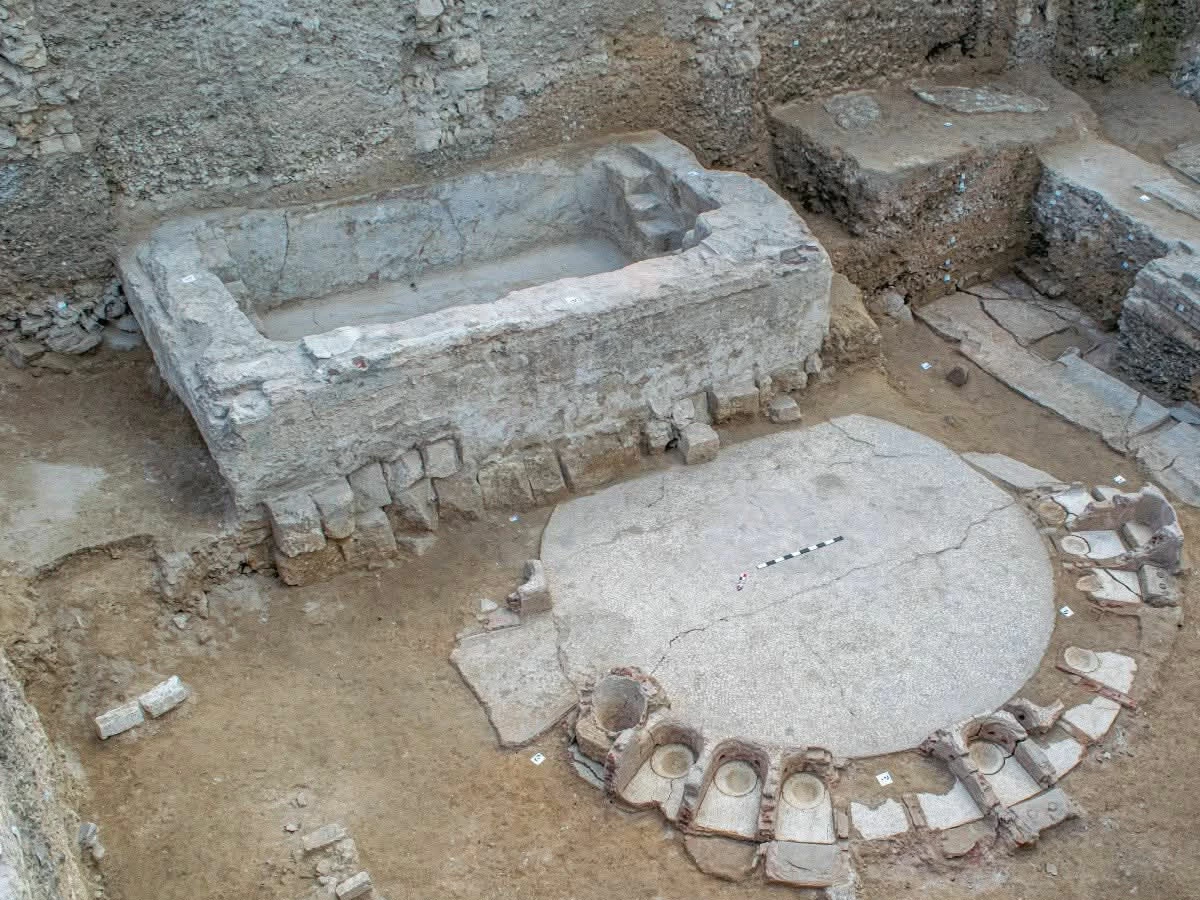
ومن أبرز المكتشفات حمام عام دائري من طراز (Tholoi) يعود إلى العصر البطلمي المتأخر، إضافة إلى بقايا فيلا سكنية رومانية مزودة بأرضيات من الفسيفساء متعددة الطرز، وهو ما يعكس ثراء وتنوع المدارس الفنية في الإسكندرية خلال العصرين البطلمي والروماني، فضلاً عن مستوى متقدم من الرفاهية والتخطيط العمراني آنذاك.
كما شمل الكشف منشآت مائية متطورة، إلى جانب مجموعة من اللقى الأثرية المنقولة، من بينها تماثيل رخامية وعملات ومسارج وأوان فخارية وأجزاء من أمفورات مختومة، بما يعكس النشاط التجاري والثقافي المزدهر الذي شهدته الإسكندرية القديمة.
The Egyptian Ministry of Tourism and Antiquities announced the discovery of a distinguished group of archaeological and architectural elements in the Moharram Bek area of Alexandria Governorate in the north of the country.
The ministry stated in a statement that this discovery, carried out by an Egyptian archaeological mission, contributes to redrawing the urban map of ancient Alexandria and sheds light on the development of urban life throughout its various historical eras.
It clarified that the excavation works revealed a complete cultural sequence starting from the Ptolemaic period, passing through the Roman era, and reaching the Byzantine period, reflecting the continuity of settlement in the site over successive time periods.
Among the most notable discoveries is a circular public bath of the (Tholoi) style dating back to the late Ptolemaic period, in addition to the remains of a Roman residential villa equipped with floors made of mosaics of various styles, which reflects the wealth and diversity of artistic schools in Alexandria during the Ptolemaic and Roman periods, as well as a high level of luxury and urban planning at that time.
The discovery also included advanced water facilities, along with a collection of movable archaeological finds, including marble statues, coins, lamps, pottery vessels, and parts of sealed amphorae, reflecting the thriving commercial and cultural activity that ancient Alexandria witnessed.
للمزيد من المقالات
اضغط هنا