
مؤتمر الجامعة الأورومتوسطية يُصدر «رسالة فاس» بشأن الحضارة الإنسانية والذكاء الاصطناعي – أخبار السعودية
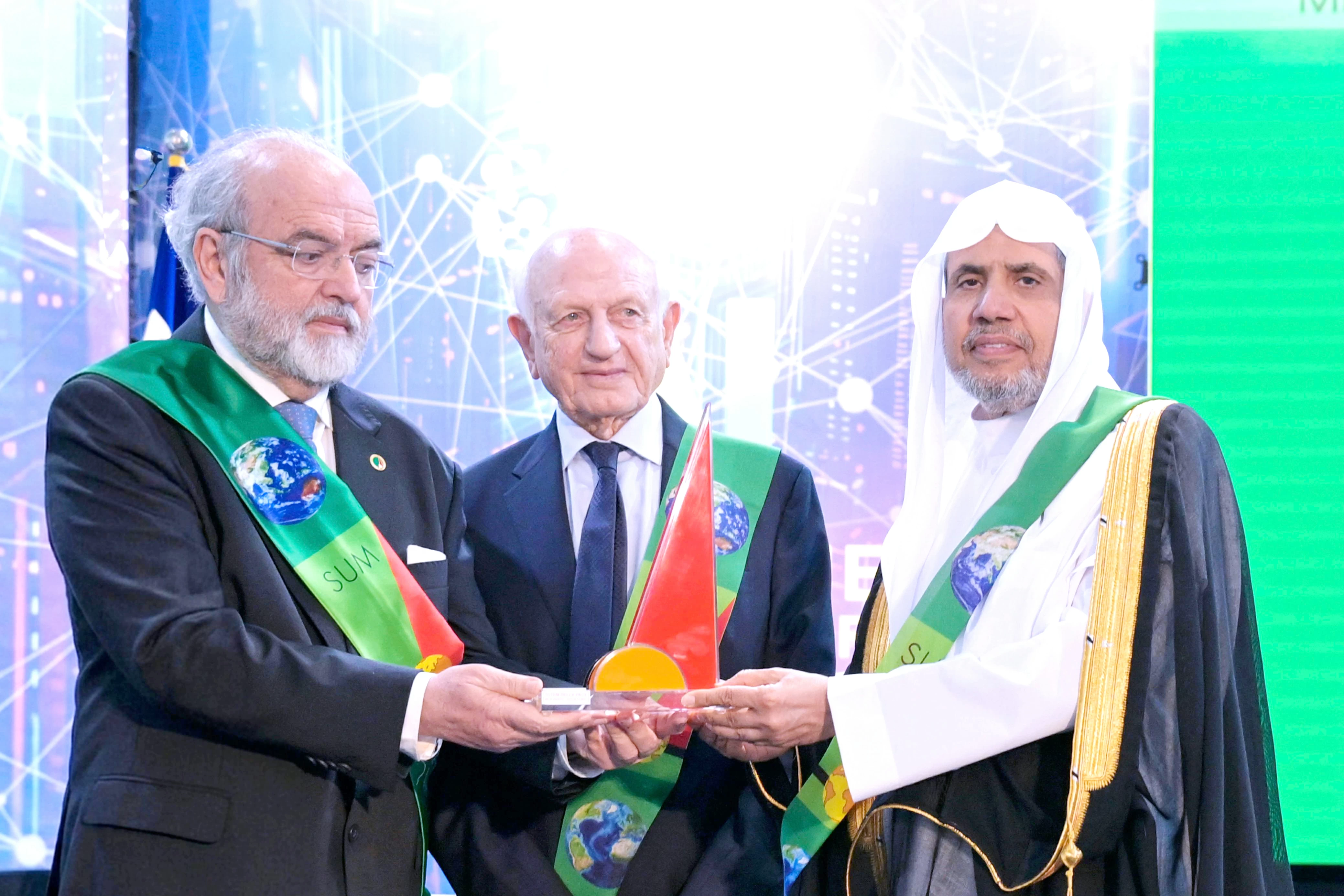
أصدر المؤتمر الدولي «مستقبل الحضارة الإنسانية في ظلّ الذكاء الاصطناعي»، الذي استضافته الجامعة الأورومتوسطية بمدينة «فاس» في المملكة المغربية، تحت رعاية الملك محمد السادس، في ختام أعماله «رسالة فاس في مجال الحضارة الإنسانية والذكاء الاصطناعي»، وذلك بمشاركة الأمين العام لرابطة العالم الإسلامي رئيس هيئة علماء المسلمين الشيخ الدكتور محمد العيسى، «متحدثاً رئيسيّاً» في افتتاح المؤتمر، وشخصيات عالمية، والمُمثّل السامي للأمم المتحدة لتحالف الحضارات، إلى جانب نُخبةٍ من الأكاديميين والمفكرين من 75 دولة، بحضور تجاوز 2000 شخص.
وأكّد المشاركون في البيان الختامي للمؤتمر، أنّ الذكاء الاصطناعي يُمثّل فرصةً كبرى لتعزيز التقدم الإنساني، شريطة أن يتمّ تطويره ضمن إطارٍ يحترم القيم الكونية والكرامة الإنسانية ومبادئ الإنصاف.
وشدّدوا على ضرورة أن ترتكز حكامة الذكاء الاصطناعي على مبادئ الشفافية والمسؤولية والمساءلة وقابلية التفسير، بما يضمن تعزيز الثقة في الأنظمة الذكية.
وأشاروا إلى أنَّ التحديات المرتبطة بالتحيزات الخوارزمية وجودة البيانات تستوجب وضع أُطُرٍ تنظيمية دولية ملائمة وقابلة للتطور، وأنّ تطبيقات الذكاء الاصطناعي في مجال الصحة وغيرها تفتح آفاقاً واعدة، مع ضرورة حماية المعطيات وضمان الموثوقية العلمية.
وأكّدوا أنّ تعزيز الثقة في أنظمة الذكاء الاصطناعي يقتضي تطوير آليات للتقييم والتدقيق والمراقبة، مع إدماج البعد الإنساني بشكل أفضل.
وشدّدوا على أنّ الذكاء الاصطناعي يُشكّل رافعة استراتيجية في العلاقات الدولية، ما يستدعي تعزيز التعاون متعدد الأطراف لتفادي الاختلالات والتجزئة التكنولوجية، وجعلها رهينة بعض الأطراف على حساب الآخرين.
وأكدوا أنّ المخاطر المرتبطة بالأمن السيبراني والتضليل الإعلامي وخطابات الكراهية تتطلب تطوير آليات فعالة للرصد والإنذار والاستجابة، داعين إلى تشجيع تطوير نماذج ذكاءٍ اصطناعيٍّ تُراعي الخصوصيات الثقافية واللغوية، بما يُعزّزُ السيادة الرقمية ويضمن ولوجاً عادلاً لهذه التكنولوجيا.
وأشاروا إلى أنّ الاستثمار في الشباب والرأسمال البشري والبنيات التحتية يُمثّل ركيزةً أساسية لبناء مستقبل رقميٍّ مسؤول وشامل. واختتموا بالتأكيد على ضرورة توجيه الذكاء الاصطناعي لخدمة السلام والتنمية المستدامة وتعزيز التقارب بين الثقافات والحضارات.
وشهد المؤتمر أربع جلسات عامة تناولت الأولى موضوع «أسئلة الشفافية، المسؤولية والثقة: أسس حكامة عالمية في زمن الذكاء الاصطناعي»، والثانية موضوع «تطبيقات وأخلاقيات الذكاء الاصطناعي في مجال الصحة»، فيما تطرّقت الثالثة إلى «الذكاء الاصطناعي كفرصة لإحياء القيم الإنسانية المشتركة»، وناقشت الجلسة الرابعة «سيناريوهات مستقبل الحضارة في عصر الذكاء الاصطناعي». وعُقدت خمس جلسات موازية ناقشت موضوعات: «العيش المشترك في عصر الذكاء الاصطناعي»، و«حوكمة الذكاء الاصطناعي وأثرها على بناء التنمية»، و«أخلاقيات الذكاء الاصطناعي: من المبادئ إلى الممارسات الحضارية»، و«الذكاء الاصطناعي والثورة التكنولوجية: الأمن السيبراني، الصحة والمدن الذكية في عصر ما بعد الحداثة»، و«الذكاء الاصطناعي والأنظمة الذاتية: روبوتات وبنى تحتية ذكية لمدن المستقبل».
إضافةً إلى محاضرات ولقاءات شكّلتْ بمجموعِها مناسبةً دولية للحوار والتفكير الاستراتيجي حول التحولات العميقة التي يفرضها الذكاء الاصطناعي.
The international conference “The Future of Human Civilization in the Age of Artificial Intelligence,” hosted by the Euro-Mediterranean University in the city of “Fes” in the Kingdom of Morocco, under the patronage of King Mohammed VI, concluded its proceedings with the “Fes Message on Human Civilization and Artificial Intelligence.” This event featured the participation of the Secretary-General of the Muslim World League and President of the Association of Muslim Scholars, Sheikh Dr. Mohammed Al-Issa, as the “keynote speaker” at the opening of the conference, along with global figures, the UN High Representative for the Alliance of Civilizations, and a select group of academics and thinkers from 75 countries, with an attendance exceeding 2,000 people.
The participants in the conference’s final statement affirmed that artificial intelligence represents a significant opportunity to enhance human progress, provided that it is developed within a framework that respects universal values, human dignity, and principles of fairness.
They emphasized the necessity for AI governance to be based on principles of transparency, responsibility, accountability, and interpretability, ensuring the enhancement of trust in intelligent systems.
They pointed out that the challenges related to algorithmic biases and data quality necessitate the establishment of appropriate and adaptable international regulatory frameworks, and that AI applications in health and other fields open promising horizons, with the need to protect data and ensure scientific reliability.
They confirmed that enhancing trust in AI systems requires the development of mechanisms for evaluation, auditing, and monitoring, with better integration of the human dimension.
They stressed that artificial intelligence constitutes a strategic lever in international relations, necessitating the enhancement of multilateral cooperation to avoid imbalances and technological fragmentation, making it hostage to certain parties at the expense of others.
They asserted that the risks associated with cybersecurity, misinformation, and hate speech require the development of effective mechanisms for monitoring, alerting, and responding, calling for the encouragement of AI models that consider cultural and linguistic particularities, thereby enhancing digital sovereignty and ensuring equitable access to this technology.
They noted that investment in youth, human capital, and infrastructure represents a fundamental pillar for building a responsible and inclusive digital future. They concluded by emphasizing the need to direct artificial intelligence to serve peace, sustainable development, and enhance the convergence between cultures and civilizations.
The conference featured four general sessions, the first addressing the topic “Questions of Transparency, Responsibility, and Trust: Foundations of Global Governance in the Age of Artificial Intelligence,” the second on “Applications and Ethics of Artificial Intelligence in Health,” while the third discussed “Artificial Intelligence as an Opportunity to Revive Shared Human Values,” and the fourth session examined “Scenarios for the Future of Civilization in the Age of Artificial Intelligence.” Additionally, five parallel sessions discussed topics such as “Coexistence in the Age of Artificial Intelligence,” “AI Governance and Its Impact on Development Building,” “Ethics of Artificial Intelligence: From Principles to Civilizational Practices,” “Artificial Intelligence and the Technological Revolution: Cybersecurity, Health, and Smart Cities in the Postmodern Era,” and “Artificial Intelligence and Autonomous Systems: Robots and Smart Infrastructure for Future Cities.”
Along with lectures and meetings, these collectively formed an international occasion for dialogue and strategic thinking about the profound transformations imposed by artificial intelligence.
للمزيد من المقالات
اضغط هنا