
هل يرفض طفلك الطعام؟.. خبراء يكشفون «السر» الذي يجهله معظم الأهالي – أخبار السعودية
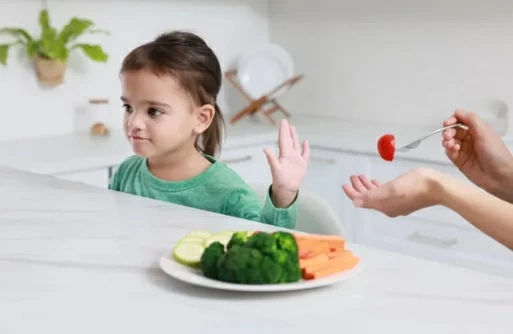
في كل بيت، تتكرر «المعركة» نفسها: طبق طعام كامل يعود للمطبخ، وطفل يرفض الأكل، وأبوان يقفان بين القلق، والغضب، والحيرة. رغم أن هذا السلوك يبدو بسيطاً، إلا أن خبراء طب الأطفال يؤكدون أنه أحد أكثر الملفات تعقيداً داخل الأسرة، وقد يتحول من «مرحلة عابرة» إلى مصدر ضغط نفسي لا ينتهي.
لماذا يرفض الطفل الطعام فجأة؟
توضح طبيبة الأطفال سيندي جيلنر حقيقة قد تريح أعصابك: النمو يتباطأ!
بين عمر سنة و5 سنوات، لا ينمو جسم الطفل بنفس سرعة السنة الأولى من عمره، وبالتالي فإن حاجته للطاقة تقل تلقائياً. إذاً، رفضه للطعام قد لا يكون «تمرداً» كما تظن، بل استجابة فطرية لجسمه الذي لم يعد يحتاج لنفس كميات الحليب أو الطعام السابقة.
وأكبر 3 أخطاء تقتل شهية طفلك:
- تحويل المائدة إلى «ساحة معركة»: التهديد، المقارنة بالإخوة، أو الرشوة بـ «الحلوى» مقابل الخضار، كلها أساليب تُنشئ علاقة سامة بين الطفل وطعامه. أنت هنا تعلمه أن يأكل «خوفاً» أو «طمعاً»، لا لأن جسمه يحتاج للغذاء.
- الضغط الزائد: محاولة إجباره على إنهاء الطبق بالكامل تفقد الطفل قدرته على فهم «إشارات الشبع» الطبيعية في جسده، مما قد يمهد لاحقاً لمشكلات السمنة.
- الوجبات الخفيفة: هل يملأ طفلك معدته بـ «السناكس» طوال اليوم؟ إذاً، لا تنتظر منه أن يجلس ليتناول وجبة كاملة.
قاعدة الـ 15 محاولة.. سرّ تغيير ذوق طفلك
هل جربت تقديم البروكلي أو السمك مرة واحدة فرفضه طفلك وقررت «أنه لا يحبه»؟ خطأ! الدراسات العلمية تؤكد أن الطفل قد يحتاج إلى تجربة نفس الصنف من 10 إلى 15 مرة قبل أن يتقبله ذوقه. الرفض اليوم ليس حكماً نهائياً، بل هو مجرد «لقاء تعارفي» لم ينتهِ بعد.
ورغم أن معظم الحالات طبيعية، إلا أن هناك «خطوطاً حمراء» تستدعي استشارة الطبيب:
- إذا كان هناك فقدان ملحوظ في الوزن.
- إذا توقف الطفل عن تناول مجموعات غذائية كاملة (مثلاً رفض كل البروتينات).
- إذا صاحب وقت الطعام نوبات بكاء هستيرية أو خوف حقيقي (قد يشير لمشكلة حسية).
خطة العمل: كيف تجعل طفلك يأكل بهدوء؟
- إشركه في «المطبخ»: حتى لو كان بمهمات بسيطة مثل غسل الخضار، الطفل يأكل ما يساعد في تحضيره.
- اجعل الأجواء إيجابية: وقت الطعام هو وقت للعائلة، وليس وقت التوبيخ.
- إستراتيجية التقديم: قدم الطعام بأشكال جذابة أو بألوان متنوعة؛ فالعين تأكل قبل الفم.
ويمكن القول إن ما تراه «عناداً» هو في الحقيقة مرحلة نمو طبيعية. والطريقة التي تتعامل بها مع هذه المرحلة اليوم هي التي ستشكل «علاقة طفلك مع الطعام» طوال حياته. وتذكر دائماً: أنت المسؤول عن ماذا يأكل، لكن طفلك هو المسؤول عن كم يأكل.
In every home, the same “battle” repeats itself: a full plate of food returns to the kitchen, a child refuses to eat, and parents stand between anxiety, anger, and confusion. Although this behavior seems simple, pediatric experts confirm that it is one of the most complicated issues within the family, and it can turn from a “transitory phase” into a source of endless psychological stress.
Why does a child suddenly refuse food?
Pediatrician Cindy Gillner clarifies a fact that might ease your nerves: growth slows down!
Between the ages of one and five, a child’s body does not grow at the same speed as in the first year of life, and thus their energy needs automatically decrease. So, their refusal of food may not be “rebellion” as you think, but rather an instinctive response from their body that no longer needs the same amounts of milk or food as before.
And here are the three biggest mistakes that kill your child’s appetite:
- Turning the table into a “battlefield”: threats, comparisons with siblings, or bribing with “sweets” in exchange for vegetables, all create a toxic relationship between the child and their food. Here, you are teaching them to eat “out of fear” or “greed,” not because their body needs nourishment.
- Excessive pressure: Trying to force them to finish the entire plate deprives the child of the ability to understand their body’s natural “fullness signals,” which may later pave the way for obesity issues.
- Snacking: Is your child filling their stomach with “snacks” all day? Then, don’t expect them to sit down for a full meal.
The 15-Try Rule: The Secret to Changing Your Child’s Taste
Have you tried offering broccoli or fish once, and when your child refused, you decided “they don’t like it”? Wrong! Scientific studies confirm that a child may need to try the same food 10 to 15 times before their taste accepts it. Today’s refusal is not a final judgment, but rather a “getting-to-know-you” meeting that is not over yet.
And while most cases are normal, there are “red flags” that warrant consulting a doctor:
- If there is noticeable weight loss.
- If the child has stopped eating entire food groups (for example, refusing all proteins).
- If mealtime is accompanied by hysterical crying or real fear (which may indicate a sensory issue).
Action Plan: How to Make Your Child Eat Calmly?
- Involve them in the “kitchen”: even with simple tasks like washing vegetables, children tend to eat what they help prepare.
- Make the atmosphere positive: mealtime is family time, not a time for reprimands.
- Presentation strategy: Serve food in attractive shapes or with varied colors; the eye eats before the mouth.
It can be said that what you see as “stubbornness” is actually a normal growth phase. The way you handle this phase today will shape “your child’s relationship with food” throughout their life. And always remember: you are responsible for what they eat, but your child is responsible for how much they eat.
للمزيد من المقالات
اضغط هنا