
واشنطن وطهران على حافة الحسم.. اتفاق مُعقّد أم مواجهة مفتوحة؟ – أخبار السعودية
يسود الارتباك والغموض المشهد الدبلوماسي بين واشنطن وطهران ما يجعل مصير الجولة الثانية من محادثات السلام موضع شك، رغم قرب انتهاء وقف إطلاق النار.
ويبدو أن الوضع الراهن يقف على حافة خيارين: فإما صفقة صعبة تحت الضغط، أو الانزلاق نحو مواجهة عسكرية جديدة.
الغموض يحيط بكل شيء
واعتبرت صحيفة «فايننشال تايمز» البريطانية، أن ما يجري ليس فقط «ضباب حرب» كما هو مألوف، بل «ضباب سلام»، إذ يوجد شكلياً وقف لإطلاق النار، لكن الغموض يحيط بكل شيء آخر، فلا توجد رواية واضحة أو متفق عليها بين الولايات المتحدة وإيران توضح هل هناك مفاوضات أم لا؟ وهل ستستمر الهدنة أم لا؟
ورأت أن كل طرف يدرك أن لديه مصلحة حقيقية في التوصل إلى اتفاق، فإيران تدرك هشاشتها أمام الضربات العسكرية والضغوط الاقتصادية، فيما ترى أمريكا أن استمرار الأزمة، خصوصاً إغلاق هرمز، يهدد الاقتصاد العالمي بشكل مباشر عبر ارتفاع أسعار الطاقة وتعطل سلاسل الإمداد.
وأكدت أن الفجوة بين البلدين لا تزال عميقة جداً، وتشمل ملفات معقدة ومتشابكة مثل البرنامج النووي، العقوبات والنفوذ الإقليمي وأمن إسرائيل والملاحة الدولية، ورجحت كفة التصعيد، لاسيما أن كل طرف يعتقد أنه قادر على إجبار الآخر على التراجع أولاً.
تقدُّم في بعض القضايا السهلة
وتوقعت الصحيفة تحقيق تقدُّم في بعض القضايا الأسهل، مثل تجميد مؤقت للتخصيب النووي، لكن قضايا أخرى، خصوصاً السيطرة على مضيق هرمز، ستبقى عقدة رئيسية يصعب حلها.
ولفتت إلى أن العوامل الداخلية والإقليمية قد تضيف طبقة من التعقيد، ففي داخل إيران مثلاً يبدو أن التيار المتشدد يزداد قوة، مما قد يقلل فرص التسوية، وفي الولايات المتحدة، هناك تساؤل حول مدى إدراك القيادة لحدود القوة العسكرية، كما أن إسرائيل قد تلعب دوراً غير متوقع إذا رأت أن مسار المفاوضات لا يخدم مصالحها.
وحذّر التقرير من أن الأسوأ لم يحدث بعد، وأن المنطقة والعالم قد يكونان على أعتاب مرحلة أكثر خطورة، إذ يظل خيار التصعيد العسكري أقرب من التوصل إلى تسوية شاملة.
صورة متوترة ومليئة بالتناقضات
ورسمت صحيفة «تايمز» صورة متوترة ومليئة بالتناقضات حول مسار العلاقة بين الولايات المتحدة وإيران في لحظة حرجة تسبق انتهاء وقف إطلاق النار، وقالت: في الوقت الذي يفترض فيه أن الطرفين يستعدان لجولة جديدة من المفاوضات، فإن ترمب يتعمد خلق حالة من عدم اليقين لإرباك خصومه وكسب أفضلية تفاوضية، أو أنه يحاول تحسين صورته داخلياً بعد اتهامه بالضعف والتراجع، لافتة إلى أن إعلانه النصر مسبقاً قد يكون وسيلة للضغط على إيران، لكنه في الوقت نفسه ينطوي على مخاطرة كبيرة.
وأكدت أن إيران ليست في وضع مريح، فالعقوبات والضغوط الاقتصادية والتضخم والاحتجاجات الداخلية تجعل بعض أجنحة النظام تميل إلى التوصل لاتفاق، إلا أن هناك خطوطاً حمراء لا تزال واضحة، خصوصاً فيما يتعلق بالبرنامج النووي والسيادة.
جمود هش وقنوات مفتوحة
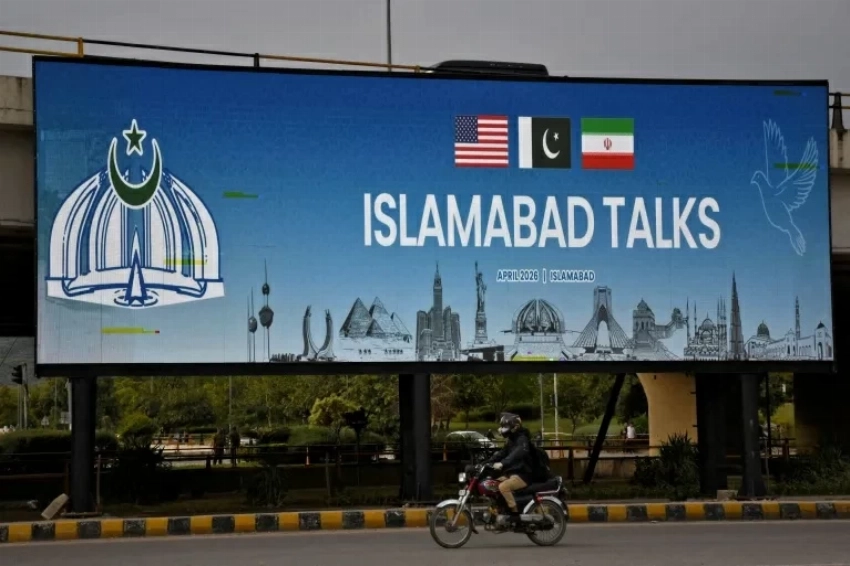
ورأت صحيفة «إندبندنت» أن قنوات السلام بين البلدين لا تزال مفتوحة، وأن الدبلوماسية لم تنته بعد، ولكنها معلقة بخيط رفيع، واستشهدت بأنه كان من المتوقع بعد انهيار مفاوضات إسلام أباد، أن تتصاعد المواجهة العسكرية، ولكن ذلك لم يحدث. ورأت أن الأزمة لم تنفجر بعد إلى مواجهة شاملة، لكنها أيضاً لم تقترب من الحل، بل تعيش حالة «جمود هش» تشبه ما سمته «ضباب السلام».
وأكدت أن أزمة هرمز هي العقدة الأكثر حساسية، ورغم إدراك كلا الجانبين مخاطر التصعيد، فإن انعدام الثقة العميق بينهما، واتساع قائمة الملفات الخلافية، يجعلان الوصول إلى اتفاق سريع أمراً شبه مستحيل، خصوصاً أن مثل هذه القضايا تحتاج عادة إلى سنوات من التفاوض.
ورأت الصحيفة أن الأزمة لا تسير نحو انفراج قريب، بل نحو مرحلة طويلة من الشد والجذب، تتناوب فيها فترات التفاوض مع فترات التصعيد؛ لأن جذور الأزمة لم تحل بعد، ولأن احتمال الانزلاق مجدداً نحو التصعيد لا يزال قائماً بقوة.
Confusion and ambiguity dominate the diplomatic scene between Washington and Tehran, casting doubt on the fate of the second round of peace talks, despite the impending end of the ceasefire.
The current situation appears to be at the brink of two options: either a difficult deal under pressure, or a slide into a new military confrontation.
Ambiguity surrounds everything
The British newspaper “Financial Times” considered that what is happening is not just “fog of war” as is customary, but rather “fog of peace,” as there is formally a ceasefire, but ambiguity surrounds everything else. There is no clear or agreed narrative between the United States and Iran clarifying whether negotiations are taking place or not, and whether the truce will continue or not?
It noted that each side realizes it has a genuine interest in reaching an agreement; Iran is aware of its vulnerability to military strikes and economic pressures, while the U.S. sees that the continuation of the crisis, especially the closure of the Strait of Hormuz, directly threatens the global economy through rising energy prices and disrupted supply chains.
It emphasized that the gap between the two countries remains very deep, encompassing complex and intertwined issues such as the nuclear program, sanctions, regional influence, Israel’s security, and international navigation, and the balance leans towards escalation, especially since each side believes it can force the other to back down first.
Progress on some easier issues
The newspaper anticipated progress on some easier issues, such as a temporary freeze on nuclear enrichment, but other issues, particularly control over the Strait of Hormuz, will remain a major knot that is difficult to resolve.
It pointed out that internal and regional factors may add a layer of complexity; for example, within Iran, the hardline faction seems to be gaining strength, which may reduce the chances of a settlement. In the United States, there are questions about how aware the leadership is of the limits of military power, and Israel may play an unexpected role if it sees that the course of negotiations does not serve its interests.
The report warned that the worst has not yet happened, and that the region and the world may be on the brink of a more dangerous phase, as the option of military escalation remains closer than reaching a comprehensive settlement.
A tense and contradictory picture
The “Times” painted a tense and contradictory picture of the relationship between the United States and Iran at a critical moment before the end of the ceasefire, stating: While both sides are supposed to be preparing for a new round of negotiations, Trump is deliberately creating a state of uncertainty to confuse his opponents and gain a negotiating advantage, or he is trying to improve his image domestically after being accused of weakness and retreat. It noted that his premature declaration of victory could be a means of pressuring Iran, but at the same time carries significant risks.
It confirmed that Iran is not in a comfortable position, as sanctions, economic pressures, inflation, and internal protests make some wings of the regime inclined to reach an agreement, yet there are still clear red lines, especially regarding the nuclear program and sovereignty.
Fragile stalemate and open channels
The “Independent” viewed that the channels of peace between the two countries remain open, and that diplomacy is not over yet, but it is hanging by a thin thread. It cited that after the collapse of the Islamabad negotiations, military confrontation was expected to escalate, but that did not happen. It observed that the crisis has not yet exploded into a full confrontation, but it also has not approached a solution; rather, it is living in a state of “fragile stalemate” akin to what it termed “fog of peace.”
It confirmed that the Hormuz crisis is the most sensitive knot, and despite both sides recognizing the risks of escalation, the deep-seated mistrust between them and the widening list of contentious issues make reaching a quick agreement nearly impossible, especially since such issues typically require years of negotiation.
The newspaper believed that the crisis is not heading towards a near breakthrough, but rather towards a long phase of tug-of-war, alternating between negotiation periods and escalation periods; because the roots of the crisis have not yet been resolved, and the possibility of slipping back into escalation remains very strong.
للمزيد من المقالات
اضغط هنا