
لماذا تنام النساء بشكل أسوأ من الرجال؟ – أخبار السعودية
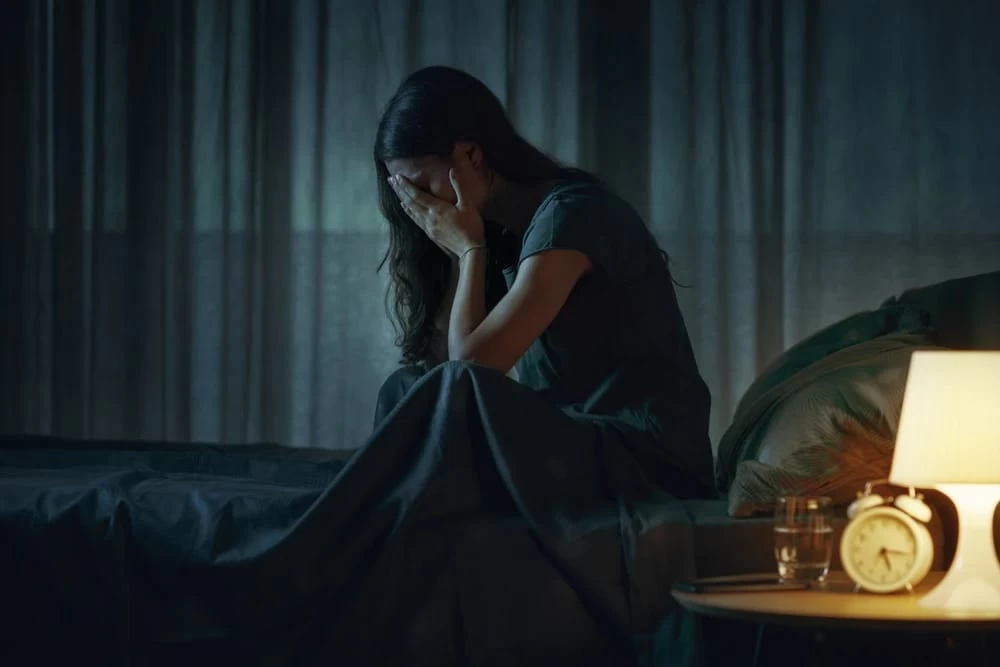
هل لاحظتِ يوماً أنكِ ما زلتِ تتحدثين عن تفاصيل يومكِ، بينما يستسلم زوجكِ للنوم سريعاً؟ قد يبدو الأمر وكأنه قلة اهتمام، لكنه في الحقيقة ليس كذلك، كما أنه ليس خطأكِ إن كنتِ تجدين صعوبة في النوم.
فالعلم يشير إلى أن النساء مهيآت بيولوجياً للحصول على نوم أقل جودة مقارنة بالرجال، لعدة أسباب متشابكة.
في هذا السياق، أوضح المتخصص في طب النوم وطب أعصاب الأطفال الطبيب الهندي كريستوفر جيه ألين، الأسباب الحقيقية التي تجعل دورة نوم النساء أكثر اضطراباً، في منشور نشره بتاريخ 18 أبريل.
وبحسب موقع Hindustan Times الهندي، أشار إلى أن النساء يواجهن تحديات فريدة، تراوح بين التغيرات الهرمونية والضغوط النفسية، ما يجعل الحصول على نوم عميق ومريح أمراً أكثر صعوبة.
1 – التغيرات الهرمونية
يُعد النظام الهرموني لدى النساء أكثر تعقيداً من الرجال، إذ يشهد تقلبات مستمرة تؤثر بشكل مباشر على جودة النوم، وأوضح الطبيب أن هذه التغيرات تُعد السبب الأكبر وراء اضطرابات النوم لدى النساء، إذ ترتفع وتنخفض هرمونات مثل الإستروجين والبروجستيرون مع كل دورة شهرية، وهما عنصران أساسيان في تنظيم النوم.
وأضاف: قبل الدورة الشهرية، يؤدي انخفاض هرمون البروجستيرون إلى نوم أخف واستيقاظ متكرر، بينما خلال مرحلة ما قبل انقطاع الطمث، يتسبب انخفاض الإستروجين في تقطع النوم بشكل ملحوظ.
2 – القلق والاكتئاب
لا تقتصر الأسباب على الجانب الجسدي، بل تمتد إلى الصحة النفسية أيضاً، فبحسب الطبيب، النساء أكثر عرضة للإصابة بالقلق والاكتئاب بمعدل يصل إلى الضعف مقارنة بالرجال، وهو ما ينعكس مباشرة على جودة النوم.
وأكد أن العلاقة بين النوم والحالة المزاجية متبادلة؛ فالنوم السيئ يزيد من القلق، والقلق بدوره يفاقم اضطرابات النوم.
كما أشار إلى اختلاف استجابة الجنسين للضغوط، إذ يمكن للرجل أن ينام خلال دقائق رغم التوتر، بينما يظل دماغ المرأة في حالة يقظة واستعداد.
3 – عبء الرعاية والمسؤوليات
تلعب الأدوار الاجتماعية دوراً مهماً أيضاً، إذ غالباً ما تتحمل النساء مسؤولية الرعاية داخل الأسرة، هذا العبء الذهني لا يتوقف حتى أثناء النوم.
وأوضح الطبيب أن النساء يظللن في حالة يقظة جزئية، مترقبات لأي طارئ، سواء كان بكاء طفل أو مرض أحد أفراد الأسرة أو متابعة تفاصيل الحياة اليومية، والنتيجة نوم خفيف وسهل الاضطراب بسبب استمرار نشاط الدماغ.
Have you ever noticed that you still talk about the details of your day while your husband quickly falls asleep? It may seem like a lack of interest, but in reality, it is not, and it is not your fault if you find it difficult to sleep.
Science indicates that women are biologically predisposed to have lower quality sleep compared to men, for several intertwined reasons.
In this context, sleep medicine and pediatric neurology specialist Dr. Christopher J. Allen explained the real reasons that make women’s sleep cycles more disrupted in a post published on April 18.
According to the Indian website Hindustan Times, he pointed out that women face unique challenges, ranging from hormonal changes to psychological stress, making it more difficult to achieve deep and restful sleep.
1 – Hormonal Changes
The hormonal system in women is more complex than in men, as it experiences continuous fluctuations that directly affect sleep quality. The doctor explained that these changes are the biggest reason behind sleep disorders in women, as hormones like estrogen and progesterone rise and fall with each menstrual cycle, both of which are essential in regulating sleep.
He added: Before the menstrual cycle, a drop in progesterone leads to lighter sleep and frequent awakenings, while during the perimenopausal phase, a decrease in estrogen significantly disrupts sleep.
2 – Anxiety and Depression
The reasons are not limited to the physical aspect but extend to mental health as well. According to the doctor, women are twice as likely to suffer from anxiety and depression compared to men, which directly impacts sleep quality.
He confirmed that the relationship between sleep and mood is reciprocal; poor sleep increases anxiety, and anxiety, in turn, exacerbates sleep disorders.
He also noted the difference in how the sexes respond to stress, as a man can fall asleep within minutes despite stress, while a woman’s brain remains alert and prepared.
3 – Caregiving Burden and Responsibilities
Social roles also play an important role, as women often bear the responsibility of caregiving within the family. This mental burden does not stop even during sleep.
The doctor explained that women remain in a state of partial alertness, anticipating any emergencies, whether it is a crying baby, an illness of a family member, or keeping up with daily life details, resulting in light sleep that is easily disturbed due to the continued activity of the brain.
للمزيد من المقالات
اضغط هنا