
تعبئة صناعية.. ترمب يوجّه شركات السيارات نحو تصنيع السلاح – أخبار السعودية
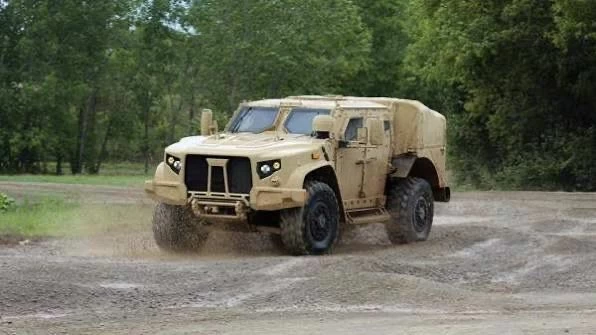
في تحرك يعكس تحوّلاً لافتاً في السياسة الصناعية الأمريكية، فتحت إدارة الرئيس دونالد ترمب قنوات تواصل مباشرة مع كبرى شركات صناعة السيارات والمصنّعين، لدفعهم نحو لعب دور أكبر في إنتاج الأسلحة والإمدادات العسكرية، في خطوة تستعيد ملامح التعبئة الصناعية التي شهدتها الولايات المتحدة خلال الحرب العالمية الثانية.
محادثات رفيعة مع عمالقة الصناعة
وكشفت مصادر مطلعة، نقلت عنها صحيفة وول ستريت جورنال، أن كبار مسؤولي وزارة الدفاع الأمريكية (البنتاغون) عقدوا سلسلة من الاجتماعات مع قيادات تنفيذية في شركات صناعية كبرى، لبحث إمكانية تحويل جزء من طاقتها الإنتاجية لصالح التصنيع العسكري.
وشملت هذه المحادثات شركات بارزة مثل «جنرال موتورز» و«فورد موتور»، حيث جرى النقاش حول آليات إنتاج الأسلحة والمعدات العسكرية، إضافة إلى سلاسل الإمداد المرتبطة بها.
تحويل خطوط الإنتاج.. من السيارات إلى السلاح
وبحسب المعلومات، تركزت المناقشات على كيفية إعادة توجيه القدرات التصنيعية لشركات السيارات، لتشمل إنتاج مكونات عسكرية أو معدات داعمة، في ظل الحاجة المتزايدة لتعزيز القدرات الدفاعية الأمريكية.
وشارك في هذه المحادثات عدد من أبرز التنفيذيين، بينهم ماري بارا الرئيسة التنفيذية ل«جنرال موتورز»، وجيم فارلي الرئيس التنفيذي ل«فورد»، في مؤشر على جدية التوجه الحكومي نحو إشراك القطاع الصناعي المدني في منظومة التصنيع العسكري.
استدعاء نموذج «الحرب العالمية الثانية»
ويحمل هذا التوجه دلالات تاريخية، إذ يعيد إلى الأذهان تجربة الولايات المتحدة خلال الحرب العالمية الثانية، عندما تم تحويل مصانع السيارات إلى إنتاج الدبابات والطائرات والذخائر، ضمن تعبئة صناعية شاملة دعمت المجهود الحربي.
ويرى مراقبون أن الإدارة الأمريكية تسعى اليوم إلى تكرار هذا النموذج بشكل جزئي، لمواكبة التحديات الجيوسياسية المتسارعة، وتعزيز الجاهزية العسكرية عبر توسيع قاعدة الإنتاج.
تصعيد صناعي بمواجهة التحديات
يأتي هذا التحرك في وقت تتزايد فيه الضغوط على سلاسل الإمداد العسكرية، ما يدفع واشنطن للبحث عن حلول سريعة وفعّالة لرفع وتيرة الإنتاج، عبر الاستفادة من القدرات الهائلة للقطاع الصناعي المدني.
وبينما لم تُعلن تفاصيل رسمية عن اتفاقات نهائية، تشير المعطيات إلى أن المحادثات لا تزال في مراحلها الأولية، وسط ترقب لخطوات عملية قد تعيد رسم العلاقة بين الصناعة المدنية والعسكرية في الولايات المتحدة.
In a move that reflects a notable shift in U.S. industrial policy, President Donald Trump’s administration has opened direct channels of communication with major automotive companies and manufacturers, urging them to take a larger role in the production of weapons and military supplies, in a step that recalls the industrial mobilization seen in the United States during World War II.
High-Level Talks with Industry Giants
Informed sources, reported by the Wall Street Journal, revealed that senior officials from the U.S. Department of Defense (the Pentagon) held a series of meetings with executive leaders from major industrial companies to discuss the possibility of converting part of their production capacity for military manufacturing.
These discussions included prominent companies such as “General Motors” and “Ford Motor,” where the conversation revolved around the mechanisms for producing weapons and military equipment, as well as the supply chains associated with them.
Shifting Production Lines… from Cars to Weapons
According to the information, the discussions focused on how to redirect the manufacturing capabilities of automotive companies to include the production of military components or supporting equipment, amid the increasing need to enhance U.S. defensive capabilities.
Several prominent executives participated in these talks, including Mary Barra, the CEO of “General Motors,” and Jim Farley, the CEO of “Ford,” indicating the seriousness of the government’s approach to involving the civilian industrial sector in the military manufacturing system.
Reviving the “World War II” Model
This approach carries historical significance, as it brings to mind the experience of the United States during World War II, when automobile factories were converted to produce tanks, aircraft, and ammunition, as part of a comprehensive industrial mobilization that supported the war effort.
Observers believe that the U.S. administration is today seeking to partially replicate this model to keep pace with rapidly evolving geopolitical challenges and to enhance military readiness by expanding the production base.
Industrial Escalation in Response to Challenges
This move comes at a time when pressures on military supply chains are increasing, prompting Washington to seek quick and effective solutions to ramp up production by leveraging the vast capabilities of the civilian industrial sector.
While no official details about final agreements have been announced, the data suggests that the talks are still in their early stages, with anticipation for practical steps that may reshape the relationship between the civilian and military industries in the United States.
للمزيد من المقالات
اضغط هنا