
وثيقة سرية تكشف: تحذيرات أمنية سبقت «سرقة اللوفر» – أخبار السعودية
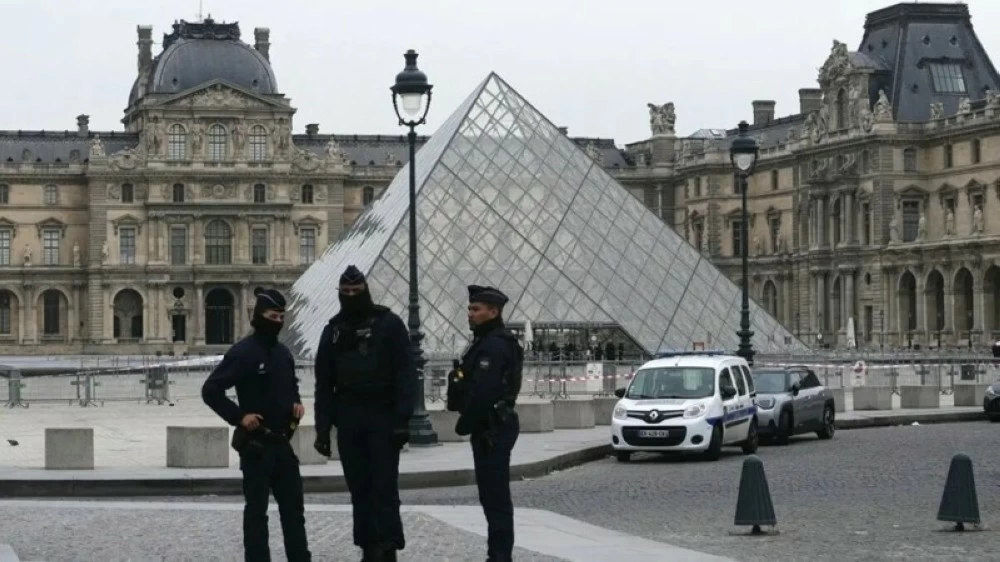
كشفت وثيقة أمنية فرنسية سرية مفاجأة جديدة تتعلق بعملية السرقة التاريخية لمتحف اللوفر، إذ تبين أن شرطة باريس كانت قد حذّرت إدارة المتحف مسبقاً من ثغرات خطيرة في منظومة الأمن والسلامة.
وذكرت صحيفة «لوموند» الفرنسية أن إدارة اللوفر تسلّمت في 29 أغسطس 2025 تقريراً مصنفاً على أنه «سري»، خلصت فيه محافظة شرطة باريس إلى أن الوسائل الأمنية المعتمدة في المتحف قديمة وغير ملائمة لطبيعة وحجم الموقع.
وأُعدّ التقرير من قبل قسم الوقاية العملياتية في شرطة باريس، بناءً على طلب إدارة المتحف نفسها، غير أن توصياته لم تُترجم إلى إجراءات عملية قبل وقوع عملية السطو، التي وُصفت لاحقاً بأنها من أخطر الحوادث في تاريخ المتحف الحديث.
وأشار التقرير إلى أن المتحف دفع ثمن هذا التقصير «حتى النهاية»، في إشارة إلى تجاهل تحذيرات رسمية سبقت السرقة، وأعادت الواقعة تسليط الضوء عليها بعد فوات الأوان.
وكشفت الوثيقة دهشة الخبراء من تقادم الأثاث والمعدات المعلوماتية الموضوعة تحت تصرف عناصر الأمن في غرفة المراقبة المركزية والغرف الفرعية، إضافة إلى عدم كفاية عدد الشاشات مقارنة بحجم شبكة الكاميرات.
كما أشار التقرير إلى أن أنظمة المراقبة تعمل عبر برمجيات غير متوافقة، سواء الرقمية أو التماثلية، ما يحدّ من فاعلية الرصد والمتابعة.
ورغم أن غرفة المراقبة المركزية بدت أفضل تجهيزاً نسبياً، فإنها -بحسب التقرير- غير قادرة على إدارة أزمة كبرى تتطلب تحكماً مركزياً كاملاً بالمنظومة الأمنية، الأمر الذي يضعف سرعة الاستجابة في حال وقوع حادثة خطيرة.
A secret French security document has revealed a new surprise related to the historic theft at the Louvre Museum, as it turns out that the Paris police had previously warned the museum administration about serious vulnerabilities in the security and safety system.
The French newspaper “Le Monde” reported that the Louvre administration received a classified report marked as “secret” on August 29, 2025, in which the Paris police concluded that the security measures in place at the museum were outdated and unsuitable for the nature and size of the site.
The report was prepared by the Operational Prevention Department of the Paris police, at the request of the museum administration itself; however, its recommendations were not translated into practical measures before the theft occurred, which was later described as one of the most serious incidents in the modern history of the museum.
The report indicated that the museum paid the price for this negligence “to the end,” referring to the disregard for official warnings that preceded the theft, and the incident brought renewed attention to these warnings after it was too late.
The document revealed experts’ astonishment at the outdated furniture and information equipment available to security personnel in the central monitoring room and the subsidiary rooms, in addition to the insufficient number of screens compared to the size of the camera network.
The report also noted that the monitoring systems operate on incompatible software, whether digital or analog, which limits the effectiveness of surveillance and monitoring.
Although the central monitoring room appeared relatively better equipped, it was – according to the report – unable to manage a major crisis that requires complete centralized control of the security system, which weakens the speed of response in the event of a serious incident.
للمزيد من المقالات
اضغط هنا
التعليقات