
أزمة الوقود تضرب الطيران الأوروبي.. «لوفتهانزا» تلغي 20 ألف رحلة حتى أكتوبر – أخبار السعودية
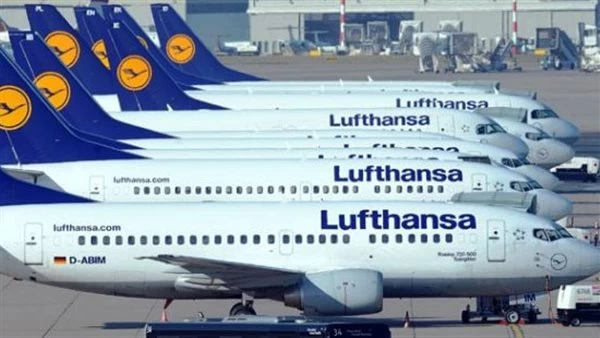
أعلنت مجموعة لوفتهانزا الألمانية، أكبر مجموعة طيران في أوروبا، عن تقليص كبير في جدول رحلاتها الصيفي، إذ ستُلغي نحو 20 ألف رحلة جوية قصيرة المدى حتى نهاية أكتوبر القادم، بسبب الارتفاع الحاد في أسعار وقود الطائرات (الكيروسين) الناتج عن الصراع في إيران.
وقالت الشركة في بيان رسمي إنها ستلغي 120 رحلة يومياً غير مربحة، مع التركيز على الرحلات القصيرة المدى داخل أوروبا، من مراكزها الرئيسية في فرانكفورت وميونخ وزيورخ وفيينا وبروكسل وروما، متوقعة أن يؤدي هذا التقليص إلى توفير أكثر من 40 ألف طن متري من وقود الكيروسين.
وأوضحت «لوفتهانزا» أن أسعار الوقود تضاعفت منذ بداية الصراع مع إيران الذي اندلع أواخر فبراير 2026، ما جعل العديد من الرحلات القصيرة غير اقتصادية. وأكدت الشركة أنها مؤمّنة بالوقود اللازم للأسابيع القادمة، وتعمل حالياً على تأمين إمدادات إضافية وتنفيذ إستراتيجيات للتحوط من تقلبات الأسعار.
يُشار إلى أن هذه الإلغاءات تمثل انخفاضاً بنسبة أقل من 1% في الطاقة الاستيعابية الكلية للمجموعة، وتشمل رحلات كانت تُشغل سابقاً بواسطة الشركة الإقليمية التابعة «سيتي لاين».
تأتي هذه الخطوة ضمن أزمة وقود طائرات متفاقمة تضرب قطاع الطيران العالمي، خصوصاً في أوروبا، بسبب التوترات الجيوسياسية في الشرق الأوسط، إذ يمر نحو 20-25% من إمدادات النفط العالمية عبر مضيق هرمز، وأدى الصراع في إيران إلى اضطرابات في سلاسل التوريد، ما رفع أسعار النفط الخام والكيروسين بشكل حاد (تجاوزت الزيادة 70-100% في بعض الأسواق الأوروبية).
«لوفتهانزا» ليست الوحيدة المتضررة، إذ حذرت وكالات الطاقة الدولية من احتمال نقص وقود الطائرات في أوروبا خلال أسابيع قليلة، ما دفع شركات طيران أخرى إلى إعادة النظر في جداولها. كما أعلنت الشركة سابقاً إيقاف تشغيل 27 طائرة قديمة مستهلكة للوقود، وإغلاق جزئي لوحدة «سيتي لاين».
ويُتوقع أن يؤثر هذا القرار على ملايين المسافرين خلال موسم الصيف، خصوصاً مع اقتراب العطلات الصيفية، وقد يؤدي إلى ارتفاع أسعار التذاكر المتبقية أو إعادة جدولة الرحلات، وتُعد هذه الأزمة أحدث حلقة في سلسلة التداعيات الاقتصادية للصراعات الجيوسياسية على قطاع النقل الجوي.
The German Lufthansa Group, the largest airline group in Europe, has announced a significant reduction in its summer flight schedule, as it will cancel around 20,000 short-haul flights until the end of October due to the sharp rise in jet fuel (kerosene) prices resulting from the conflict in Iran.
The company stated in an official announcement that it will cancel 120 unprofitable flights daily, focusing on short-haul flights within Europe from its main hubs in Frankfurt, Munich, Zurich, Vienna, Brussels, and Rome, expecting this reduction to save more than 40,000 metric tons of kerosene fuel.
Lufthansa explained that fuel prices have doubled since the onset of the conflict with Iran, which erupted in late February 2026, making many short-haul flights uneconomical. The company confirmed that it is secured with the necessary fuel for the coming weeks and is currently working on securing additional supplies and implementing strategies to hedge against price fluctuations.
It is noted that these cancellations represent a decrease of less than 1% in the total capacity of the group and include flights that were previously operated by its regional subsidiary, CityLine.
This step comes amid a worsening aircraft fuel crisis affecting the global aviation sector, particularly in Europe, due to geopolitical tensions in the Middle East, as about 20-25% of global oil supplies pass through the Strait of Hormuz, and the conflict in Iran has led to disruptions in supply chains, sharply raising crude oil and kerosene prices (with increases exceeding 70-100% in some European markets).
Lufthansa is not the only one affected, as international energy agencies have warned of a potential jet fuel shortage in Europe within a few weeks, prompting other airlines to reconsider their schedules. The company also previously announced the retirement of 27 old, fuel-consuming aircraft and a partial shutdown of the CityLine unit.
This decision is expected to impact millions of travelers during the summer season, especially with the approach of summer holidays, and may lead to increased prices for remaining tickets or rescheduling of flights. This crisis is the latest link in a chain of economic repercussions from geopolitical conflicts on the air transport sector.
للمزيد من المقالات
اضغط هنا