
دعم سعودي متكامل يعزز مسارات التنمية والاستقرار في اليمن – أخبار السعودية
شهد الربع الأول من عام 2026 حراكًا تنمويًا واسعًا في الجمهورية اليمنية، بدعم من المملكة العربية السعودية عبر البرنامج السعودي لتنمية وإعمار اليمن، بما يعكس نهجًا تنمويًا واقتصاديًا متكاملًا يرتكز على تعزيز كفاءة البنية التحتية، وتمكين القطاعات الحيوية، ودعم المؤسسات الحكومية وكوادرها، ويبني شراكات فاعلة؛ وبما يسهم في تحقيق الاستقرار ودفع مسارات التعافي.
وجاءت الحزمة التنموية التي تبلغ قيمتها 1.9 مليار ريال سعودي في يناير الماضي، وضمّت 28 مشروعًا ومبادرة نوعية، موزعة على قطاعات تمسّ جوهر الحياة اليومية: الكهرباء، والنقل، والصحة، والتعليم، والمياه ومختلف القطاعات الحيوية، للمساهمة في الارتقاء بمستوى الحياة اليومية في مختلف المحافظات اليمنية، إضافة إلى 268 مشروعًا ومبادرة تنموية نفذها البرنامج السعودي لتنمية وإعمار اليمن منذ 2018.
وفي قطاع الطاقة، وهو عصب الحياة اليومية، أسهمت منحة المشتقات النفطية في تشغيل أكثر من 70 محطة توليد كهرباء، هذا النوع من التدخلات التنموية، لا ينعكس فقط على توفر الخدمة الكهربائية، بل يمتد أثره إلى استقرار بقية القطاعات، حيث أدَّت منحة المشتقات النفطية دورًا محوريًا في استقرار إمدادات الوقود لمحطات توليد الكهرباء واستمرارية تشغيلها، ورفع كفاءة المحطات التوليدية وتحسين قدرتها التشغيلية والإنتاجية، وأسهمت في تقليل فترات الانقطاعات وتعزيز موثوقية الخدمة الكهربائية، وتحسين استقرار الشبكة.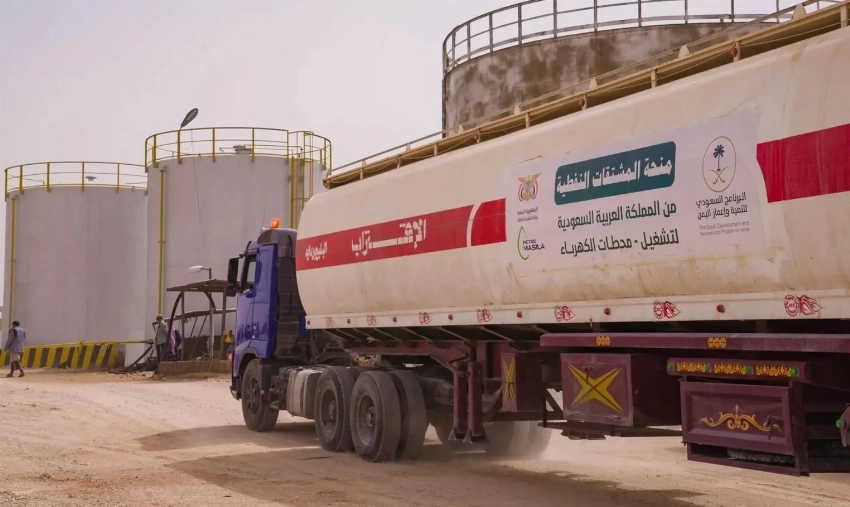
ومكّنت المنحة قطاع الكهرباء من تلبية الطلب المتزايد على الطاقة، لا سيما في القطاعات الحيوية مثل: الصحة، والمياه، والتعليم، بما يدعم استدامة الخدمات الأساسية ويحسن جودة الحياة في مختلف المحافظات اليمنية.
أما على المستوى الاقتصادي، فإن دعم الموازنة اليمنية بقيمة 1.3 مليار ريال سعودي والذي جاء في الربع الأول من 2026 أسهم في تغطية النفقات التشغيلية والرواتب، في خطوة ضرورية لإرساء مقومات الاستقرار الاقتصادي والمالي، بما يؤدي إلى وضع الاقتصاد في مسار أكثر استدامة، حيث جسّدت سلسلة الدعم الاقتصادي والتنموي المقدمة من المملكة بقيمة تجاوزت 12.6 مليار دولار للفترة بين 2012 وحتى 2026، ركيزة أساسية في تعزيز قدرة المؤسسات اليمنية على مواصلة تقديم الخدمات للشعب اليمني الشقيق، وتخفيف حدة الضغوط الاقتصادية والاجتماعية، منها ودائع ومنح لصالح البنك المركزي اليمني، تحقيقًا لمستوى التوازن المالي ودعم استقرار الاقتصاد الكلي.
وفي البنية التحتية، ودعمًا للأولويات التنموية، فمشاريع مثل استكمال مراحل جديدة من طريق العبر، ورفع كفاءة مطار عدن الدولي، يعكسان أهمية الطرق والمطارات ودورها في تعزيز ربط اليمن بالإقليم والعالم؛ بما يسهم في تنشيط الحركة التجارية وتعزيز التكامل الاقتصادي مع الأسواق الإقليمية والدولية.
ولا يقلّ الاستثمار في الإنسان أهمية عن تطوير البنية التحتية؛ ففي قطاع الصحة، تمثّل الجهود التي تُقدَّم عبر البرنامج السعودي لتنمية وإعمار اليمن دعمًا نوعيًا يعزّز استدامة الخدمات الصحية، شمل بناء وتشغيل المستشفيات، وإنشاء المراكز الطبية المتخصصة، وتوفير الأجهزة الحديثة، وتأهيل الكوادر الطبية، كما أجرى البرنامج خلال الربع الأول من 2026 تدخلًا عاجلًا بالتشغيل الكامل لمستشفى سقطرى ومستشفى شبوة ومستشفى المخا؛ مما أسهم في استقرار واستدامة تقديم الخدمات الطبية، ورفع جودتها وتيسير الوصول إليها، وتعزيز جاهزية المستشفيات للتعامل مع الحالات الحرجة والطارئة.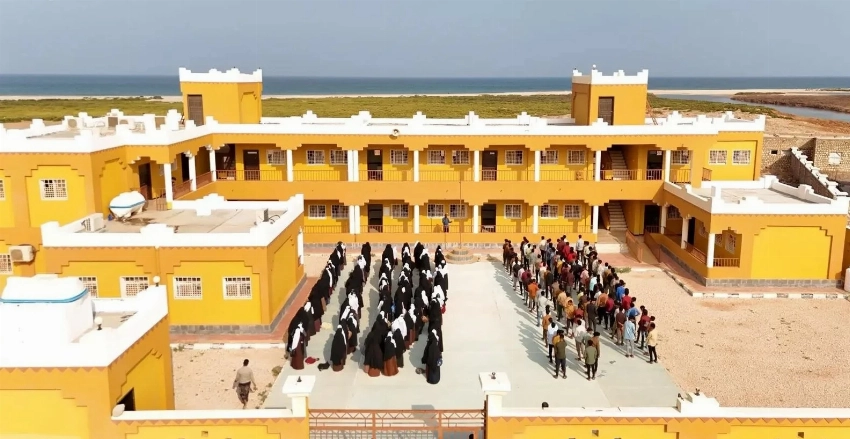
وفي قطاع التعليم، تبرز مبادرات دعم استقرار العملية التعليمية، والتوسع في التعليم الفني والتدريب المهني، بوصفها استجابة عملية لاحتياجات سوق العمل، وتسهم في تقليص فجوة المهارات وبناء قدرات مؤهلة، كما وقع البرنامج مع الصندوق الاجتماعي للتنمية اتفاقية لتنفيذ 5 مشاريع لبناء مدارس نموذجية في مأرب، ولحج، والضالع، وشبوة، وأبين، توفيرًا لبيئة تعليمية محفزّة للطلبة، وتأتي هذه المشاريع ضمن أكثر من 30 مدرسة موزعة في المحافظات اليمنية.
وستسهم المشاريع التعليمية في رفع جودة التعليم، ودعم الأنشطة الرياضية للطلبة، وتعزيز التحصيل العلمي، وتمكين الطلاب بالمهارات العملية والتقنية، ويأتي توقيع الاتفاقية مع الصندوق الاجتماعي للتنمية امتدادًا لدعم مؤسسات الدولة اليمنية واستمرارية عملها في خدمة الشعب اليمني الشقيق.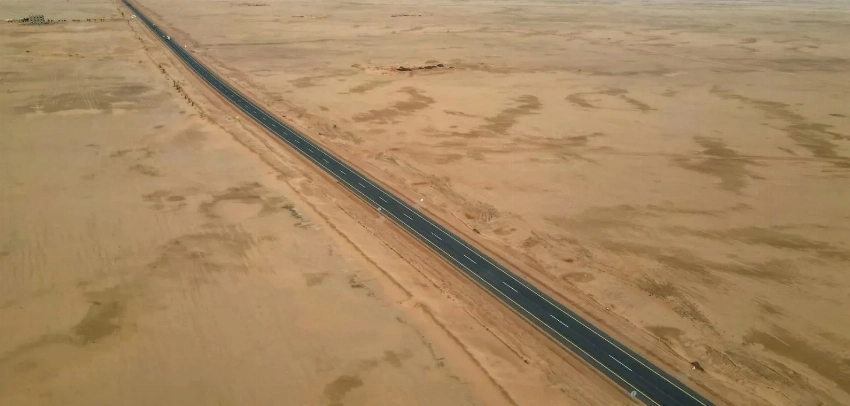
كما وقع البرنامج السعودي لتنمية وإعمار اليمن مع مؤسسة العون للتنمية اتفاقية تنفيذ المرحلة الثانية من مشروع الوصول إلى التعليم في الريف، وتستهدف رفع عدد المستفيدات إلى 450 مستفيدة، تعظيمًا للأثر التنموي الذي شهده المشروع في مرحلته الأولى، إضافة إلى توسيع نطاق المحافظات المستهدفة، ليشمل 6 محافظات هي حضرموت، والمهرة، ومأرب، وتعز، ولحج، وشبوة.
وتأتي المرحلة الثانية من المشروع امتدادًا للنجاحات المحققة والمتمثلة بتأهيل 150 فتاة للتدريس في مدارس التعليم العام، بعد تمكينهن من الحصول على دبلوم المعلمين من وزارة التربية والتعليم اليمنية، وإكسابهن المهارات الحياتية والمهنية اللازمة.
ويسهم المشروع في تطوير ودعم استمرارية العملية التعليمية في المناطق الريفية، ورفع جودة الأداء التعليمي، وزيادة معدل التحاق الفتيات بالتعليم العام في المحافظات المستهدفة.
وعلى امتداد هذه الجهود، يظهر عنصر الشراكة الدولية بوضوح، من خلال التعاون مع اليونسكو، والاتحاد الأوروبي، والبنك الدولي، وهي شراكات تعكس تكاملًا في الأدوار دعمًا للتنمية المستدامة، وتعزيزًا لقدرات المؤسسات اليمنية وتنميتها بما يساند جهودها في خدمة الشعب اليمني الشقيق.
كما امتدت تدخلات البرنامج التنموية لتشمل مشاريع في القطاع الزراعي تستهدف آلاف المستفيدين، وتسهم في تعزيز الأمن الغذائي وتحسين الدخل، إلى جانب دعم مشاريع المياه في عدد من المناطق، حيث أعلن البرنامج السعودي لتنمية وإعمار اليمن، والاتحاد الأوروبي، عن توحيد جهودهما الهادفة إلى تحسين سبل العيش لليمنيين، وذلك من خلال الاستثمار في برامج التعافي الاقتصادي والإصلاحات وتوفير فرص العمل وتعزيز مؤسسات الدولة ودعم صمود المجتمع بما يشمل مجالات الأمن الغذائي والزراعة والكهرباء والمياه والإصحاح البيئي.
ويمثّل دعم تحسين الوصول إلى المياه في محافظة مأرب أول ثمرات الشراكة الإستراتيجية، حيث وقّع كلٌّ من الاتحاد الأوروبي والبرنامج السعودي لتنمية وإعمار اليمن اتفاقية مع مؤسسة صلة للتنمية لتنفيذ مشروع: «تعزيز الأمن المائي في محافظة مأرب» بقيمة إجمالية تتجاوز 9 ملايين ريال سعودي، لتغطية 9 مناطق في 3 مديريات: مأرب الوادي، ومأرب المدينة، وحريب.
ويجسّد هذا التوقيع حرصًا على التعاون الإستراتيجي المشترك وتعزيز التنسيق المؤسسي، وتكامل الجهود التنموية، وتعظيم الأثر المستدام للتدخلات التنموية في الجمهورية اليمنية.
وفي الجانب المجتمعي، شملت الجهود التنموية دعم قطاع الرياضة والشباب بتنظيم بطولات رياضية في عدد من المحافظات، وهي بطولة كرة الطائرة في عدن وسقطرى، وبطولة الشطرنج في سقطرى، وبطولتا كرة اليد وكرة السلة في مأرب، وبطولة كرة السلة في حضرموت؛ مما أسهم في تنشيط الحركة الرياضية وتعزيز مشاركة الشباب واكتشاف المواهب، إلى جانب تنفيذ حملات لتحسين المشهد الحضري، ودعم المبادرات الثقافية مثل الاحتفاء بيوم اللغة السقطرية.
وفي المحصلة، فإن ما يقدمه البرنامج السعودي لتنمية وإعمار اليمن يمثّل مسارًا تنمويًا واقتصاديًا متكاملًا، تتضافر فيه الجهود لتمهيد الطريق نحو مستقبل أكثر استدامة وازدهارًا.
The first quarter of 2026 witnessed extensive developmental activity in the Republic of Yemen, supported by the Kingdom of Saudi Arabia through the Saudi Program for Development and Reconstruction of Yemen, reflecting a comprehensive developmental and economic approach focused on enhancing infrastructure efficiency, empowering vital sectors, and supporting government institutions and their personnel, while building effective partnerships; contributing to achieving stability and advancing recovery pathways.
The developmental package, valued at 1.9 billion Saudi Riyals, was launched last January and included 28 qualitative projects and initiatives distributed across sectors that touch the essence of daily life: electricity, transportation, health, education, water, and various vital sectors, to contribute to improving the quality of daily life in various Yemeni governorates, in addition to 268 developmental projects and initiatives implemented by the Saudi Program for Development and Reconstruction of Yemen since 2018.
In the energy sector, which is the backbone of daily life, the oil derivatives grant contributed to the operation of more than 70 electricity generation stations. This type of developmental intervention not only reflects on the availability of electricity service but also extends its impact to the stability of other sectors, as the oil derivatives grant played a pivotal role in stabilizing fuel supplies for electricity generation stations and ensuring their continuous operation, enhancing the efficiency of generating stations, improving their operational and production capacity, reducing outage periods, enhancing the reliability of electricity service, and improving network stability.
The grant enabled the electricity sector to meet the increasing demand for energy, especially in vital sectors such as health, water, and education, thereby supporting the sustainability of essential services and improving the quality of life in various Yemeni governorates.
On the economic level, the support for the Yemeni budget amounting to 1.3 billion Saudi Riyals, which came in the first quarter of 2026, contributed to covering operational expenses and salaries, in a necessary step to establish the foundations of economic and financial stability, leading to placing the economy on a more sustainable path, as the series of economic and developmental support provided by the Kingdom, valued at over 12.6 billion dollars for the period between 2012 and 2026, represented a fundamental pillar in enhancing the ability of Yemeni institutions to continue providing services to the brotherly Yemeni people, alleviating the severity of economic and social pressures, including deposits and grants for the Central Bank of Yemen, achieving a level of financial balance and supporting macroeconomic stability.
In infrastructure, and in support of developmental priorities, projects such as completing new phases of the Al-Abr road and enhancing the efficiency of Aden International Airport reflect the importance of roads and airports and their role in strengthening Yemen’s connection to the region and the world; contributing to activating trade movement and enhancing economic integration with regional and international markets.
Investment in human capital is no less important than developing infrastructure; in the health sector, the efforts provided through the Saudi Program for Development and Reconstruction of Yemen represent qualitative support that enhances the sustainability of health services, including building and operating hospitals, establishing specialized medical centers, providing modern equipment, and training medical personnel. The program also conducted an urgent intervention during the first quarter of 2026 with the full operation of Socotra Hospital, Shabwa Hospital, and Al-Mokha Hospital; contributing to the stability and sustainability of medical services, improving their quality, facilitating access to them, and enhancing the readiness of hospitals to handle critical and emergency cases.
In the education sector, initiatives to support the stability of the educational process and expand technical education and vocational training stand out as a practical response to labor market needs, helping to close the skills gap and build qualified capacities. The program signed an agreement with the Social Fund for Development to implement 5 projects to build model schools in Marib, Lahij, Al-Dhale, Shabwa, and Abyan, providing a stimulating educational environment for students. These projects are part of more than 30 schools distributed across Yemeni governorates.
The educational projects will contribute to raising the quality of education, supporting sports activities for students, enhancing academic achievement, and equipping students with practical and technical skills. The signing of the agreement with the Social Fund for Development extends the support for Yemeni state institutions and the continuity of their work in serving the brotherly Yemeni people.
The Saudi Program for Development and Reconstruction of Yemen also signed an agreement with the Al-Awn Foundation for Development to implement the second phase of the project to access education in rural areas, targeting an increase in the number of beneficiaries to 450 women, maximizing the developmental impact witnessed by the project in its first phase, in addition to expanding the scope of targeted governorates to include 6 governorates: Hadramaut, Al-Mahrah, Marib, Taiz, Lahij, and Shabwa.
The second phase of the project is an extension of the achieved successes represented by training 150 girls to teach in public education schools, after enabling them to obtain a teaching diploma from the Yemeni Ministry of Education, and equipping them with the necessary life and professional skills.
The project contributes to developing and supporting the continuity of the educational process in rural areas, improving the quality of educational performance, and increasing the enrollment rate of girls in public education in the targeted governorates.
Throughout these efforts, the element of international partnership is clearly evident, through cooperation with UNESCO, the European Union, and the World Bank, partnerships that reflect a complementarity of roles in support of sustainable development, and enhancing the capacities of Yemeni institutions and their development to support their efforts in serving the brotherly Yemeni people.
The developmental interventions of the program have also extended to include projects in the agricultural sector targeting thousands of beneficiaries, contributing to enhancing food security and improving income, in addition to supporting water projects in several areas. The Saudi Program for Development and Reconstruction of Yemen and the European Union announced the unification of their efforts aimed at improving the livelihoods of Yemenis, through investing in economic recovery programs, reforms, providing job opportunities, enhancing state institutions, and supporting community resilience, including areas of food security, agriculture, electricity, water, and environmental sanitation.
Support for improving access to water in Marib Governorate represents the first fruits of the strategic partnership, as both the European Union and the Saudi Program for Development and Reconstruction of Yemen signed an agreement with the Sila Foundation for Development to implement the project: “Enhancing Water Security in Marib Governorate” with a total value exceeding 9 million Saudi Riyals, covering 9 areas in 3 districts: Marib Al-Wadi, Marib City, and Harib.
This signing embodies a commitment to strategic cooperation and enhancing institutional coordination, integrating developmental efforts, and maximizing the sustainable impact of developmental interventions in the Republic of Yemen.
On the community side, developmental efforts included support for the sports and youth sector by organizing sports tournaments in several governorates, including a volleyball championship in Aden and Socotra, a chess championship in Socotra, and handball and basketball championships in Marib, as well as a basketball championship in Hadramaut; contributing to activating sports movement, enhancing youth participation, and discovering talents, alongside implementing campaigns to improve the urban landscape and supporting cultural initiatives such as celebrating the Day of the Socotri Language.
In conclusion, what the Saudi Program for Development and Reconstruction of Yemen offers represents a comprehensive developmental and economic pathway, where efforts converge to pave the way towards a more sustainable and prosperous future.
للمزيد من المقالات
اضغط هنا