
ترمب يشكك في التزام إيران.. وطهران تنفي وصول وفد التفاوض إلى إسلام آباد – أخبار السعودية
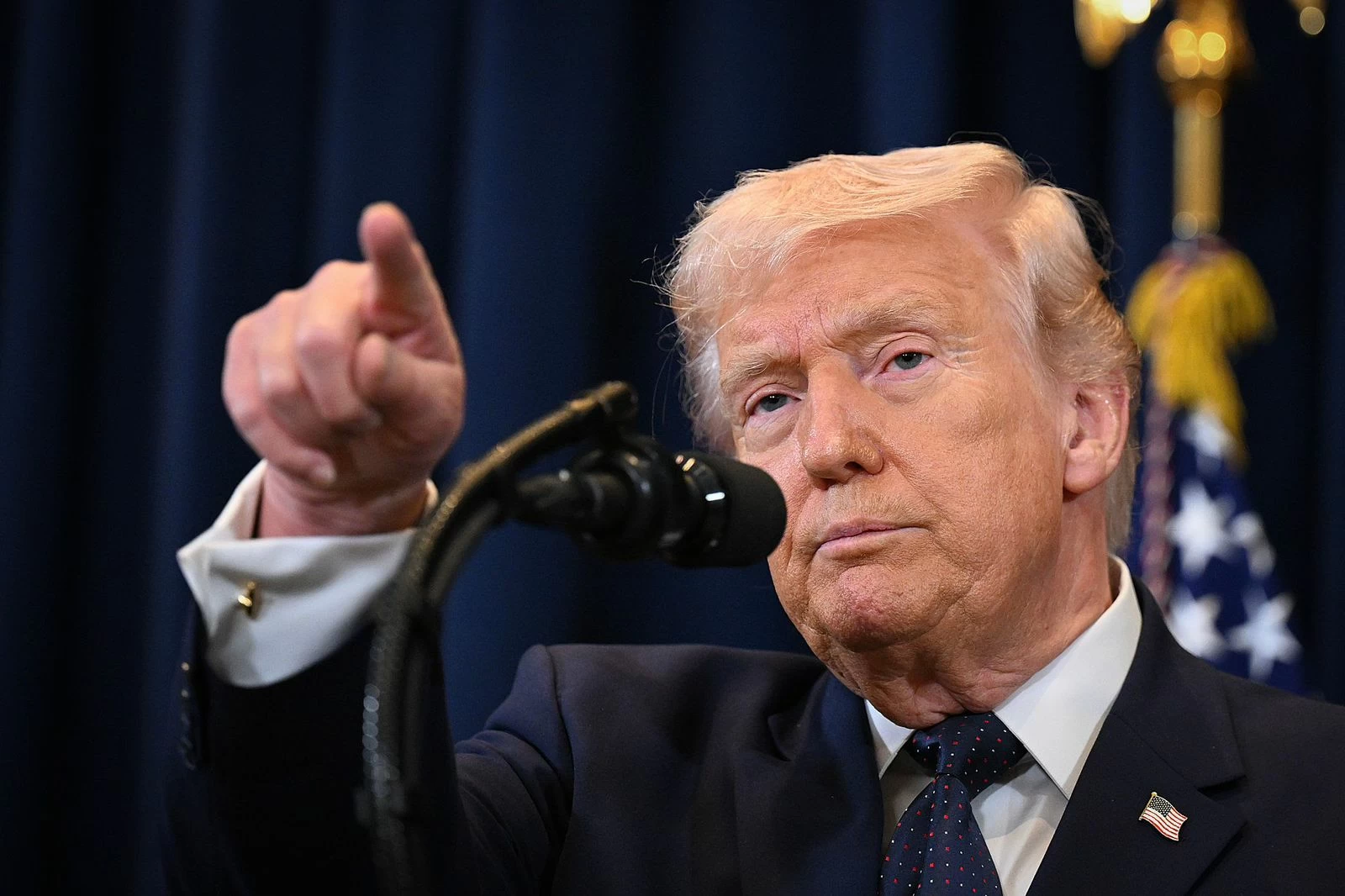
في لحظة حساسة من مسار التهدئة، أعاد الرئيس الأمريكي دونالد ترمب خلط الأوراق بتصريح حاد شكك فيه في التزام إيران بتفاهمات تتعلق بحرية الملاحة في مضيق هرمز، معتبرًا أن ما يجري «لا يعكس الاتفاق القائم»، في إشارة تعكس تصاعد القلق داخل واشنطن من تعثر المسار التفاوضي.
عمل سيء للغاية
وقال ترمب عبر منصة «تروث سوشال» إن إيران «تقوم بعمل سيئ للغاية، بل وغير مشرّف، في السماح بمرور النفط عبر مضيق هرمز»، مؤكدًا أن هذا السلوك «ليس ما تم الاتفاق عليه»، وهو تصريح يحمل في طياته رسائل ضغط واضحة، ويعيد تسليط الضوء على المضيق بوصفه نقطة الاختبار الحقيقية لأي اتفاق سلام محتمل.
نفي إيراني يربك مفاوضات إسلام آباد
وفي موازاة هذا التصعيد السياسي، جاءت الرسائل الإيرانية متباينة، إذ سارعت وسائل إعلام رسمية إلى نفي وصول أي وفد تفاوضي إلى العاصمة الباكستانية إسلام آباد، مشيرة إلى ضرورة أن تفي الولايات المتحدة بالتزاماتها ووقف إسرائيل إطلاق النار على لبنان،.
في وقت كانت فيه تقارير دولية تتحدث عن ترتيبات لجولة جديدة من المحادثات هناك. هذا النفي فتح باب التساؤلات حول مصير المفاوضات، وما إذا كانت طهران تعيد تموضعها التفاوضي، أو تمارس ضغطًا مضادًا في مواجهة الشروط الأمريكية.
ملف هرمز..العنوان الأبرز
ويبدو أن ملف «هرمز» بات العنوان الأبرز في معادلة التفاوض، إذ تسعى واشنطن إلى ضمان تدفق النفط دون عوائق كشرط أساسي لأي اتفاق، بينما تحاول طهران الموازنة بين تقديم إشارات تهدئة والحفاظ على أوراق ضغطها في المنطقة.
وفي خلفية هذا المشهد، يتداخل التصعيد الميداني مع الحراك السياسي، ما يجعل مسار المفاوضات أكثر هشاشة، ويضع اتفاق السلام المرتقب أمام اختبار معقد، تتقاطع فيه المصالح الاستراتيجية مع حسابات القوة والرسائل المتبادلة، في مرحلة تبدو فيها كل خطوة محسوبة بدقة، وكل تصريح قابل لأن يعيد تشكيل المشهد بأكمله.
At a sensitive moment in the course of the de-escalation, U.S. President Donald Trump reshuffled the cards with a sharp statement questioning Iran’s commitment to agreements regarding freedom of navigation in the Strait of Hormuz, considering that what is happening “does not reflect the existing agreement,” in a reference that reflects the growing concern within Washington about the stalling of the negotiation process.
Very Bad Work
Trump stated via the “Truth Social” platform that Iran is “doing very bad work, even dishonorable, by allowing oil to pass through the Strait of Hormuz,” emphasizing that this behavior “is not what was agreed upon.” This statement carries clear pressure messages and brings the strait back into focus as the real testing point for any potential peace agreement.
Iranian Denial Confuses Islamabad Negotiations
Alongside this political escalation, Iranian messages were mixed, as official media hastened to deny the arrival of any negotiating delegation in the Pakistani capital, Islamabad, indicating that the United States must fulfill its commitments and stop Israel from firing on Lebanon.
At the same time, international reports were discussing arrangements for a new round of talks there. This denial raised questions about the fate of the negotiations and whether Tehran is repositioning its negotiating stance or exerting counter-pressure against U.S. conditions.
The Hormuz File.. The Main Title
It seems that the “Hormuz” file has become the main title in the negotiation equation, as Washington seeks to ensure the uninterrupted flow of oil as a fundamental condition for any agreement, while Tehran tries to balance between sending signals of de-escalation and maintaining its leverage in the region.
In the background of this scene, the field escalation intertwines with political movement, making the negotiation process more fragile and placing the anticipated peace agreement before a complex test, where strategic interests intersect with power calculations and exchanged messages, in a phase where every step seems meticulously calculated, and every statement capable of reshaping the entire scene.
للمزيد من المقالات
اضغط هنا