
مهلة ترمب تقترب من النهاية.. وماكرون يرفض العمل العسكري.. أزمة «هرمز» تتفاقم – أخبار السعودية
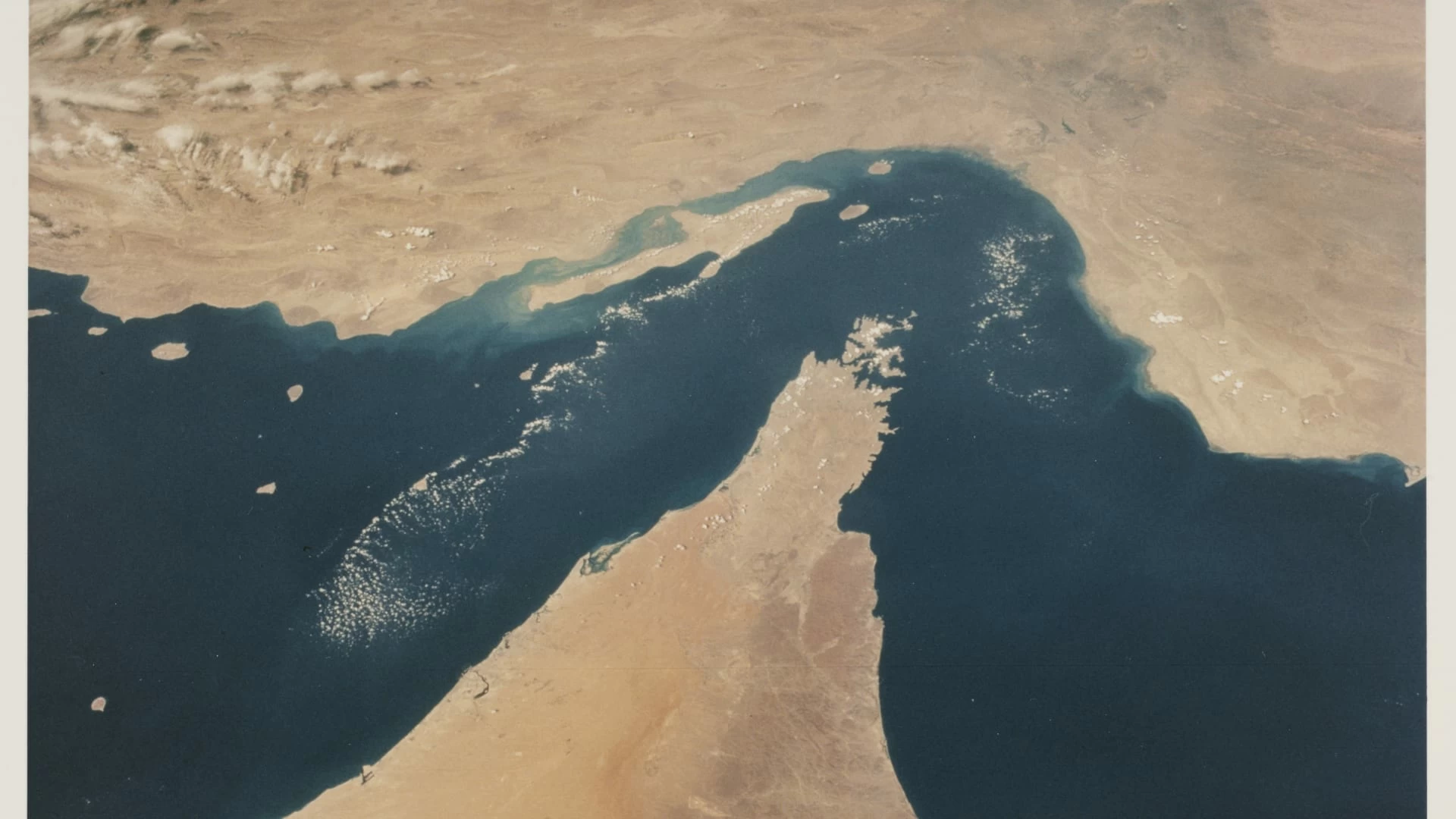
كشف الرئيس الفرنسي إيمانويل ماكرون، اليوم الجمعة، أن بلاده تخطط لعملية سلمية مع دول أخرى لإعادة فتح مضيق هرمز.
قرب انتهاء مهلة ترمب
وأعلن ماكرون أنه يرفض تعطيل الملاحة بمضيق هرمز، لكن الحل يجب ألا يكون عسكرياً. وقال: «نريد فتح الممر الملاحي عبر التفاوض».
وبينما اقتربت المهلة التي حددها الرئيس الأمريكي دونالد ترمب لإعادة فتح مضيق هرمز من نهايتها، أكد أن قواته ستواصل ضرب إيران «بعنف شديد» خلال الأسبوعين أو الأسابيع الثلاثة القادمة، وأن الأهداف العسكرية الأمريكية ستُنجز «قريباً جداً». وفي المقابل، تمسكت طهران بإغلاق المضيق أمام «الأعداء»، وردت بتهديدات بتوسيع الضربات.
نظام جديد للملاحة
من جهته، قال نائب وزير الخارجية الإيراني كاظم غريب آبادي: إن بلاده تعمل مع سلطنة عمان على إعداد نظام جديد للملاحة في المضيق، على أن يبدأ تطبيقه بعد انتهاء الحرب. ولفت إلى أن المشروع بلغ مراحله النهائية. وأضاف أن إيران ترى ضرورة منع سفن المعتدين التجارية والعسكرية، من عبور المضيق إذا كانت تشارك في العمليات العسكرية أو تدعمها.
وأوضح أن التصور الإيراني يقوم على إلزام جميع السفن العابرة، حتى في أوقات السلم، بالحصول مسبقاً على الموافقات والتصاريح اللازمة من إيران وعُمان، بما يضمن أمن الممر وسلامة العبور. وقال إن العمل يتركز حالياً على بروتوكول مشترك مع سلطنة عُمان لا يستهدف فرض قيود بل تنظيم المرور وتقديم الخدمات وضمان الأمن.
نشاط دبلوماسي باكستاني
في المقابل، قالت باكستان إنها مستعدة لاستضافة محادثات مباشرة بين الولايات المتحدة وإيران للمساعدة في إنهاء الصراع، من دون تحديد موعد بعد. وقالت الخارجية الباكستانية إن إسلام آباد تواصل بذل جهود دبلوماسية بنشاط لوقف الأعمال العدائية، وإن دول المنطقة تدعم إمكان عقد محادثات محتملة في إسلام آباد. وأضافت أن رئيس الوزراء شهباز شريف بحث المبادرة مع الرئيس الإيراني مسعود بزشكيان، وشدد على ضرورة بناء الثقة لتسهيل التفاوض والوساطة.
الصين تدعو لوقف النار
وكانت بريطانيا عقدت اجتماعا افتراضيا ضم نحو 30 إلى 35 دولة، وجرى بحث تدابير دبلوماسية وسياسية لاستئناف الملاحة في المضيق بعد انتهاء الحرب. لكن الرئيس الفرنسي إيمانويل ماكرون قال إن أي عملية عسكرية لتحرير هرمز ستكون غير واقعية.
ودعت الصين إلى وقف فوري لإطلاق النار، وقالت إن استعادة الاستقرار في المضيق هدف مشترك للمجتمع الدولي، محملة العمليات العسكرية الأمريكية والإسرائيلية مسؤولية تعطيل الملاحة. كما حصلت الفلبين على تأكيد إيراني بسلامة مرور سفنها ووارداتها النفطية وبحارتها عبر المضيق. وأبدت روسيا استعداداً للمساعدة في تسوية الحرب، فيما حذر وزير الخارجية الإيطالي من أن استمرارها قد يؤدي إلى زيادة تدفقات الهجرة.
أوكرانيا تعرض المساعدة
بدوره، قال الرئيس الأوكراني فولوديمير زيلينسكي، في تصريحات الجمعة، إن بلاده يمكن أن تساعد في فتح مضيق هرمز الذي أدى إغلاقه من جانب إيران إلى اضطرابات في الاقتصاد العالمي.
وقال زيلينسكي لمجموعة من الصحايين: «لم يطلب منّا أحد التدخل في مسألة مضيق هرمز. خلال زياراتي، قلت لممثّلي دول الشرق الأوسط والخليج: أوكرانيا مستعدة للمساعدة في كل ما يتعلق بالدفاع».
لكن الرئيس الأوكراني لم يوضح كيف يمكن بلاده المساهمة في فتح المضيق، وإنْ أشار إلى خبرتها في إعادة الملاحة إلى البحر الأسود، الذي كانت روسيا أغلقته في بداية غزوها لأوكرانيا.
French President Emmanuel Macron revealed today, Friday, that his country is planning a peaceful operation with other nations to reopen the Strait of Hormuz.
Near the end of Trump’s deadline
Macron announced that he rejects disrupting navigation in the Strait of Hormuz, but the solution should not be military. He stated, “We want to open the shipping lane through negotiation.”
As the deadline set by U.S. President Donald Trump to reopen the Strait of Hormuz approaches its end, he confirmed that his forces will continue to strike Iran “very hard” over the next two weeks or three weeks, and that U.S. military objectives will be accomplished “very soon.” In response, Tehran insisted on closing the strait to “enemies” and retaliated with threats to expand strikes.
A new navigation system
For his part, Iranian Deputy Foreign Minister Kazem Gharib Abadi stated that his country is working with Oman to prepare a new navigation system in the strait, which will be implemented after the war ends. He noted that the project has reached its final stages. He added that Iran sees the necessity of preventing commercial and military ships of aggressors from crossing the strait if they are participating in or supporting military operations.
He explained that the Iranian vision is based on requiring all passing ships, even in times of peace, to obtain prior approvals and permits from Iran and Oman, ensuring the security of the corridor and the safety of passage. He said that the current focus is on a joint protocol with Oman that does not aim to impose restrictions but to organize traffic, provide services, and ensure security.
Pakistani diplomatic activity
In contrast, Pakistan stated that it is ready to host direct talks between the United States and Iran to help end the conflict, without specifying a date yet. The Pakistani Foreign Ministry stated that Islamabad continues to actively make diplomatic efforts to stop hostilities, and that regional countries support the possibility of holding talks in Islamabad. It added that Prime Minister Shahbaz Sharif discussed the initiative with Iranian President Masoud Bezhakian, emphasizing the need to build trust to facilitate negotiation and mediation.
China calls for a ceasefire
Britain had held a virtual meeting involving about 30 to 35 countries, discussing diplomatic and political measures to resume navigation in the strait after the war ends. However, French President Emmanuel Macron stated that any military operation to liberate Hormuz would be unrealistic.
China called for an immediate ceasefire, stating that restoring stability in the strait is a common goal for the international community, holding U.S. and Israeli military operations responsible for disrupting navigation. The Philippines also received Iranian assurances regarding the safety of its ships, oil imports, and sailors passing through the strait. Russia expressed readiness to assist in resolving the war, while the Italian Foreign Minister warned that its continuation could lead to increased migration flows.
Ukraine offers assistance
For his part, Ukrainian President Volodymyr Zelensky stated in remarks on Friday that his country could help open the Strait of Hormuz, which has been closed by Iran, leading to disruptions in the global economy.
Zelensky told a group of reporters, “No one has asked us to intervene in the Strait of Hormuz issue. During my visits, I told representatives of Middle Eastern and Gulf countries: Ukraine is ready to assist in everything related to defense.”
However, the Ukrainian president did not clarify how his country could contribute to reopening the strait, although he referred to its experience in restoring navigation in the Black Sea, which Russia had closed at the beginning of its invasion of Ukraine.
للمزيد من المقالات
اضغط هنا