
تقييمات استخباراتية تناقض تصريحات ترمب.. الحرب دمرت ثلث صواريخ إيران – أخبار السعودية
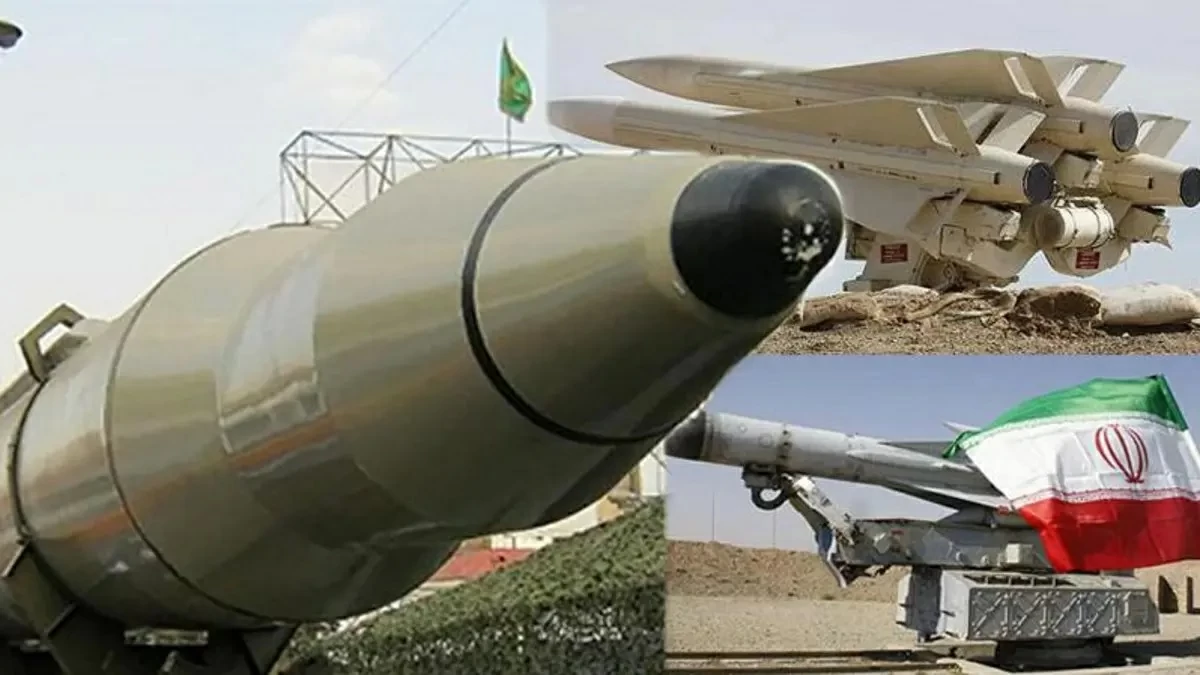
أفصحت تقييمات استخباراتية أن ثلث الصواريخ الإيرانية دُمرت، وثلثا آخر تضرر أو دفن تحت الأرض جراء الغارات الأمريكية الإسرائيلية في الحرب التي دخلت شهرها الثاني.
معلومات تناقض تصريحات ترمب
وأفادت مصادر مطلعة بأن معلومات استخبارات أمريكية أكدت تدمير نحو ثلث صواريخ إيران خلال الحرب. وتوقعت أن ثلثا آخر من الصواريخ تضرر أو دمر أو دفن تحت الأرض. وذكرت المصادر أن وضع نحو ثلث آخر من الصواريخ غير واضح، إلا أنها رجّحت أن القصف دمّر أو ألحق الضرر أو دفن تلك الصواريخ داخل الأنفاق والمخابئ تحت الأرض.
ويكشف التقييم الاستخباراتي أنه رغم تدمير أو تعطّل معظم الصواريخ، لا تزال طهران تمتلك مخزوناً صاروخياً كبيراً، وقد تكون قادرة على استعادة بعض تلك الصواريخ المدفونة أو المتضررة بعد توقف القتال.
لكن هذه المعلومات الاستخباراتية تتناقض مع تصريحات الرئيس دونالد ترمب التي قال فيها، أمس (الخميس)، إن إيران لم يتبقَّ لديها «سوى عدد قليل جدًا من الصواريخ».
وأكد الرئيس الأمريكي خلال اجتماع حكومي، أن القوات الأمريكية دمرت 99% من الصواريخ الإيرانية. وقال: «بقي 1% من الصواريخ فقط، وهذا غير مقبول، لأن 1% يعني صاروخاً واحداً قد يصيب بدن سفينة قيمتها مليار دولار».
التخزين في مخابئ تحت الأرض
من جانبه، رفض النائب الديمقراطي سيث مولتون، وهو من قدامى مشاة البحرية وخدم أربع جولات في العراق، التعليق على تلك المعلومات، لكنه شكك في تصريحات ترمب بشأن تأثير الحرب على ترسانة إيران الصاروخية. وقال: «إذا كانت إيران ذكية فهي قد احتفظت ببعض قدراتها، ولا تستخدم كل ما لديها.. بل تنتظر».
وحسب المصادر فإن جزءاً من المشكلة هو تحديد عدد الصواريخ التي خزنتها إيران في المخابئ تحت الأرض قبل بدء الحرب.
الخبيرة في قوات الصواريخ الإيرانية والحرس الثوري في جامعة ساينس بو في باريس نيكول غرايويسكي، اعتبرت أن إدارة ترمب ربما بالغت في تقدير تأثير الضربات الأمريكية على القدرات الإيرانية. ولفتت إلى أن طهران لا تزال قادرة على تنفيذ ضربات من قاعدة «بيد كانه» العسكرية رغم تعرضها لقصف مكثّف.
وأعربت عن اعتقادها أن إيران ما زال لديها نحو 30% من قدراتها الصاروخية. وأوضحت أن لديها أكثر من 12 منشأة ضخمة تحت الأرض يمكنها الاحتفاظ فيها بقاذفات وصواريخ. وتساءلت: «هل انهارت هذه المنشآت؟».
تحدي شبكة الأنفاق الإيرانية
من جانبه، شكك مسؤول أمريكي في قدرة الولايات المتحدة على تقييم القدرات الصاروخية الإيرانية بدقة، جزئيًا لأنه من غير الواضح عدد الصواريخ الموجودة في الأنفاق والتي قد تظل صالحة للاستخدام. وأضاف: «لا أعرف ما إذا كنا سنحصل يوماً على رقم دقيق».
وكان وزير الدفاع الأمريكي بيت هيغسيث اعترف بالتحدي الذي تطرحه شبكة الأنفاق الإيرانية وقال إن إيران دولة شاسعة. ومثل حماس وأنفاقها في غزة، فقد أنفقت أي مساعدات أو تنمية اقتصادية على الأنفاق والصواريخ، مؤكدا أن بلاده «تطاردهم بشكل منهجي، وبقوة ساحقة»، معتبراً أن «النتائج تتحدث عن نفسها»، وفق قوله. لكنه لم يقدّم أي تفاصيل حول نسبة الصواريخ أو المسيّرات التي تم تدميرها.
Intelligence assessments revealed that one-third of Iranian missiles have been destroyed, while another two-thirds were damaged or buried underground due to American-Israeli airstrikes in a war that has entered its second month.
Information contradicting Trump’s statements
Informed sources reported that American intelligence confirmed the destruction of about one-third of Iran’s missiles during the war. They predicted that another two-thirds of the missiles were damaged, destroyed, or buried underground. The sources mentioned that the status of about one-third of the missiles remains unclear, but they suggested that the bombardment destroyed, damaged, or buried those missiles within tunnels and underground shelters.
The intelligence assessment reveals that despite the destruction or malfunction of most missiles, Tehran still possesses a large missile stockpile and may be able to recover some of those buried or damaged missiles after the fighting stops.
However, this intelligence information contradicts President Donald Trump’s statements made yesterday (Thursday), in which he claimed that Iran has “only a very few missiles left.”
The American president confirmed during a government meeting that U.S. forces destroyed 99% of Iranian missiles. He stated, “Only 1% of the missiles remain, and that is unacceptable, because 1% means one missile could hit the hull of a billion-dollar ship.”
Storage in underground shelters
For his part, Democratic Congressman Seth Moulton, a veteran Marine who served four tours in Iraq, declined to comment on that information but expressed skepticism about Trump’s statements regarding the war’s impact on Iran’s missile arsenal. He said, “If Iran is smart, it has retained some of its capabilities and is not using everything it has… but is waiting.”
According to sources, part of the problem is determining the number of missiles that Iran stored in underground shelters before the war began.
Nicole Graviuski, an expert on Iranian missile forces and the Revolutionary Guard at Sciences Po in Paris, considered that the Trump administration may have overestimated the impact of American strikes on Iranian capabilities. She pointed out that Tehran is still capable of conducting strikes from the “Bid Kaneh” military base despite being subjected to intense bombardment.
She expressed her belief that Iran still has about 30% of its missile capabilities. She explained that it has more than 12 large underground facilities where it can store launchers and missiles. She questioned, “Have these facilities collapsed?”
The challenge of the Iranian tunnel network
For his part, an American official questioned the United States’ ability to accurately assess Iran’s missile capabilities, partly because it is unclear how many missiles are in the tunnels that may still be usable. He added, “I don’t know if we will ever get an accurate number.”
U.S. Defense Secretary Pete Hegseth acknowledged the challenge posed by the Iranian tunnel network, stating that Iran is a vast country. Like Hamas and its tunnels in Gaza, it has spent any aid or economic development on tunnels and missiles, asserting that his country is “systematically pursuing them, with overwhelming force,” considering that “the results speak for themselves,” according to him. However, he did not provide any details regarding the percentage of missiles or drones that have been destroyed.
للمزيد من المقالات
اضغط هنا