
النمسا تتجه لحظر وسائل التواصل الاجتماعي على الأطفال دون 14 عامًا – أخبار السعودية
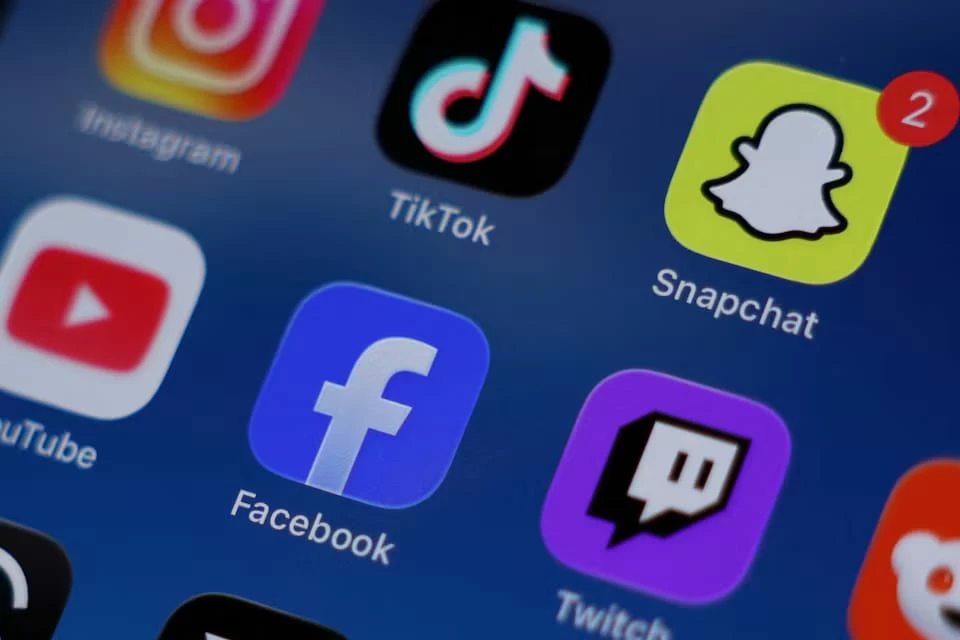
أعلنت الحكومة النمساوية التي يقودها ائتلاف ثلاثي محافظ خططا لفرض حظر على استخدام وسائل التواصل الاجتماعي للأطفال دون سن 14 عامًا، في خطوة تهدف إلى حماية القُصّر من المخاطر الرقمية المتزايدة.
وكشف وزراء من الأحزاب الحاكمة، اليوم (الجمعة)، التوصل إلى اتفاق مبدئي بشأن الحظر، مؤكدين أنه يستهدف الحد من تأثير الخوارزميات المسببة للإدمان وحماية الأطفال من محتوى ضار، بما في ذلك الاستغلال الجنسي، ورغم الاتفاق على المبدأ، لم تُحدد الحكومة بعد موعد بدء تطبيق القرار، كما لا تزال آليات التنفيذ قيد النقاش.
وفي هذا السياق، شدد نائب المستشار، أندرياس بابلر، المنتمي إلى الحزب الاشتراكي الديمقراطي، على أن الحكومة عازمة على اتخاذ إجراءات حاسمة، قائلاً: «سنحمي الأطفال والشباب بشكل حاسم في المستقبل من الآثار السلبية لوسائل التواصل الاجتماعي».
وأضاف: «لن نقف مكتوفي الأيدي بعد الآن بينما تتسبب هذه المنصات في إدمان أطفالنا، بل وتؤثر على صحتهم في كثير من الأحيان، لقد تم تجاهل المخاطر المرتبطة بهذا الاستخدام لفترة طويلة، وحان الوقت للتحرك».
وتأتي هذه الخطوة في سياق توجه دولي متزايد لتقييد استخدام الأطفال لمنصات التواصل الاجتماعي، حيث كانت أستراليا قد فرضت في ديسمبر الماضي حظرًا على من هم دون 16 عامًا، لتصبح أول دولة تقدم على هذه الخطوة، فيما صادق البرلمان الفرنسي في يناير على مشروع قانون يمنع استخدامها لمن هم دون 15 عامًا.
ومن المتوقع أن يتم إعداد مشروع قانون الحظر في النمسا بحلول نهاية يونيو القادم، وفق ما أعلنه بابلر ووزير الدولة المحافظ لشؤون الرقمنة ألكسندر برول.
وأشار بابلر إلى أن الحكومة لن تعتمد قائمة محددة بالمنصات المشمولة بالحظر، بل ستحددها بناءً على معايير مثل مدى إدمان خوارزمياتها، وما إذا كانت تتضمن محتوى خطيرًا كـ«العنف الجنسي».
The Austrian government, led by a conservative three-party coalition, has announced plans to impose a ban on the use of social media for children under the age of 14, in a move aimed at protecting minors from increasing digital risks.
Ministers from the ruling parties revealed today (Friday) that they have reached a preliminary agreement on the ban, confirming that it aims to reduce the impact of addictive algorithms and protect children from harmful content, including sexual exploitation. While the principle has been agreed upon, the government has not yet specified when the decision will be implemented, and the mechanisms for enforcement are still under discussion.
In this context, Deputy Chancellor Andreas Babler, a member of the Social Democratic Party, emphasized that the government is determined to take decisive action, stating: “We will decisively protect children and young people in the future from the negative effects of social media.”
He added: “We will no longer stand idly by while these platforms cause our children to become addicted and often affect their health. The risks associated with this use have been ignored for too long, and it is time to act.”
This step comes amid a growing international trend to restrict children’s use of social media platforms, as Australia imposed a ban in December on those under 16, becoming the first country to take this step, while the French parliament approved a bill in January that prohibits use for those under 15.
A draft law for the ban in Austria is expected to be prepared by the end of June, according to Babler and the conservative Minister of State for Digital Affairs, Alexander Brol.
Babler indicated that the government will not adopt a specific list of platforms covered by the ban but will determine them based on criteria such as the addictiveness of their algorithms and whether they include dangerous content like “sexual violence.”
للمزيد من المقالات
اضغط هنا