
«السبع» تحذر: حرب إيران تسبب كارثة اقتصادية عالمية – أخبار السعودية
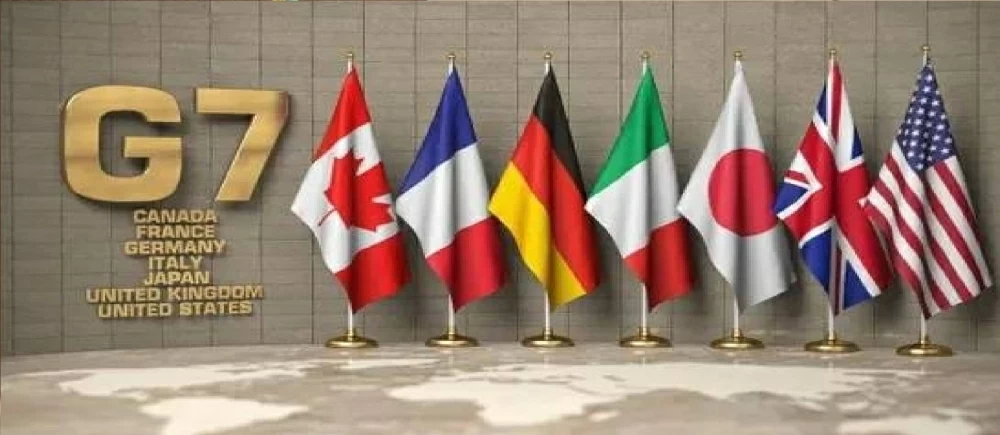
حذر وزراء من دول مجموعة السبع من أن الحرب التي تشنها الولايات المتحدة وإسرائيل ضد إيران تسبب كارثة اقتصادية عالمية، وذلك قبيل انعقاد القمة الوزارية للمجموعة اليوم في فرنسا، حيث تتصدر الحربان في إيران وأوكرانيا جدول الأعمال.
وتأتي القمة في ظل تصاعد القلق الأوروبي من تداعيات الصراع، وسط توقعات بأن تدفع دول الاتحاد الأوروبي باتجاه حث واشنطن على إيجاد مخرج تفاوضي يحد من تبعات الحرب.
أزمة للجميع
وزير الدفاع الألماني بوريس بيستوريوس قال في تصريح حاد صباح اليوم:«إن هذه الحرب كارثة لاقتصادات العالم كافة، فالدول الأوروبية لم يتم التشاور معها منذ البداية، ولم يسألنا أحد، وهذه ليست حربنا».
وكشف وزير المالية الفرنسي رولان ليسكور أن 30 إلى 40% من طاقة التكرير في الخليج باتت خارج الخدمة، وأن 17% من إنتاج الغاز تضرر وفق تقديرات قطر، موضحاً أن إصلاح تلك الأضرار قد يستغرق نحو ثلاث سنوات.
حتى رئيسة الوزراء الإيطالية جورجا ميلوني – المعروفة بقربها من واشنطن – وصفت ما يجري بأنه «أزمة تمس الجميع»، محذرة من أن استمرارها سيؤدي إلى انعكاسات اقتصادية واجتماعية أوسع خاصة على الدول الهشة وفي مقدمتها الدول الأفريقية.
مسار للخروخ
وتنعقد قمة مجموعة السبع بمشاركة وفود من السعودية والبرازيل والهند وكوريا الجنوبية وأوكرانيا، في وقت تبدو فيه واشنطن، باحثة عن مسار للخروج من الحرب، بحسب مسؤولين أوروبيين.
وتسببت الضربات الأمريكية ‑ الإسرائيلية ورد طهران في تدمير أجزاء واسعة من البنية التحتية للطاقة في إيران وعدة دول خليجية؛ ما أدى إلى ارتفاعات قياسية في أسعار الطاقة منذ اندلاع الصراع أواخر فبراير الماضي.
وأدت الإغلاقات شبه الكاملة لمضيق هرمز، الذي تمر عبره خُمس إمدادات النفط والغاز العالمية، إلى خنق الإمدادات، ما دفع قادة الاتحاد الأوروبي للتحذير من أن الوضع حرج للغاية.
Ministers from the G7 countries warned that the war waged by the United States and Israel against Iran is causing a global economic disaster, just before the group’s ministerial summit today in France, where the wars in Iran and Ukraine are at the top of the agenda.
The summit comes amid rising European concerns about the ramifications of the conflict, with expectations that EU countries will push Washington to find a negotiated exit that limits the consequences of the war.
A Crisis for Everyone
German Defense Minister Boris Pistorius said in a sharp statement this morning: “This war is a disaster for all the world’s economies; European countries were not consulted from the beginning, and no one asked us, and this is not our war.”
French Finance Minister Roland Lescure revealed that 30 to 40% of refining capacity in the Gulf is now out of service, and that 17% of gas production has been affected according to estimates from Qatar, explaining that repairing those damages could take about three years.
Even Italian Prime Minister Giorgia Meloni – known for her closeness to Washington – described what is happening as “a crisis that affects everyone,” warning that its continuation will lead to broader economic and social repercussions, especially on fragile countries, foremost among them African nations.
A Path to Exit
The G7 summit is being held with the participation of delegations from Saudi Arabia, Brazil, India, South Korea, and Ukraine, at a time when Washington appears to be seeking a path to exit the war, according to European officials.
The American-Israeli strikes and Iran’s response have caused extensive damage to energy infrastructure in Iran and several Gulf countries; this has led to record increases in energy prices since the conflict erupted in late February.
The near-complete closures of the Strait of Hormuz, through which one-fifth of the world’s oil and gas supplies pass, have suffocated supplies, prompting EU leaders to warn that the situation is extremely critical.
للمزيد من المقالات
اضغط هنا
التعليقات