
مخاوف من نفاد الوقود.. أول دولة تعلن حالة طوارئ وطنية للطاقة بسبب حرب إيران – أخبار السعودية
أعلنت الفلبين حالة طوارئ وطنية في قطاع الطاقة، لتصبح أول دولة في العالم تتخذ هذا الإجراء على خلفية تداعيات الحرب الدائرة بين الولايات المتحدة وإسرائيل من جهة، وإيران من جهة أخرى، وما نتج عنها من اضطرابات حادة في أسواق الطاقة العالمية.
خطر وشيك يهدد الإمدادات
وقال الرئيس فرديناند ماركوس إنه وقّع أمرًا تنفيذيًا يهدف إلى حماية أمن الطاقة في البلاد، محذرًا من خطر وشيك يهدد توافر واستقرار الإمدادات، في ظل تصاعد الأزمة التي أثّرت بشكل مباشر على حركة شحن النفط عالميًا، خاصة مع الإغلاق شبه الكامل لمضيق هرمز، أحد أهم الممرات الحيوية لنقل الطاقة.
أكثر الدول تأثرًا بالأزمة
وتعتمد الفلبين بشكل شبه كامل على واردات النفط من منطقة الخليج بنسبة تصل إلى 98%، ما جعلها من أكثر الدول تأثرًا بالأزمة، حيث تضاعفت أسعار الوقود، بما في ذلك البنزين والديزل، منذ اندلاع الحرب في 28 فبراير، وهو ما انعكس بشكل مباشر على تكاليف المعيشة والأنشطة الاقتصادية.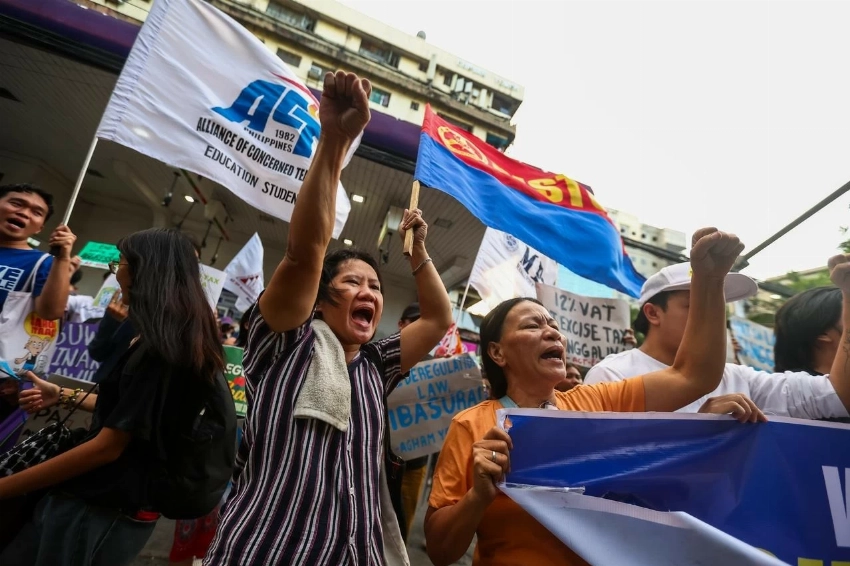
صلاحيات استثنائية
وبموجب القرار، حصلت الحكومة على صلاحيات استثنائية تتيح لها التدخل المباشر لضمان استقرار الإمدادات، بما في ذلك شراء الوقود والمنتجات البترولية بشكل مباشر، إلى جانب تشكيل لجنة مختصة للإشراف على توزيع الوقود والسلع الأساسية مثل الغذاء والأدوية.
وخلال مؤتمر صحفي، دعا ماركوس المواطنين إلى عدم الذعر، مؤكدًا أن الحكومة تعمل على تأمين مصادر بديلة للطاقة، معربًا عن ثقته في توفير إمدادات كافية قبل نفاد المخزون الحالي، الذي يكفي لمدة 45 يومًا، وأضاف أن تدفق النفط سيستمر عبر شحنات متعددة، وليس مجرد إمدادات محدودة.
طوارئ لمدة عام كامل
وأشار إلى أن جميع الخيارات مطروحة للتعامل مع الأزمة، موضحًا أن حالة الطوارئ ستظل سارية لمدة عام كامل، ما لم يتم رفعها أو تمديدها بقرار رئاسي.
ويأتي هذا الإعلان استجابة لضغوط متزايدة من أعضاء في مجلس الشيوخ، الذين دعوا إلى الاعتراف بحجم الأزمة التي تواجهها الأسر الفلبينية نتيجة الارتفاع الحاد في أسعار الوقود.
بين الانتقادات والتأييد
في المقابل، قوبل القرار بانتقادات من بعض القوى العمالية، وعلى رأسها أحد أكبر التحالفات العمالية في البلاد، كيلوسانغ مايو أونو (KMU)، التي اعتبرت أن إعلان الطوارئ يمثل اعترافًا بفشل الحكومة في التعامل المبكر مع الأزمة، متهمة السلطات بالتقليل من خطورة الوضع في السابق.
وأعربت النقابة عن مخاوفها من بنود في القرار قد تقيد حقوق العمال، خاصة ما يتعلق بإمكانية الحد من الإضرابات أو أي أنشطة قد تُعتبر معطلة للاقتصاد، في وقت تتزايد فيه الضغوط المعيشية.
في المقابل، أيد الملياردير مانويل بانغيلينان، الذي يرأس عددًا من شركات المرافق الكبرى، دعمه للقرار، مؤكدًا أن الشركات بدأت بالفعل تتأثر بارتفاع تكاليف الطاقة، وأن الحكومة بحاجة إلى جميع الأدوات الممكنة لتجاوز الأزمة.
دعوات لإضرابات واسعة
وتتزامن هذه التطورات مع دعوات لإضرابات واسعة يقودها تحالف نقابات النقل، من بينها Piston، احتجاجًا على ارتفاع أسعار الوقود، حيث تطالب بإلغاء الضرائب على الوقود، وخفض الأسعار، وفرض رقابة حكومية على السوق، إلى جانب زيادة الأجور وتعريفة النقل.
وفي إطار الإجراءات الطارئة، لجأت الحكومة إلى تقديم دعم مالي لسائقي النقل، وتقليل خدمات العبارات، وتطبيق نظام عمل لمدة أربعة أيام أسبوعيًا للموظفين الحكوميين بهدف ترشيد استهلاك الوقود.
كما أعلنت وزارة الطاقة أن البلاد قد تعتمد مؤقتًا بشكل أكبر على محطات الفحم لتلبية احتياجاتها، في ظل الارتفاع الكبير في أسعار الغاز الطبيعي المسال.
The Philippines has declared a national state of emergency in the energy sector, becoming the first country in the world to take this measure in response to the repercussions of the ongoing war between the United States and Israel on one side and Iran on the other, which has resulted in severe disruptions in global energy markets.
Imminent Danger Threatening Supplies
President Ferdinand Marcos stated that he signed an executive order aimed at protecting the country’s energy security, warning of an imminent danger threatening the availability and stability of supplies, amid the escalating crisis that has directly affected global oil shipping, especially with the near-total closure of the Strait of Hormuz, one of the most vital corridors for energy transport.
Most Affected Countries by the Crisis
The Philippines relies almost entirely on oil imports from the Gulf region, accounting for up to 98%, making it one of the most affected countries by the crisis, as fuel prices, including gasoline and diesel, have doubled since the outbreak of the war on February 28, which has directly impacted the cost of living and economic activities.
Extraordinary Powers
Under the decision, the government has been granted extraordinary powers that allow it to intervene directly to ensure the stability of supplies, including purchasing fuel and petroleum products directly, as well as forming a specialized committee to oversee the distribution of fuel and essential goods such as food and medicine.
During a press conference, Marcos urged citizens not to panic, emphasizing that the government is working to secure alternative energy sources, expressing confidence in providing sufficient supplies before the current stock, which is enough for 45 days, runs out. He added that oil flow will continue through multiple shipments, not just limited supplies.
Emergency for a Full Year
He noted that all options are on the table to deal with the crisis, explaining that the state of emergency will remain in effect for a full year unless lifted or extended by a presidential decision.
This announcement comes in response to increasing pressure from members of the Senate, who have called for recognition of the scale of the crisis facing Filipino families due to the sharp rise in fuel prices.
Between Criticism and Support
In contrast, the decision faced criticism from some labor forces, led by one of the largest labor coalitions in the country, Kilusang Mayo Uno (KMU), which considered the declaration of emergency an acknowledgment of the government’s failure to address the crisis early, accusing the authorities of downplaying the seriousness of the situation previously.
The union expressed concerns about provisions in the decision that could restrict workers’ rights, particularly regarding the possibility of limiting strikes or any activities that could be considered disruptive to the economy, at a time when living pressures are increasing.
Conversely, billionaire Manuel Pangilinan, who heads several major utility companies, expressed his support for the decision, stating that companies are already being affected by rising energy costs and that the government needs all possible tools to overcome the crisis.
Calls for Widespread Strikes
These developments coincide with calls for widespread strikes led by a transport union coalition, including Piston, in protest against rising fuel prices, demanding the abolition of fuel taxes, price reductions, government oversight of the market, as well as wage increases and transport fares.
As part of the emergency measures, the government has resorted to providing financial support to transport drivers, reducing ferry services, and implementing a four-day workweek for government employees to rationalize fuel consumption.
The Department of Energy has also announced that the country may temporarily rely more on coal plants to meet its needs amid the significant rise in liquefied natural gas prices.
للمزيد من المقالات
اضغط هنا
التعليقات