
وفاة شاب هندي بعد سحب أجهزة الحياة بقرار قضائي تاريخي – أخبار السعودية
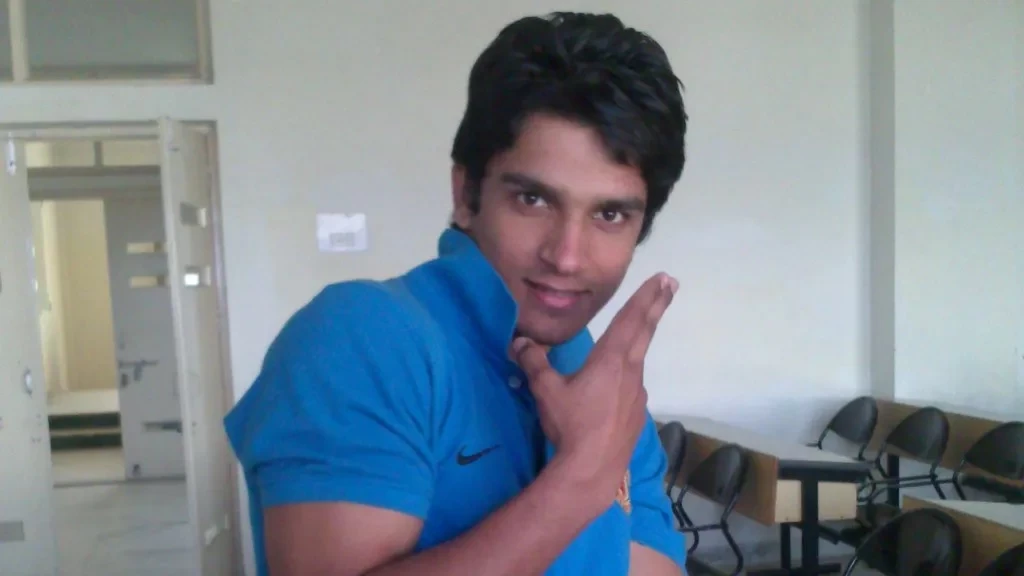
توفي شاب هندي بعد قرار قضائي تاريخي بسحب أجهزة الدعم الحيوي عنه، في واقعة تُعد الأولى من نوعها في الهند التي يتم فيها تطبيق القتل الرحيم السلبي بموافقة المحكمة العليا.
وكان الشاب، هاريش رانا، البالغ من العمر 31 عامًا، قد فارق الحياة أمس (الثلاثاء) داخل مستشفى معهد عموم الهند للعلوم الطبية في نيودلهي، حيث نُقل إلى وحدة الرعاية التلطيفية عقب رفع أجهزة الإبقاء على الحياة عنه، وذلك تنفيذًا لقرار المحكمة العليا التي استجابت لطلب تقدّم به والداه.
وتعود معاناة رانا إلى عام 2013، حين تعرض لإصابة خطيرة في الرأس إثر سقوطه من شرفة بالطابق الرابع، بينما كان طالبًا في كلية الهندسة، ما أدى إلى دخوله في غيبوبة تامة استمرت لسنوات دون تحسن يُذكر.
ولم يكن رانا قد أعد قبل الحادثة ما يُعرف بـ«الوصية الطبية المسبقة» أو «الوصية الحية»، وهي وثيقة قانونية تتيح للأشخاص فوق 18 عامًا تحديد نوع الرعاية الطبية التي يرغبون في تلقيها في حال إصابتهم بمرض عضال أو فقدان القدرة على اتخاذ القرار.
وكانت المحكمة العليا في الهند أقرت في عام 2018 مشروعية القتل الرحيم السلبي، الذي يتمثل في سحب أو وقف وسائل العلاج التي تُبقي المريض على قيد الحياة، شريطة وجود وصية حية أو استيفاء شروط قانونية محددة، وفي المقابل، لا يزال القتل الرحيم النشط، الذي يتضمن تدخلًا مباشرًا لإنهاء الحياة، محظورًا قانونًا.
وبسبب غياب هذه الوصية وعدم قدرة رانا على التعبير عن إرادته نتيجة غيبوبته، لجأ والداه إلى القضاء لطلب الإذن بسحب أجهزة الدعم الحيوي، مشيرين في تصريحات سابقة إلى استنزاف مدخراتهم بالكامل في رعايته، إضافة إلى مخاوفهم بشأن مصيره بعد وفاتهم.
وكانت محكمة دلهي العليا رفضت طلب الأسرة في عام 2024، استنادًا إلى أن رانا لم يكن يعتمد حينها بشكل كامل على أجهزة دعم حيوي، بل كان قادرًا على الاستمرار دون مساعدة خارجية كاملة، بحسب وصف المحكمة، كما رفضت المحكمة العليا الطلب في مرحلة لاحقة.
إلا أن الأسرة عادت في عام 2025 لتقديم التماس جديد، مؤكدة أن حالة نجلهم تدهورت بشكل كبير، وأنه أصبح يعتمد بشكل كلي على أجهزة طبية للبقاء على قيد الحياة.
وبعد تقييم حالته من قبل لجنتين طبيتين مستقلتين، وفقًا للقانون الهندي، خلص التقرير إلى أن فرص تعافيه شبه منعدمة، وأنه يعاني من تلف دائم في الدماغ، ويحتاج إلى دعم خارجي كامل في التغذية ووظائف الجسم الأساسية، فضلًا عن إصابته بتقرحات شديدة نتيجة الرقود الطويل.
وفي 11 مارس، أقرت المحكمة العليا بعدم استجابته للعلاج، وطلبت من الفرق الطبية اتخاذ القرار المناسب وفق التقدير الطبي، ما مهّد الطريق لسحب أجهزة الدعم الحيوي عنه.
وبعد وفاته، أكد محامي الأسرة أن القضية تمثل سابقة قانونية مهمة، مشيرًا إلى وجود العديد من الحالات المشابهة في البلاد، ما قد يعيد فتح النقاش حول تنظيم هذا الملف الإنساني والقانوني.
An Indian young man died after a historic court ruling to withdraw life support devices from him, in an incident considered the first of its kind in India where passive euthanasia is applied with the approval of the Supreme Court.
The young man, Harish Rana, 31 years old, passed away yesterday (Tuesday) inside the All India Institute of Medical Sciences in New Delhi, where he was transferred to the palliative care unit after life support devices were removed, in accordance with the Supreme Court’s decision that responded to a request made by his parents.
Rana’s suffering dates back to 2013, when he sustained a serious head injury after falling from a fourth-floor balcony while he was a student at an engineering college, which resulted in him falling into a complete coma that lasted for years with little improvement.
Rana had not prepared what is known as a “living will” or “advance medical directive” before the incident, which is a legal document that allows individuals over 18 years old to specify the type of medical care they wish to receive in the event of a terminal illness or loss of decision-making capacity.
The Supreme Court of India recognized the legality of passive euthanasia in 2018, which involves the withdrawal or cessation of treatment that keeps a patient alive, provided there is a living will or specific legal conditions are met. In contrast, active euthanasia, which involves direct intervention to end life, remains legally prohibited.
Due to the absence of this directive and Rana’s inability to express his will as a result of his coma, his parents resorted to the courts to seek permission to withdraw life support, indicating in previous statements that they had exhausted their savings entirely in his care, in addition to their concerns about his fate after their deaths.
The Delhi High Court had rejected the family’s request in 2024, based on the fact that Rana was not fully dependent on life support devices at that time, but was capable of continuing without complete external assistance, according to the court’s description. The Supreme Court also rejected the request at a later stage.
However, the family returned in 2025 to submit a new petition, asserting that their son’s condition had significantly deteriorated and that he had become completely dependent on medical devices to survive.
After evaluating his condition by two independent medical committees, according to Indian law, the report concluded that his chances of recovery were nearly nonexistent, that he suffered from permanent brain damage, and that he required full external support for nutrition and basic bodily functions, in addition to suffering from severe bedsores due to prolonged immobility.
On March 11, the Supreme Court acknowledged that he was unresponsive to treatment and requested the medical teams to make an appropriate decision according to medical judgment, paving the way for the withdrawal of life support from him.
After his death, the family’s lawyer confirmed that the case represents an important legal precedent, noting that there are many similar cases in the country, which may reopen the discussion about regulating this humanitarian and legal issue.
للمزيد من المقالات
اضغط هنا
التعليقات