
بين الانتكاسة والانتصار.. 5 سيناريوهات محتملة لنهاية حرب إيران – أخبار السعودية
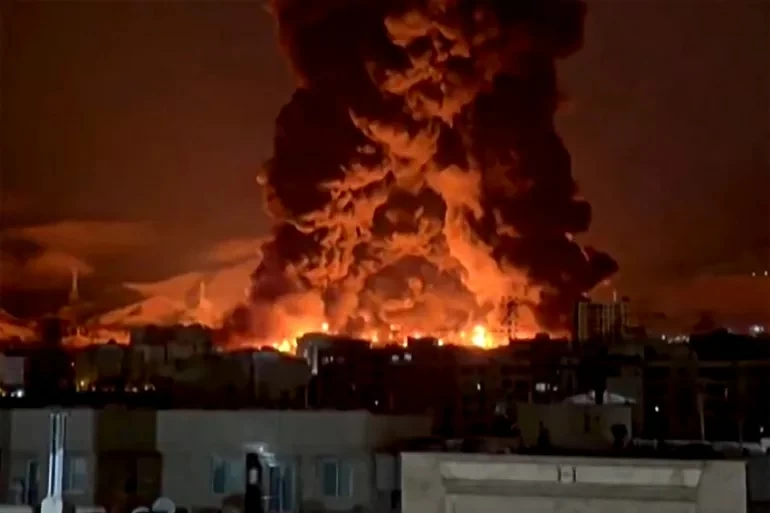
طرحت مجلة «نيوزويك» الأمريكية 5 سيناريوهات محتملة لنهاية الحرب المستعرة حاليا بين أمريكا وإسرائيل من جهة وإيران من جهة أخرى. وحسب تحليل المجلة، فإن نهاية الحرب غير محسومة، وتتراوح بين تسوية محدودة أو جمود طويل، مؤكدة أن العامل الحاسم فيها لن يكون التصريحات، بل المفاوضات التي تتمخض عن اتفاق فعلي أو عودة للصراع.
تضارب الروايات
وذكرت المجلة أن الرئيس الأمريكي دونالد ترمب أعلن، الإثنين، محادثات مع طهران، وألمّح إلى أن الحرب على إيران تقترب من نهايتها، وكشف مفاوضات بين الجانبين أدت إلى قرار بتأجيل ضربات عسكرية كان قد هدد بها لتدمير محطات الطاقة الإيرانية.
إلا أن إيران نفت وجود أي مفاوضات ليستمر بذلك تضارب الروايات، وفي حال تمسكت إيران بموقفها، فإن التحليل يرجح أن يتحول النزاع إلى صراع طويل ومكلف، ما يهدد الاستقرار الاقتصادي العالمي.
السيناريوهات المحتملة
وحددت المجلة السيناريوهات المحتملة لكيفية إنهاء الحرب كالتالي:
أولا، انتكاسة إيران وانتصار ترمب:
يفترض هذا السيناريو أن تقبل إيران بشروط أمريكية قاسية، مثل التخلي عن برنامجها النووي وتسليم اليورانيوم المخصب، مقابل وقف الحرب وتخفيف الضغوط.
ورغم وجود تحركات دبلوماسية وتأجيل ضربات عسكرية، فإن رفض طهران المسبق للتخلي عن التخصيب يجعل هذا السيناريو صعب التحقيق.
وتعتقد المجلة أن قبول إيران لشروط ترمب لن يكون مجرد تغيير في السياسة، بل سيشكل هزيمة إستراتيجية وسياسية كبيرة لها.
ثانيا، مراوغة إيرانية دون حل:
يعتقد هذا السيناريو في ظهور مفاوضات شكلية أو غير مباشرة دون اتفاق حقيقي. فإيران قد تستخدم التأجيل أو خطوات رمزية لتخفيف الضغط، بينما تستمر في مواقفها الأساسية، والنتيجة ستكون استمرار التوتر مع ادعاء كل طرف تحقيق تقدم دون تغيير فعلي.
ويتميز هذا السيناريو بانتشار الروايات المتضاربة، والإشارات المترددة، وانعدام أي اختراق واضح، ولن يكون هناك تغيير يُذكر على أرض الواقع.
ثالثا، تهدئة تدريجية بلا اتفاق:
هذا السيناريو يبدو أنه الأكثر ترجيحا، حيث تتراجع العمليات العسكرية تدريجيا دون اتفاق رسمي. ويتوقع أن تخفض الولايات المتحدة نشاطها العسكري، وإيران ضغطها على طرق الشحن الرئيسية، ويتراجع كلا الجانبين عن التصعيد دون حسم للقضايا الأساسية.
وهنا سيخف التصعيد وتستقر الأسواق نسبيا، لكن القضايا الجوهرية مثل البرنامج النووي الإيراني ستبقى دون حل، ما يعني بقاء جذور الصراع.
رابعا، تصعيد طويل الأمد:
إذا أصرت إيران على موقفها، قد يتحول النزاع إلى مواجهة طويلة ومكلفة.
فاستمرار تهديدها لمضيق هرمز يعني فشلا ذريعا لواشنطن، ما يجعل الأزمة تتجاوز البعد العسكري إلى تهديد الاقتصاد العالمي، فتصبح الأسواق العالمية متقلبة بشكل كبير ويصبح إنهاء الحرب صعبا.
خامسا، انهيار النظام الإيراني:
ويفترض هذا السيناريو حدوث ثورة داخلية نتيجة الضغوط الاقتصادية والحرب. نظريا، يمكن للحرب المستمرة والصدمة الاقتصادية وعدم استقرار القيادة أن تدفع إلى انتفاضة شاملة. لكن ضعف المعارضة وتماسك الأجهزة الأمنية يجعل هذا السيناريو الأقل احتمالا رغم الضغوط الداخلية.
The American magazine “Newsweek” has proposed 5 potential scenarios for the end of the ongoing war between America and Israel on one side and Iran on the other. According to the magazine’s analysis, the end of the war is uncertain, ranging from a limited settlement to a prolonged stalemate, emphasizing that the decisive factor will not be statements, but the negotiations that result in a real agreement or a return to conflict.
Conflicting Narratives
The magazine reported that U.S. President Donald Trump announced on Monday talks with Tehran, hinting that the war on Iran is nearing its end, and revealed negotiations between the two sides that led to a decision to postpone military strikes he had threatened to destroy Iranian power stations.
However, Iran denied the existence of any negotiations, leading to continued conflicting narratives. If Iran maintains its position, the analysis suggests that the dispute could turn into a long and costly conflict, threatening global economic stability.
Potential Scenarios
The magazine outlined the potential scenarios for how the war could end as follows:
First, Iran’s Setback and Trump’s Victory:
This scenario assumes that Iran would accept harsh U.S. conditions, such as abandoning its nuclear program and handing over enriched uranium, in exchange for stopping the war and easing pressures.
Despite diplomatic moves and the postponement of military strikes, Tehran’s prior refusal to abandon enrichment makes this scenario difficult to realize.
The magazine believes that Iran’s acceptance of Trump’s conditions would not merely be a change in policy, but would represent a significant strategic and political defeat for it.
Second, Iranian Evasion Without Resolution:
This scenario envisions the emergence of formal or indirect negotiations without a real agreement. Iran may use delays or symbolic steps to alleviate pressure while maintaining its core positions, resulting in continued tension with each side claiming to make progress without any actual change.
This scenario is characterized by the spread of conflicting narratives, hesitant signals, and a lack of any clear breakthrough, with little to no change on the ground.
Third, Gradual De-escalation Without Agreement:
This scenario appears to be the most likely, where military operations gradually decrease without a formal agreement. The United States is expected to reduce its military activity, and Iran to lessen its pressure on key shipping routes, with both sides stepping back from escalation without resolving core issues.
Here, the escalation will ease and markets will stabilize relatively, but fundamental issues such as the Iranian nuclear program will remain unresolved, meaning the roots of the conflict persist.
Fourth, Long-term Escalation:
If Iran insists on its position, the dispute could turn into a long and costly confrontation.
Continued threats to the Strait of Hormuz would signify a catastrophic failure for Washington, causing the crisis to extend beyond the military dimension to threaten the global economy, making global markets highly volatile and making the end of the war difficult.
Fifth, Collapse of the Iranian Regime:
This scenario assumes an internal revolution due to economic pressures and war. Theoretically, ongoing war, economic shock, and instability in leadership could lead to a widespread uprising. However, the weakness of the opposition and the cohesion of security apparatuses make this scenario the least likely despite internal pressures.
للمزيد من المقالات
اضغط هنا
التعليقات