
بعد شلل هرمز.. خط أنابيب سعودي يحافظ على إمداد العالم بالطاقة – أخبار السعودية
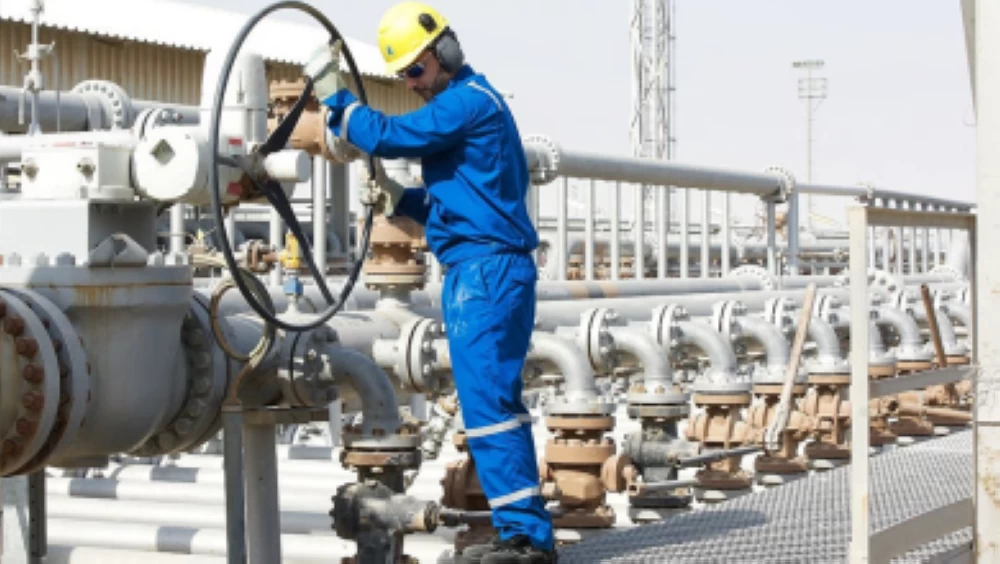
لطالما استعدّت السعودية لأسوأ السيناريوهات على مدى عقود. لذلك، وخلال ساعات من الضربات الأمريكية والإسرائيلية الأولى على إيران، والتي أسفرت فعليًا عن إغلاق مضيق هرمز الحيوي، سارعت أكبر دولة مصدّرة للنفط الخام في العالم إلى تفعيل خطة طوارئ – خطة انتظرت 45 عامًا لتدخل حيّز التنفيذ- بهدف الحفاظ على تدفق نفطها.
عنصر محوري
ويتمثل حجر الأساس في هذه الخطة في خط أنابيب بطول 1200 كيلومتر، تم بناؤه في ثمانينات القرن الماضي، وأصبح اليوم عنصرًا محوريًا في تطورات الصراع بالشرق الأوسط. يمتد خط الأنابيب عبر شبه الجزيرة العربية، انطلاقًا من الحقول النفطية الضخمة في شرق السعودية، وصولًا إلى ميناء ينبع على البحر الأحمر – وهي مدينة صناعية حديثة تتجمع فيها حاليًا أعداد كبيرة من ناقلات النفط لشحن الخام السعودي، مع وصول المزيد من السفن يوميًا.
ووفقًا لبيانات تتبع السفن التي جمعتها بلومبيرغ، بلغت صادرات الخام من ينبع متوسطًا متحركًا لخمسة أيام عند 3.66 مليون برميل يوم الجمعة، أي ما يعادل نحو نصف إجمالي صادرات السعودية قبل اندلاع الحرب.
صمام أمان
يوفر مسار خط الأنابيب صمام أمان حيويًا لتخفيف الضغوط المتصاعدة على إمدادات النفط العالمية، إذ يمر نحو 20 مليون برميل يوميًا – أي خُمس الاستهلاك العالمي – عبر مضيق هرمز في الظروف الطبيعية. ومع انعدام القدرة على التصدير، اضطرت بعض الدول المنتجة إلى خفض إنتاجها. لكن السعودية، التي طالما قدّمت نفسها كعامل استقرار في السوق، تمتلك بديلًا مهمًا.
ضربة إستراتيجية
ويقول جيم كرين، الباحث في دراسات الطاقة بجامعة رايس: «يبدو خط الأنابيب الشرقي-الغربي اليوم وكأنه ضربة استراتيجية بارعة. الاقتصاد العالمي بأكمله يستفيد من تشغيل هذا الخط».
وأضاف: «لولا هذا المسار البديل السلس عن هرمز، لكانت هناك حالة أكبر من اليأس في دعوات ترمب للحصول على دعم الحلفاء»، في إشارة إلى تهديد الرئيس الأمريكي دونالد ترمب لإيران بمنحها مهلة 48 ساعة لفتح المضيق أو مواجهة ضربات تستهدف محطات الطاقة.
وترى كارول نخلة، الرئيسة التنفيذية في إحدى شركات الطاقة، أن مجرد وجود مسار بديل يساعد على تهدئة الأسواق، لأنه يطمئن المشترين بأن صادرات المنطقة ليست محاصرة بالكامل.
Saudi Arabia has long prepared for the worst-case scenarios over the decades. Therefore, within hours of the first American and Israeli strikes on Iran, which effectively resulted in the closure of the vital Strait of Hormuz, the world’s largest exporter of crude oil rushed to activate an emergency plan – a plan that had waited 45 years to be implemented – aimed at maintaining its oil flow.
Key Element
The cornerstone of this plan is a 1,200-kilometer pipeline, built in the 1980s, which has now become a pivotal element in the developments of the conflict in the Middle East. The pipeline runs across the Arabian Peninsula, starting from the vast oil fields in eastern Saudi Arabia, reaching the port of Yanbu on the Red Sea – a modern industrial city where a large number of oil tankers are currently gathering to load Saudi crude, with more ships arriving daily.
According to ship tracking data collected by Bloomberg, crude exports from Yanbu averaged a five-day moving average of 3.66 million barrels on Friday, which is equivalent to about half of Saudi Arabia’s total exports before the outbreak of the war.
Safety Valve
The pipeline route provides a vital safety valve to ease the mounting pressures on global oil supplies, as about 20 million barrels per day – or one-fifth of global consumption – typically pass through the Strait of Hormuz under normal conditions. With the inability to export, some producing countries have been forced to cut their output. However, Saudi Arabia, which has long positioned itself as a stabilizing force in the market, has an important alternative.
Strategic Blow
Jim Krane, an energy studies researcher at Rice University, says: “The East-West pipeline looks like a clever strategic blow today. The entire global economy benefits from the operation of this line.”
He added: “Without this smooth alternative route to Hormuz, there would be a greater sense of desperation in Trump’s calls for support from allies,” referring to U.S. President Donald Trump’s threat to Iran, giving it a 48-hour ultimatum to open the strait or face strikes targeting power stations.
Carol Nakhle, the CEO of an energy company, believes that simply having an alternative route helps to calm the markets, as it reassures buyers that the region’s exports are not completely blocked.
للمزيد من المقالات
اضغط هنا
التعليقات