
ألمانيا: 435 مليون يورو تعويضات لمنتجي الطاقة المتجددة – أخبار السعودية
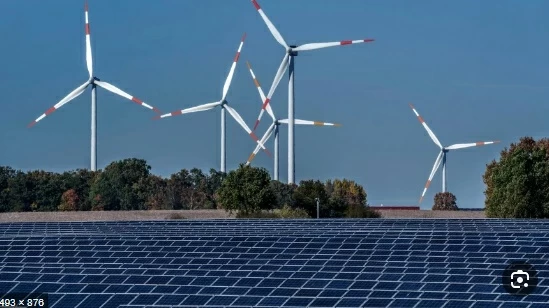
اضطر منتجو طاقة الرياح والطاقة الشمسية في ألمانيا خلال العام الماضي إلى إيقاف منشآتهم مؤقتاً بسبب اختناقات في شبكة الكهرباء، وحصلوا مقابل ذلك على تعويضات بلغت نحو 435 مليون يورو.
ومع ذلك، تراجعت هذه القيمة مقارنة بعام 2024 بنحو 120 مليون يورو، وهو انخفاض مستمر منذ سنوات، حسبما جاء في رد وزارة الاقتصاد الألمانية على طلب إحاطة من النائب البرلماني عن حزب «اليسار» ديتمار بارتش.
قدرات لا تكفي
قدرات خطوط النقل لنقل الكهرباء لا تكفي، خصوصاً في الأيام التي تشهد رياحاً قوية، ما يدفع مشغلي الشبكات إلى تقليص الإنتاج على المستوى الإقليمي عند حدوث اختناقات.
ويتوقف عدد مرات تعويض المنتجين عند منعهم من ضخ الكهرباء على حالة الطقس ومدى تطور شبكة الكهرباء، كما تحدد القيمة الدقيقة للتعويض في كل حالة وفقاً لسعر السوق.
ويعزى ارتفاع التعويضات في مقاطعة بافاريا جزئياً إلى كثرة منشآت الطاقة الشمسية هناك مقابل بطء توسعة شبكة نقل الكهرباء.
فشل النظام
ووصف بارتش ذلك بأنه «فشل في النظام»، مطالباً وزيرة الاقتصاد كاترينا رايشه بالتحرك، وقال: «الحكومة الألمانية مسؤولة عن أعلى أسعار كهرباء في أوروبا، وفي الوقت نفسه يتم إهدار الكهرباء، ويجب أن تنتهي هذه العبثية التي تتحمل تكلفتها شريحة المستهلكين، مشيراً إلى أن هذه التكاليف يدفعها مستخدمو الكهرباء.
ودعا بارتش إلى بداية جديدة بدلاً من «تصحيحات محدودة وإجراءات غير كافية لخفض التكاليف»، وقال: «يجب تسريع توسيع الشبكات وخفض الأسعار، بلد يتصدر العالم في الأسعار يجب أن يحرص على ضخ كل كيلووات/ساعة في الشبكة».
Wind and solar energy producers in Germany had to temporarily shut down their facilities last year due to bottlenecks in the electricity grid, and they received compensation amounting to about 435 million euros for this.
However, this amount has decreased compared to 2024 by about 120 million euros, marking a continuous decline over the years, according to a response from the German Ministry of Economy to an inquiry from parliamentary member Dietmar Bartsch of the “Left” party.
Insufficient Capacities
The transmission lines’ capacity to transport electricity is insufficient, especially on days with strong winds, which leads network operators to reduce production at the regional level when bottlenecks occur.
The number of times producers are compensated for being prevented from injecting electricity depends on the weather conditions and the state of the electricity grid, while the exact compensation amount in each case is determined according to market prices.
The rise in compensation in Bavaria is partly attributed to the abundance of solar energy facilities there compared to the slow expansion of the electricity transmission network.
System Failure
Bartsch described this as a “system failure,” calling on Economy Minister Katrin Göring-Eckardt to take action. He stated, “The German government is responsible for the highest electricity prices in Europe, and at the same time, electricity is being wasted. This absurdity, which consumers bear the cost of, must come to an end,” pointing out that these costs are paid by electricity users.
Bartsch called for a fresh start instead of “limited corrections and inadequate measures to reduce costs,” saying, “The expansion of networks must be accelerated and prices reduced. A country that leads the world in prices must ensure that every kilowatt-hour is injected into the grid.”
للمزيد من المقالات
اضغط هنا
التعليقات