
فتوى «الضرورة النووية» تقلب المعادلة.. هل باتت القنبلة الإيرانية وشيكة؟ – أخبار السعودية
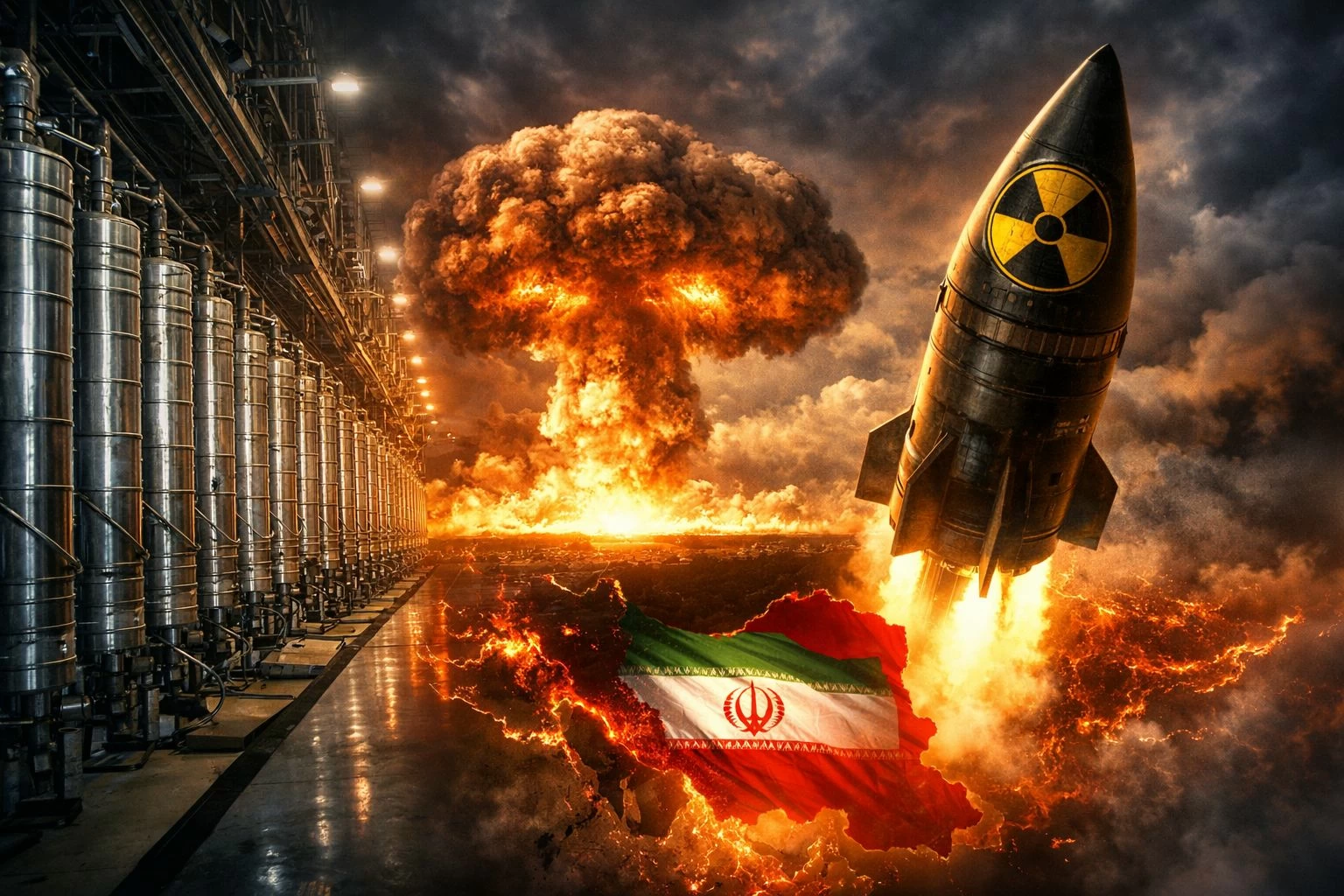
في تحول لافت يعكس ارتدادات الحرب الأخيرة، برز داخل الأوساط الدينية والسياسية في إيران نقاش جديد يمنح السلاح النووي غطاءً شرعياً، في تناقض واضح مع مواقف رسمية سابقة أكدت أن طهران لا تسعى إلى امتلاكه، استناداً إلى فتوى تحرّم أسلحة الدمار الشامل. وبين هذا وذاك، يرى خبراء أن الحرب قد تدفع إيران عملياً نحو تسريع برنامجها النووي بدلاً من كبحه.
فتوى جديدة: «السلاح النووي ضرورة شرعية»
كشفت تقارير إعلامية عن نقاشات يقودها رجال دين بارزون في مدينتي قم ومشهد، تتجه نحو إقرار فتوى تعتبر امتلاك السلاح النووي «ضرورة شرعية» في ظل الحرب الجارية.
وبحسب مصادر مطلعة، فإن هذا الطرح، الذي كان يُناقش بعيداً عن العلن، بدأ يُروَّج له بشكل صريح، بقيادة شخصيات دينية نافذة، في مؤشر على تحوّل في الخطاب الفقهي المرتبط بالأمن القومي الإيراني.
وكان وزير الخارجية الإيراني عباس عراقجي قال في وقت سابق أن الفتوى «مرتبطة بالشخص الذي يصدرها»، موضحاً أنه ليس في موقع يسمح له بالحكم على الرأي الفقهي أو السياسي للقائد الجديد في هذا الملف، في تصريح يفتح الباب أمام احتمالات مراجعة الموقف الفقهي السابق.
وأكد عراقجي في الوقت ذاته أن «العقيدة النووية الإيرانية كانت دائماً سلمية»، مع استمرار التأكيد الرسمي على استخدام الطاقة النووية لأغراض مدنية.
تناقض مع خطاب رسمي سابق
هذا التوجه الجديد يصطدم مباشرة بتصريحات إيرانية متكررة أكدت أن البرنامج النووي ذو طابع سلمي بحت.
فقد شدد الرئيس الإيراني مسعود بزشكيان، قبل اندلاع الحرب، على أن بلاده «لا تسعى مطلقاً إلى تصنيع أسلحة نووية»، مؤكداً أن هذا الموقف يستند إلى «أساس عقائدي وفقهي» وليس مجرد حسابات سياسية.
كما استندت طهران طويلاً إلى فتوى صادرة عن المرشد الإيراني الراحل علي خامنئي في أوائل الألفية، تحرّم أسلحة الدمار الشامل، وتُعدّ — وفق الرواية الرسمية — حكماً فقهياً ثابتاً غير قابل للتغيير.
برنامج متقدم ومخاوف متصاعدة
تمتلك إيران برنامجاً نووياً متطوراً، يشمل تخصيب اليورانيوم بنسب مرتفعة وصلت إلى 60%، في منشآت مثل نطنز وفوردو، وهو مستوى يقرّبها تقنياً من العتبة اللازمة لإنتاج سلاح نووي.
ورغم النفي الإيراني المتكرر، فإن هذه القدرات والفتاوى الجديدة تثير قلقاً دولياً متزايداً، خصوصاً في ظل التحولات الجارية في الخطاب السياسي والديني داخل البلاد.
خبراء: الحرب تُسرّع «الاندفاع النووي»
في المقابل، خلصت تحليلات نشرتها مجلة «ناشونال إنترست» وصحيفة «نيويورك تايمز» إلى أن الحرب الحالية قد تدفع إيران إلى تسريع سعيها لامتلاك السلاح النووي، بدلاً من التخلي عنه.
وذهب خبراء عسكريون إلى أن المواجهة العسكرية قد تعزز لدى طهران قناعة بأن غياب الردع النووي يجعلها أكثر عرضة للهجمات، حتى في حال التزامها بسياسة الغموض النووي.
ويشير الخبراء العسكريون إلى أن هذا الإدراك يعيد ترسيخ منطق الردع، حيث تصبح القنبلة النووية — لا ضبط النفس — الضمان الأهم للأمن، مستشهدين بنماذج دولية أظهرت أن امتلاك السلاح النووي يرفع كلفة الحرب ويحدّ من احتمالاتها.
ويستشهد الخبراء بتجارب دول مثل ليبيا والعراق، حيث أدى غياب الردع النووي إلى تدخلات عسكرية، مقابل كوريا الشمالية التي استطاعت حماية نظامها بفضل ترسانتها النووية. ويؤكد الخبراء أن هذه الأمثلة تُرسّخ داخل الذهنية الإستراتيجية الإيرانية فكرة أن البقاء السياسي قد يتطلب امتلاك السلاح النووي وليس تجنبه.
In a striking shift reflecting the repercussions of the recent war, a new discussion has emerged within religious and political circles in Iran that grants nuclear weapons a religious justification, in clear contrast to previous official positions that asserted Tehran does not seek to possess them, based on a fatwa that prohibits weapons of mass destruction. Amid this, experts believe that the war may practically push Iran to accelerate its nuclear program instead of curbing it.
New Fatwa: “Nuclear Weapons are a Religious Necessity”
Media reports have revealed discussions led by prominent clerics in the cities of Qom and Mashhad, moving towards the issuance of a fatwa that considers the possession of nuclear weapons a “religious necessity” in light of the ongoing war.
According to informed sources, this proposal, which had been discussed away from the public eye, has begun to be promoted explicitly, led by influential religious figures, indicating a shift in the jurisprudential discourse related to Iranian national security.
Iranian Foreign Minister Abbas Araghchi previously stated that the fatwa “is linked to the person who issues it,” clarifying that he is not in a position to judge the jurisprudential or political opinion of the new leader on this issue, a statement that opens the door to the possibility of revising the previous jurisprudential stance.
At the same time, Araghchi confirmed that “Iran’s nuclear doctrine has always been peaceful,” while the official emphasis on using nuclear energy for civilian purposes continues.
Contradiction with Previous Official Discourse
This new direction directly contradicts repeated Iranian statements affirming that the nuclear program is purely peaceful.
Before the outbreak of the war, Iranian President Masoud Bezhakian emphasized that his country “does not seek to manufacture nuclear weapons at all,” asserting that this position is based on “doctrinal and jurisprudential foundations” and not merely political calculations.
Tehran has long relied on a fatwa issued by the late Iranian leader Ali Khamenei in the early millennium, which prohibits weapons of mass destruction, and is considered — according to the official narrative — a fixed jurisprudential ruling that cannot be changed.
Advanced Program and Rising Concerns
Iran possesses an advanced nuclear program, including uranium enrichment at high levels reaching 60% at facilities like Natanz and Fordow, a level that technically brings it closer to the threshold necessary for producing a nuclear weapon.
Despite repeated Iranian denials, these capabilities and the new fatwas raise increasing international concern, especially amid the ongoing transformations in political and religious discourse within the country.
Experts: War Accelerates “Nuclear Drive”
Conversely, analyses published by “National Interest” magazine and “The New York Times” concluded that the current war may push Iran to accelerate its pursuit of nuclear weapons instead of abandoning it.
Military experts suggest that military confrontation may reinforce Tehran’s conviction that the absence of nuclear deterrence makes it more vulnerable to attacks, even if it adheres to a policy of nuclear ambiguity.
Military experts point out that this realization reinforces the logic of deterrence, where the nuclear bomb — not restraint — becomes the most important guarantee of security, citing international models that have shown that possessing nuclear weapons raises the cost of war and limits its likelihood.
Experts cite the experiences of countries like Libya and Iraq, where the absence of nuclear deterrence led to military interventions, in contrast to North Korea, which has managed to protect its regime thanks to its nuclear arsenal. They assert that these examples reinforce within the Iranian strategic mindset the idea that political survival may require possessing nuclear weapons rather than avoiding them.
للمزيد من المقالات
اضغط هنا
التعليقات