
«بيت نصيف».. المشيّد بحجر الكاشور المرجاني المستجلب من البحر – أخبار السعودية
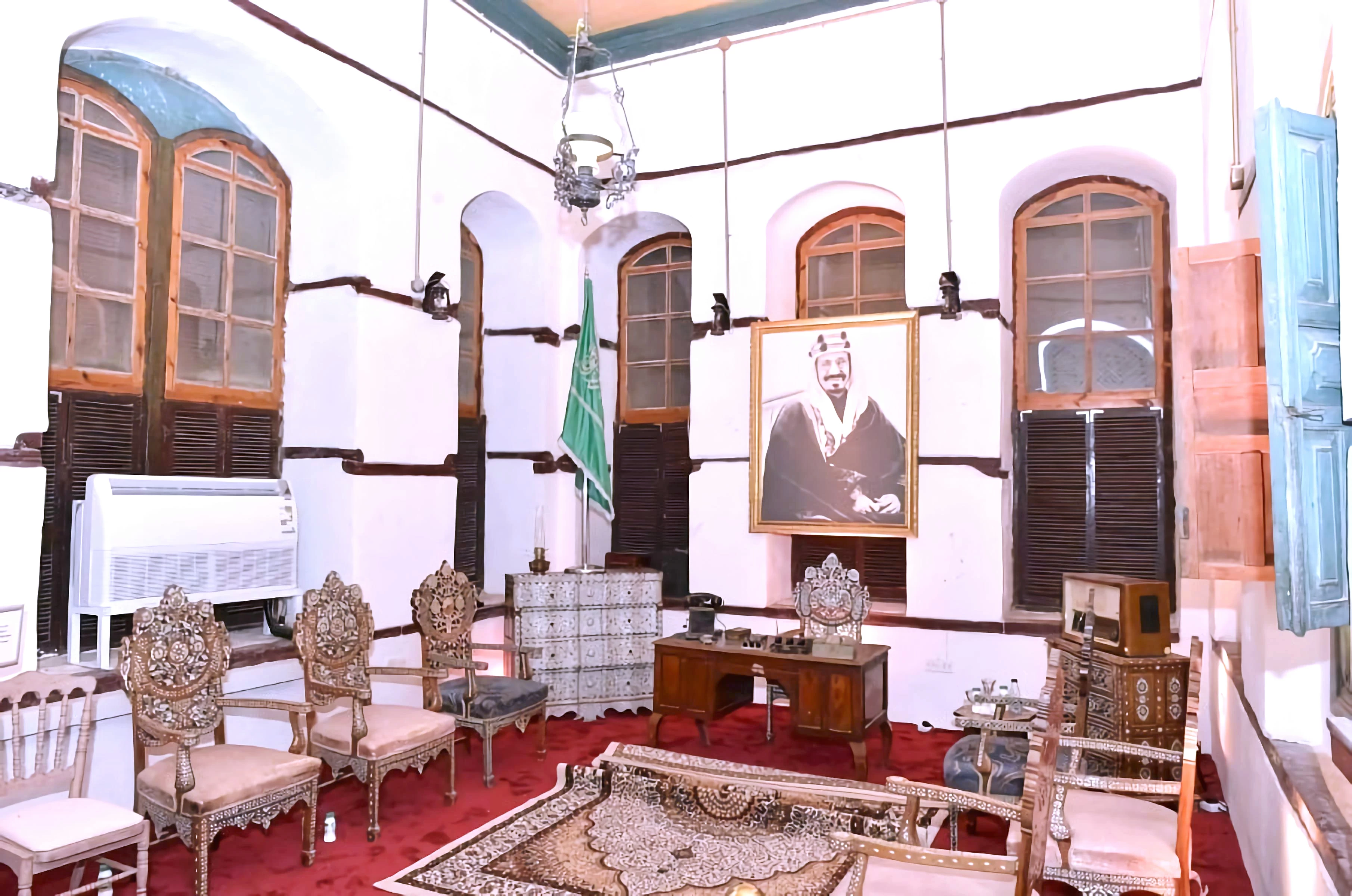
تحمل النقوش والخطوط التي تزين واجهة بيت نصيف من الخارج تاريخاً يمتد إلى أكثر من 156 عاماً، كشاهد على التراث الثقافي والمعماري الذي تزدهر به جدة، إذ شهد البيت أحداثاً تاريخية مهمة، إذ أقام فيه الملك عبدالعزيز بن عبدالرحمن طيب الله ثراه، مؤسس الدولة السعودية الثالثة، عند دخوله محافظة جدة.
ويمتد بيت نصيف على امتداد أربعة طوابق، وبُني عام 1281هـ على مساحة 900 متر مربع، كتحفة معمارية متفردة عن بقية بيوت المحافظة التاريخية، ويتكون من أربعة طوابق، صممت لها سلالم منخفضة يتم الصعود من خلالها إلى مختلف الأدوار دون مشقة.
وضم البيت أكثر من 40 غرفة تختلف مساحاتها من غرفة إلى أخرى، وحمام بخار تسخّن فيه المياه عن طريق الفحم، وفي أسفله صهريج كانت تتجمع فيه مياه الأمطار، ويستخدمه سكان البيت لأغراض الغسيل طوال العام.
شهد العديد من قصور جدة التاريخية التي نزل بها الملك عبدالعزيز بعد دخوله الحجاز في الأربعينيات الهجرية، العديد من الاتفاقيات المهمة للبلاد خلال السنوات التي أقام فيها؛ منها اتفاقية الامتياز للتنقيب عن البترول في المملكة مع إحدى الشركات النفطية الأمريكية.
وأقام الملك عبدالعزيز في بيت نصيف بمحافظة جدة عام 1344هـ، وكان يستقبل في القاعة الكبيرة كبار ضيوف الدولة ويجلس فيها لسماع مطالب المواطنين.
واكتسب بيت نصيف الكثير من الأهمية العمرانية، كونه يعد أول البيوت التي تم إنشاؤها في الحجاز على الطراز العثماني، على عكس البيوت الأقدم عمراً منه، فاحتفظ بتماسكه ورونقه وقوته.
كما تميز بفراغات الغرف الواسعة والأسقف العالية والرواشين والمشربيات الفارهة التي ساهمت في انسياب كبير للضوء والظل والهواء، فضلاً عن أن درج السلم بُني بطريقة تتيح للجمال والأحصنة الصعود إلى سطح المنزل.
وتمت الاستعانة في بنائه بعمال مهرة، وتميز بطلته البهية، واستُخدم في بنائه حجر الكاشور أو المنقب الجيري كمادة أساسية في البناء، وهو الحجر الجيري المرجاني الذي يُجلب من شاطئ البحر الأحمر، ويحافظ على المنزل من البرودة والحرارة ويمتص رطوبة الجو، ويستخدَم معه بياض المصيص الجيري ليمنع تآكل الحجر الجيري.
The inscriptions and lines that adorn the exterior of the Naseef House carry a history that extends over 156 years, serving as a testament to the cultural and architectural heritage that flourishes in Jeddah. The house has witnessed significant historical events, as it was where King Abdulaziz bin Abdulrahman, may God have mercy on him, the founder of the Third Saudi State, resided upon entering the province of Jeddah.
The Naseef House spans four floors and was built in 1281 AH on an area of 900 square meters, as a unique architectural masterpiece compared to other historical houses in the province. It consists of four floors, designed with low stairs that allow easy access to the various levels.
The house includes more than 40 rooms, varying in size from one to another, and a steam bath where water is heated using coal. At its base, there is a cistern that collects rainwater, which the residents of the house use for washing throughout the year.
Many of the historical palaces in Jeddah, where King Abdulaziz stayed after entering Hijaz in the 1940s AH, witnessed numerous important agreements for the country during the years he resided there, including the concession agreement for oil exploration in the Kingdom with an American oil company.
King Abdulaziz resided in the Naseef House in Jeddah in 1344 AH, where he received high-ranking state guests in the large hall and sat there to listen to the citizens’ demands.
The Naseef House gained significant architectural importance, being considered one of the first houses built in Hijaz in the Ottoman style, unlike older houses, as it has maintained its cohesion, elegance, and strength.
It is also characterized by spacious room layouts, high ceilings, and luxurious rawashin and mashrabiyas that contribute to a great flow of light, shade, and air. Furthermore, the staircase was built in a way that allows camels and horses to ascend to the roof of the house.
Skilled workers were employed in its construction, and it is distinguished by its splendid appearance. The building utilized kashour stone or limestone as the primary construction material, which is coral limestone brought from the Red Sea coast. This stone helps keep the house insulated from cold and heat and absorbs humidity from the air, and it is used with white lime plaster to prevent the limestone from eroding.
للمزيد من المقالات
اضغط هنا
التعليقات